Understanding Total Knee Replacement
Total knee replacement is one of the most common and effective surgical procedures for people suffering from severe knee pain and mobility issues. It involves replacing the damaged parts of the knee joint with artificial components designed to mimic the function of a healthy knee. This procedure is typically recommended when other treatments such as medication, injections, or physical therapy no longer relieve pain. Most patients undergo total knee replacement due to conditions like osteoarthritis, rheumatoid arthritis, or traumatic injury. Over the years, medical technology has significantly improved this surgery, making it safer, less invasive, and with quicker recovery times. Modern prosthetic implants are designed for longevity and allow patients to regain strength and mobility that chronic pain once took away. For many, this procedure marks the beginning of a more active and pain-free lifestyle.
Signs You Might Need a Total Knee Replacement
Recognizing when it’s time to consider total knee replacement is crucial for improving quality of life. Persistent pain that interferes with daily tasks such as walking, climbing stairs, or standing for long periods is a common signal. Stiffness and swelling that do not respond to rest or medication can also indicate severe joint damage. If simple activities like bending your knee or getting up from a chair become increasingly difficult, it might be time to seek an orthopedic evaluation. Many patients try conservative treatments first, but when these fail to bring relief, surgery becomes the most effective option. Consulting with a skilled orthopedic specialist ensures that all factors—age, activity level, and joint condition—are considered. Being proactive about seeking help can prevent further joint damage and help patients return to a more functional lifestyle.
Preparing for a Total Knee Replacement
Preparation plays a vital role in the success of total knee replacement surgery. Before the procedure, patients usually undergo a full medical assessment to ensure they are healthy enough for surgery. Doctors may recommend exercises to strengthen the muscles around the knee and improve flexibility before the operation. Adjusting your home environment can also make recovery smoother—placing supportive chairs, installing grab bars, and creating clutter-free spaces all help with mobility after surgery. It’s equally important to discuss anesthesia options and postoperative expectations with your surgeon. Patients should also prepare a list of questions to clarify any concerns such as recovery time, pain management, and physical therapy. Understanding what will happen during and after surgery helps reduce anxiety and sets realistic expectations.
The Surgical Process Explained
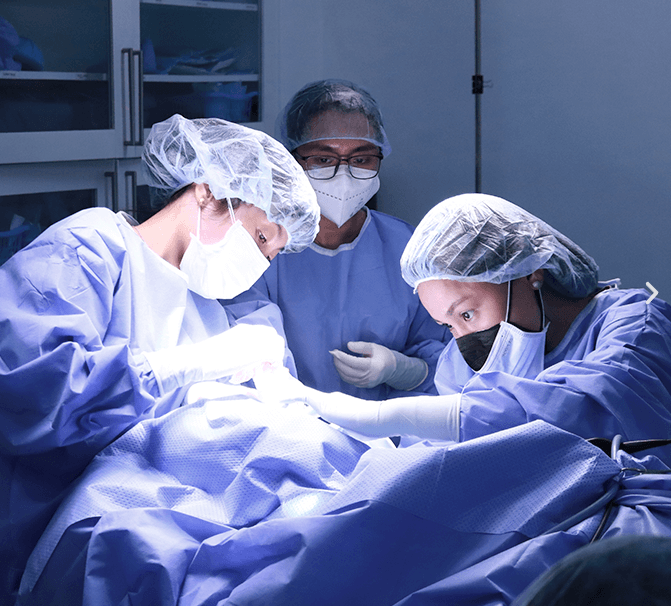
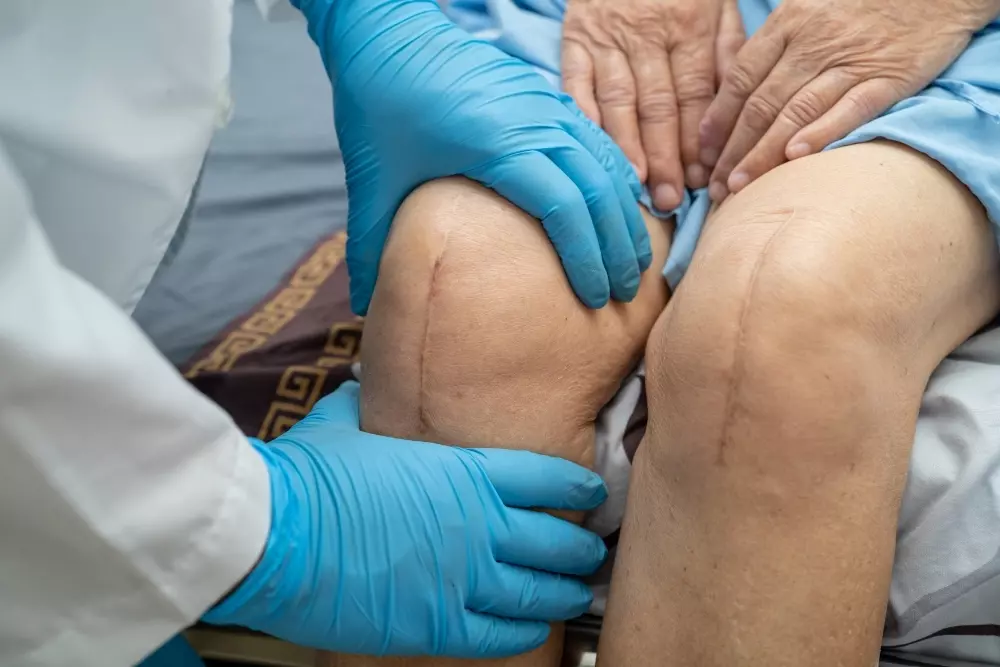
Total knee replacement surgery typically takes one to two hours and is performed under either general or spinal anesthesia. The surgeon makes an incision to access the knee joint, removes damaged bone and cartilage, and replaces them with metal and plastic components that form the artificial joint. These implants are designed to replicate the natural movement of the knee. The precision and skill involved in this process are vital to ensure proper alignment and stability. Once the prosthetic components are in place, the incision is closed, and the patient is moved to recovery. Thanks to modern advancements, many hospitals now offer minimally invasive procedures that reduce scarring and promote faster healing. While it may sound complex, this surgery has a very high success rate, and most patients experience dramatic improvements in pain relief and mobility within weeks.
Recovery and Rehabilitation: Regaining Strength and Mobility
Recovery after total knee replacement requires patience, commitment, and a structured rehabilitation plan. Patients usually stay in the hospital for a few days and start moving their new knee as soon as possible under supervision. Physical therapy begins almost immediately to help restore movement and prevent stiffness. Pain management is another essential part of recovery, involving medication and cold therapy to reduce discomfort and swelling. During the first few weeks, patients work closely with physical therapists to strengthen leg muscles and improve range of motion. Following doctor’s orders and practicing daily exercises are key to regaining independence.
Some helpful recovery practices include:
- Performing gentle stretching and strengthening exercises regularly
- Using mobility aids such as walkers or crutches until balance improves
- Applying ice packs to control swelling
- Wearing compression stockings to prevent blood clots
- Keeping follow-up appointments with your surgeon
Over time, most individuals regain full function and are able to walk comfortably, climb stairs, and resume normal activities. The goal is not just to walk again but to move with confidence and stability.
Potential Risks and Complications to Know
Like all surgical procedures, total knee replacement carries potential risks that patients should be aware of. The most common minor side effects include temporary swelling, bruising, and stiffness around the knee. More serious complications—though rare—may include infection, blood clots, or loosening of the implant. Early detection and prompt treatment can prevent these issues from worsening. Surgeons take extensive precautions to minimize risks, including using antibiotics and ensuring sterile surgical environments. Patients can further reduce complications by following medical advice closely, avoiding smoking, and maintaining a healthy weight. Regular post-operative checkups help ensure the implant functions properly. Being informed about possible risks empowers patients to take active roles in their recovery and long-term health management.
Advances in Total Knee Replacement Technology
Recent innovations have made total knee replacement safer and more effective than ever before. Minimally invasive techniques now allow surgeons to perform the procedure with smaller incisions, leading to less pain and faster recovery. Robotic-assisted systems are revolutionizing the precision of implant placement, ensuring a more natural fit and alignment. Advanced imaging technology helps surgeons customize implants based on each patient’s anatomy. Modern prosthetic materials, such as titanium and high-grade plastics, provide better durability and longevity. Some hospitals even use patient-specific 3D models to plan the surgery with remarkable accuracy. These advances not only improve surgical outcomes but also reduce rehabilitation time and enhance long-term satisfaction among patients.
Cost Considerations and Insurance Coverage
Understanding the financial side of total knee replacement helps patients plan better. Costs can vary widely depending on the hospital, the surgeon’s expertise, and the type of implant used. On average, the price includes expenses for anesthesia, surgery, hospital stay, and post-operative care. Fortunately, most health insurance plans cover a large portion of the procedure when medically necessary. Patients should check with their insurance provider to understand their coverage limits and out-of-pocket expenses. Some hospitals offer financial assistance or payment plans for those without insurance. Considering the lasting benefits—a pain-free and more active life—many patients view total knee replacement as a worthwhile investment in long-term health and mobility.
Living a Full Life After Total Knee Replacement
Once recovery is complete, patients can look forward to a renewed sense of freedom and comfort. It’s essential to protect the new joint by maintaining a healthy weight and staying active with low-impact exercises. Activities such as swimming, cycling, or yoga are excellent for keeping the knee flexible and strong. Most artificial knees last between 15 to 20 years, though proper care can extend their lifespan. Avoiding high-impact sports and heavy lifting can help prevent premature wear on the implant. Many individuals report a dramatic improvement in their ability to perform everyday activities without pain. This transformation not only restores physical function but also enhances confidence and quality of life.
Frequently Asked Questions (FAQ)
How long does it take to fully recover from total knee replacement?
Full recovery typically takes three to six months, depending on individual health and commitment to physical therapy.
Can both knees be replaced at the same time?
Yes, bilateral knee replacement is possible, though it requires a longer recovery period and is generally recommended for healthy individuals.
What activities should be avoided after surgery?
Patients should avoid high-impact activities such as running or jumping, as these can damage the implant.
How painful is recovery, and how is pain managed?
Pain is managed with prescribed medications, ice therapy, and physical rehabilitation. The discomfort lessens gradually as healing progresses.
Are there age limits or health restrictions for this surgery?
There is no strict age limit, but overall health, bone quality, and medical history are important factors in determining eligibility.
Takeaway
Total knee replacement offers a life-changing solution for those living with chronic knee pain and limited mobility. With advancements in technology, improved surgical precision, and effective rehabilitation methods, patients can look forward to faster recovery and lasting comfort. Taking an active role in preparation, recovery, and lifestyle adjustments ensures long-term success and satisfaction. Whether you’re considering surgery for yourself or helping a loved one prepare, understanding the process empowers you to make confident, informed decisions that lead to a healthier, more active future.