Understanding Wound Debridement and Its Role in Healing
Wound debridement plays a crucial part in restoring damaged skin by removing dead tissue that slows down the healing process. When a wound contains debris or unhealthy tissue, the body struggles to repair itself, which may lead to infection or prolonged discomfort. In the Philippines, this procedure is becoming more recognized as people learn the importance of proper wound care, especially for those with chronic illnesses. Many individuals assume that simple cleaning is enough, but wound debridement is a more advanced, medically guided process. It aims to create a clean and healthy wound bed where new tissue can grow effectively. Through appropriate debridement, the risk of complications becomes significantly lower. Understanding how this process works empowers patients to seek timely care and avoid worsening wound conditions.
Why Wound Debridement Matters for Patients in the Philippines
Wound Debridement Philippines has become increasingly vital as chronic wounds become more common due to diabetes, vascular diseases, and lifestyle-related risks. Warm and humid weather in many parts of the country can also promote bacterial growth, making open wounds more susceptible to infection. For patients in rural communities, access to modern wound care may still be limited, highlighting the need for awareness. Proper wound debridement prevents harmful bacteria from spreading within the wound and surrounding tissues. This procedure also helps reduce pain over time because a clean wound tends to heal more comfortably. Delaying care often results in longer recovery and higher expenses, which can be avoided with early attention. Filipinos who understand the value of timely wound care are more likely to experience safer and faster healing.
Types of Wound Debridement Procedures Available in the Philippines
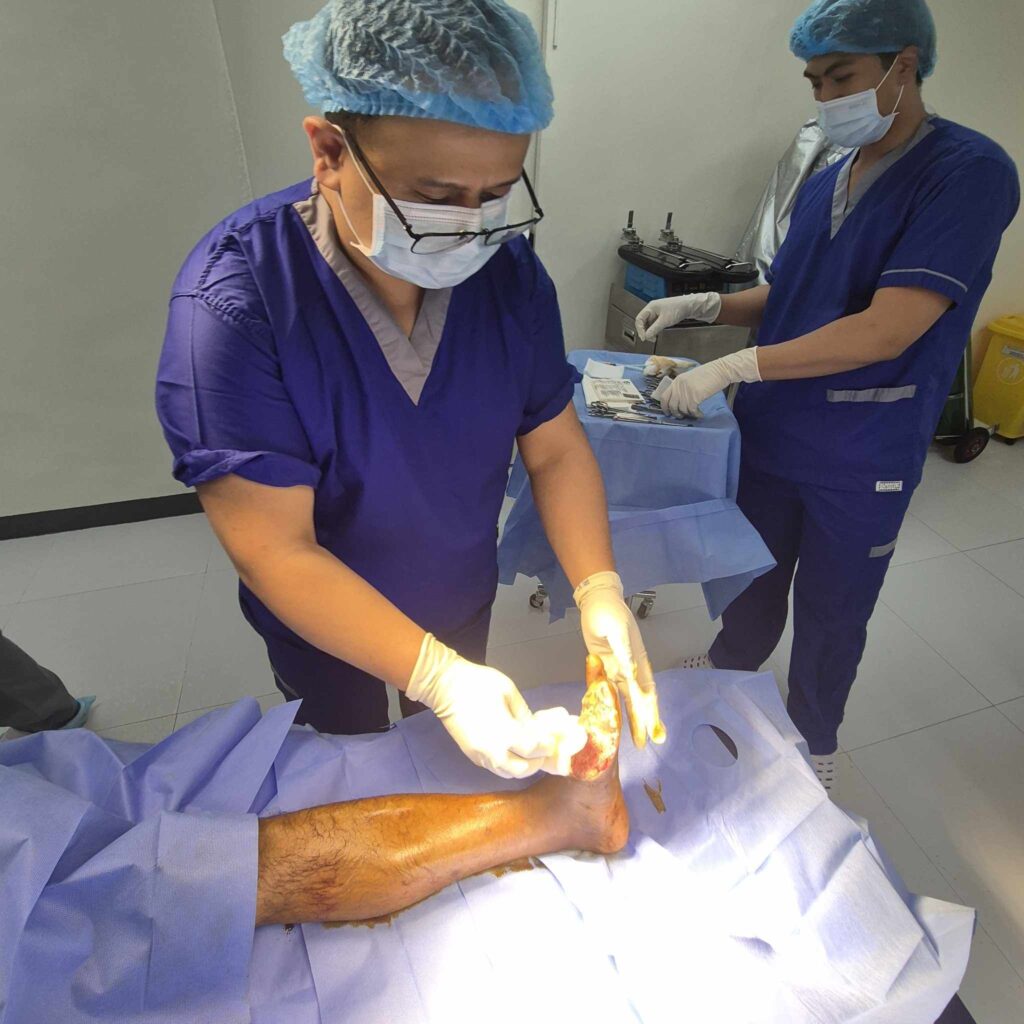
Several forms of wound debridement are performed across clinics offering Wound Debridement Philippines, each suited for specific wound conditions. Mechanical debridement uses physical methods like irrigation or specialized dressings to remove debris, making it ideal for moderate wounds. Autolytic debridement helps the body naturally break down dead tissue using moisture-retentive dressings. Enzymatic debridement uses topical agents to dissolve dead tissue and is often suitable for patients unable to undergo more aggressive methods. Surgical or sharp debridement is performed by trained specialists and is the quickest way to clear extensive or severely damaged tissue. Biological debridement, which uses sterile medical-grade maggots, is rare but effective in severe cases. Each method aims to promote proper healing while minimizing discomfort and risks.
Common Techniques Used
- Mechanical debridement
- Autolytic debridement
- Enzymatic debridement
- Surgical or sharp debridement
- Biological debridement
Who Needs Wound Debridement? Conditions Commonly Treated
Wound debridement is often recommended for those struggling with wounds that fail to heal within expected timeframes. Diabetic foot ulcers in the Philippines are a major reason people seek this treatment, as they tend to worsen rapidly without proper care. Pressure sores are another common condition, especially among elderly individuals or patients who remain bedridden for long periods. Vascular ulcers caused by poor blood flow also benefit greatly from debridement, allowing fresh tissue to develop. Severe burns and accidental injuries sometimes require the removal of dead layers to prevent infection. Post-surgical wounds that remain open or infected may also need this procedure to restart the healing process. When a wound emits odor, turns dark, or produces excess discharge, these may be signs that professional debridement is needed.
Where to Get Wound Debridement in the Philippines
Wide access to Wound Debridement Philippines can be found in hospitals, specialized wound care centers, and clinics that focus on chronic wound management. Many urban hospitals now have dedicated wound care units staffed by trained nurses, surgeons, and wound care specialists. These facilities are equipped with modern tools and sterile environments that help ensure safe procedures. Outpatient wound care services have also become increasingly common, providing convenient care for those who do not require hospital admission. Some clinics offer specialized dressings and advanced treatment technologies that support faster healing. Patients visiting these centers usually undergo thorough assessments to determine the most suitable debridement method. Knowing where to seek care helps patients feel more confident and prepared.
The Procedure Experience: What Patients Should Expect
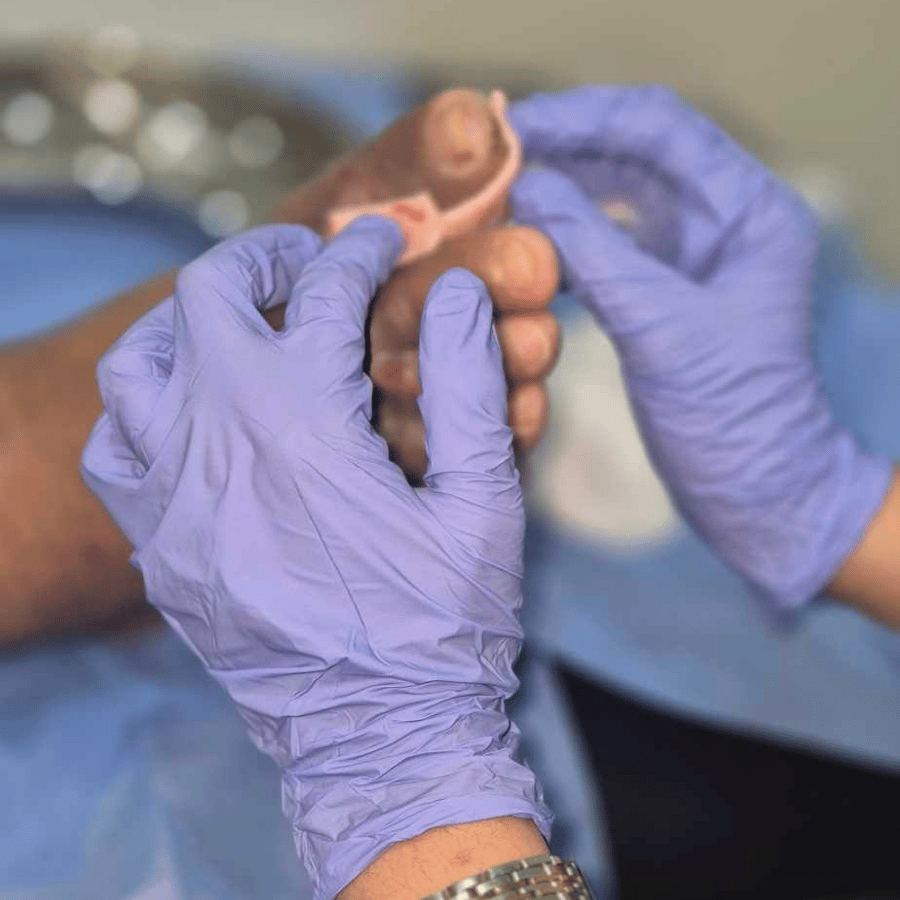
Patients undergoing Wound Debridement Philippines can expect a careful evaluation before treatment begins. During the assessment, specialists examine the wound’s size, depth, tissue appearance, and signs of infection. Pain management options are explained so patients feel as comfortable as possible during the procedure. Depending on the method required, the specialist may use tools, dressings, or medications designed to remove unhealthy tissue. The process may vary in length, but each step is performed with precision to protect healthy tissue. After debridement, patients are given instructions on caring for the wound and preventing complications. Follow-up visits are essential for monitoring healing progress and adjusting treatment if necessary.
Costs of Wound Debridement in the Philippines
Costs for Wound Debridement Philippines vary widely based on the facility, technique used, and severity of the wound. Surgical or sharp debridement usually costs more due to the involvement of a specialist and sterile operating conditions. Less intensive methods such as autolytic or enzymatic debridement may be more affordable but may require several sessions. Some government hospitals may offer subsidized wound care, which helps ease financial burdens for low-income patients. The frequency of follow-ups, dressing changes, and additional medications also influence total expenses. Understanding the pricing structure allows patients and families to plan accordingly. Even though wound care may require investment, timely treatment often prevents larger medical costs later.
Benefits of Professional Wound Debridement
Patients who undergo professional wound debridement often experience faster healing thanks to the removal of barriers that hinder tissue repair. When a wound is clean and free from dead tissue, new skin can regenerate more effectively. This reduces the chances of infection, which is essential in regions with hot climates. Another advantage is the decreased risk of long-term complications such as gangrene or amputation, especially for diabetic patients. Professional debridement also helps minimize scarring when paired with proper aftercare. Many individuals feel more comfortable and confident knowing their wounds are professionally monitored. Overall, wound debridement promotes better health, comfort, and long-term mobility.
Tips for Choosing a Trusted Wound Care Provider
Selecting the right clinic or specialist for Wound Debridement Philippines ensures a safe and efficient healing journey. It is important to look for healthcare providers with proper certifications in wound management. Facilities that maintain clean, organized, and well-equipped treatment rooms tend to offer better care. Reading patient reviews or getting recommendations can provide insights into the quality of service. Asking questions about available debridement methods helps patients make informed choices. Clinics that offer thorough assessments and personalized care often deliver the best outcomes. Patients should feel comfortable discussing their concerns and expectations with the provider.
Home Care Guidelines After Wound Debridement
Caring for the wound properly at home plays a major role in ensuring treatment success. Patients are advised to change dressings as instructed to maintain a clean and moist healing environment. Good hygiene practices reduce the risk of infection and promote faster recovery. Monitoring the wound daily helps identify any unusual changes such as redness, swelling, or increased pain. Eating nutritious food supports tissue repair by providing essential vitamins and nutrients. Avoiding activities that strain or irritate the wound area prevents delays in healing. Patients should return to the clinic for follow-ups whenever recommended by their provider.
Frequently Asked Questions
How long does wound debridement take?
The duration depends on the technique used and the wound’s condition, but most sessions are carefully performed to ensure patient comfort and safety.
Is the procedure painful?
Pain levels vary, but specialists provide anesthesia or pain relief options to keep patients comfortable.
How many sessions are typically needed?
Some wounds may heal after one session, while others require regular appointments for optimal results.
Can wound debridement be done at home?
This is not recommended, as improper handling can worsen the wound or lead to infection.
What happens if a wound isn’t debrided?
Dead tissue may accumulate, leading to infection, delayed healing, or severe complications.
Takeaway
Wound Debridement Philippines is an essential part of modern wound care, helping patients recover faster and more safely by removing unhealthy tissue that blocks healing. With proper guidance from skilled specialists and consistent home care, individuals can significantly improve their recovery outcomes. Understanding available options, knowing where to seek care, and recognizing when a wound needs professional attention empowers patients to make informed decisions.