
Drooping eyelids can affect both appearance and vision, making daily activities such as reading, driving, or working on a computer more challenging. Ptosis, also known as blepharoptosis, occurs when the upper eyelid sags lower than normal due to muscle weakness, nerve issues, or age-related changes. For individuals experiencing these concerns, Ptosis Repair in Manila offers a reliable solution that restores both function and confidence.
Patients seeking safe and effective Ptosis Repair in Manila often turn to The Specialists Surgery & Cancer Center, widely recognized for its expertise, patient-focused care, and advanced surgical techniques. Understanding the causes, treatment options, and recovery process can help patients make informed decisions about their eye health.
What Is Ptosis?
Ptosis refers to the drooping of the upper eyelid, which may affect one or both eyes. While some people experience mild sagging that is barely noticeable, others develop severe drooping that obstructs their vision. Ptosis differs from excess eyelid skin, as it specifically involves weakness or dysfunction of the levator muscle, the muscle responsible for lifting the eyelid.
Common symptoms include a heavy eyelid sensation, eyebrow strain from constantly lifting the brows, forehead discomfort, and difficulty keeping the eyes fully open. In moderate to severe cases, the upper visual field may become partially blocked.
Ptosis Repair in Manila addresses these functional concerns by correcting the underlying muscle problem rather than simply removing excess skin.
Causes of Age-Related Ptosis
Aging remains one of the most common causes of ptosis. Over time, the levator muscle may stretch or thin, reducing its ability to properly elevate the eyelid. Skin elasticity also decreases with age, contributing to a droopy appearance.
Long-term contact lens use can gradually weaken eyelid structures. Previous eye surgeries may also contribute to muscle changes that result in ptosis.
Many older adults seek Ptosis Repair in Manila to regain clearer vision and a more alert look. At The Specialists Surgery & Cancer Center, comprehensive evaluations determine whether age-related muscle weakness is the primary cause and guide the most appropriate treatment plan.
Medical Conditions That Cause Ptosis
Certain medical conditions can also lead to ptosis. Neuromuscular disorders such as Myasthenia gravis can cause fluctuating eyelid drooping due to muscle fatigue. Another condition, Horner’s syndrome, may result from nerve pathway disruption and present with mild ptosis along with other eye-related symptoms.
Trauma, nerve damage, tumors, and congenital conditions may also contribute to eyelid drooping. Children born with congenital ptosis often require early evaluation to prevent vision development issues.
Accurate diagnosis is essential before undergoing Ptosis Repair in Manila. The Specialists Surgery & Cancer Center performs detailed assessments to identify underlying medical causes and ensure that surgery is appropriate and safe.
When Is Ptosis Repair Necessary?
Ptosis repair becomes necessary when drooping eyelids interfere with vision or cause chronic strain. Functional ptosis can obstruct the upper field of vision, making daily tasks difficult. Some patients develop tension headaches from repeatedly lifting their eyebrows to compensate.
Cosmetic concerns may also motivate individuals to explore Ptosis Repair in Manila. Sagging eyelids can create a tired or aged appearance even when a person feels energetic and healthy.
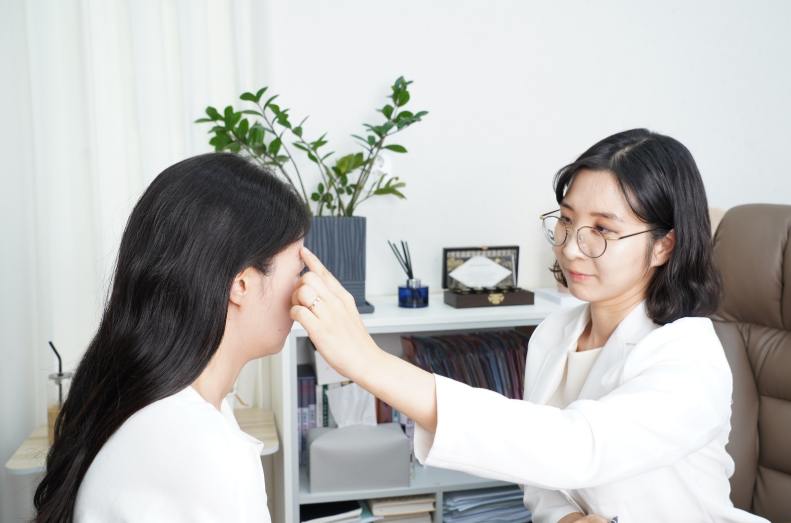
A consultation at The Specialists Surgery & Cancer Center helps determine whether ptosis repair is medically indicated or primarily aesthetic. In many cases, functional improvement accompanies cosmetic enhancement.
Types of Ptosis Repair Procedures
Levator Muscle Advancement
Levator muscle advancement is one of the most common techniques used in Ptosis Repair in Manila. This procedure tightens or repositions the levator muscle to improve eyelid elevation. It is often recommended for patients with mild to moderate muscle weakness.
The surgery is precise and tailored to the patient’s anatomy, ensuring balanced and natural-looking results.
Frontalis Sling Procedure
For individuals with severe levator muscle weakness, a frontalis sling procedure may be recommended. This technique connects the eyelid to the forehead muscle, allowing the forehead to assist in lifting the eyelid.
Patients who undergo Ptosis Repair in Manila using this method often experience significant functional improvement, especially when other muscles cannot effectively lift the eyelid.
Combination Procedures
Some patients benefit from combining ptosis repair with blepharoplasty to address both muscle weakness and excess skin. A customized approach ensures optimal functional and aesthetic results.
The Specialists Surgery & Cancer Center develops individualized treatment plans based on each patient’s specific needs.
What to Expect During Ptosis Surgery
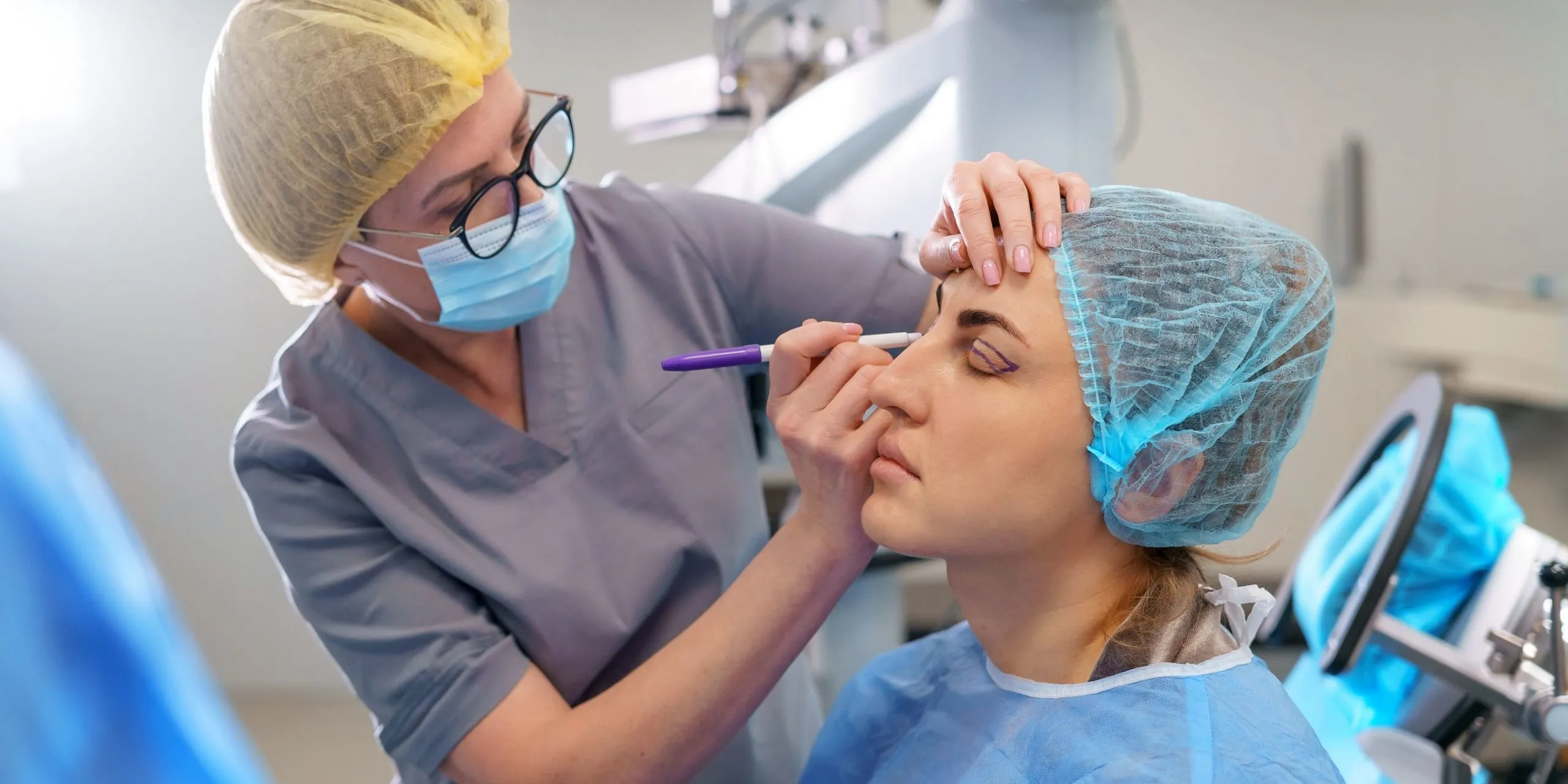
Ptosis Repair in Manila typically begins with a detailed consultation and eye examination. Measurements are taken to assess eyelid position, muscle strength, and visual field obstruction.
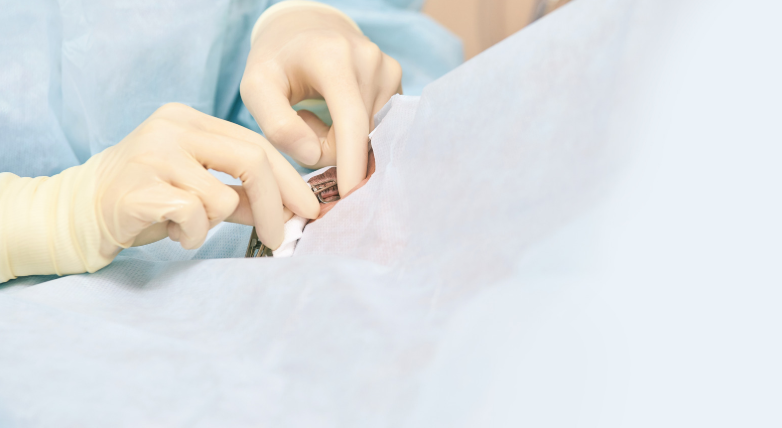
The procedure is usually performed under local anesthesia with sedation or general anesthesia, depending on the case. Most surgeries are completed on an outpatient basis, allowing patients to return home the same day.
Surgical time varies but often takes one to two hours. Precision is critical to achieving symmetry and proper eyelid height.
Recovery After Ptosis Repair
Recovery after Ptosis Repair in Manila generally involves mild swelling and bruising for one to two weeks. Cold compresses and prescribed medications help minimize discomfort.
Patients are advised to avoid strenuous activities during the initial healing period. Most individuals can return to work within one to two weeks, depending on their recovery progress.
The Specialists Surgery & Cancer Center provides clear post-operative instructions and follow-up appointments to monitor healing and ensure optimal results.
Risks and Potential Complications
Like any surgical procedure, ptosis repair carries potential risks. Temporary dry eyes, asymmetry, under-correction, over-correction, and infection are possible but uncommon when performed by experienced specialists.
Choosing a trusted facility for Ptosis Repair in Manila significantly reduces these risks. The Specialists Surgery & Cancer Center prioritizes patient safety, careful surgical planning, and meticulous technique.
Benefits of Ptosis Repair
Patients who undergo Ptosis Repair in Manila often report noticeable improvements in their quality of life. Benefits include:
- Expanded field of vision
- Reduced eye and forehead strain
- Improved symmetry
- A refreshed, alert appearance
Functional enhancement often translates into greater comfort during daily activities and renewed self-confidence.
Frequently Asked Questions
Is ptosis repair covered by insurance?
Insurance coverage may apply if ptosis obstructs vision and meets medical necessity criteria. A comprehensive evaluation at The Specialists Surgery & Cancer Center can help determine eligibility.
How long do results last?
Results from Ptosis Repair in Manila are typically long-lasting. While natural aging continues, properly performed surgery can provide many years of improvement.
Can ptosis return after surgery?
Recurrence is uncommon but possible, particularly if underlying medical conditions affect muscle strength. Regular follow-ups help monitor long-term outcomes.
What is the difference between ptosis repair and blepharoplasty?
Ptosis repair corrects muscle weakness that causes eyelid drooping. Blepharoplasty removes excess skin or fat. Some patients may require both procedures for optimal results.
At what age should ptosis be treated?
Treatment depends on severity rather than age. Adults with functional impairment should seek evaluation promptly. Children with congenital ptosis may require early intervention to prevent vision problems.