Proper foot and wound care is essential for elderly and diabetic patients, as these groups are more susceptible to complications such as infections, slow healing, and mobility issues. Neglecting foot health can lead to serious conditions like foot ulcers, gangrene, or even amputation. Kalingap Wound Care offers professional services designed to help patients maintain optimal foot health and ensure timely treatment of wounds.
Why Foot and Wound Care is Critical for Elderly and Diabetic Patients
Aging and diabetes affect circulation, skin strength, and the body’s ability to heal wounds. For elderly patients, reduced mobility and thinner skin increase the risk of injuries and infections. Diabetic patients often suffer from neuropathy, which diminishes sensation in the feet and can prevent them from noticing injuries until they become severe. Foot and wound care is therefore vital to prevent complications that could seriously affect quality of life. Engaging professionals like Kalingap Wound Care ensures proper assessment and treatment to maintain foot health.
Common Foot Problems in Elderly and Diabetic Patients
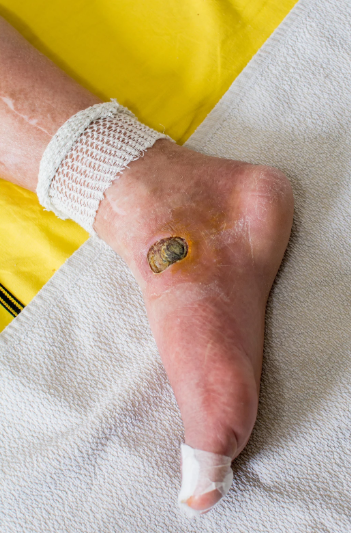
Elderly and diabetic patients are prone to several foot problems. Dry and cracked skin, corns, calluses, and fungal infections such as athlete’s foot or nail fungus are common. Neuropathy may lead to a loss of sensation, causing patients to overlook injuries. Foot ulcers and slow-healing wounds can develop quickly if left untreated. Consistent foot and wound care is key to detecting these issues early and preventing them from worsening.
Preventive Foot Care Practices
Preventive care is the cornerstone of maintaining foot health for elderly and diabetic patients. Daily inspection of the feet for cuts, blisters, swelling, or discoloration helps identify problems early. Proper washing and moisturizing keep the skin healthy and prevent cracks that may become entry points for infections. Regular nail trimming and avoiding ingrown nails are also important. Wearing well-fitted, supportive shoes reduces pressure points and protects against injuries. Kalingap Wound Care provides guidance on proper foot hygiene and preventive measures to minimize risks.
Wound Care Guidelines for Diabetic and Elderly Patients
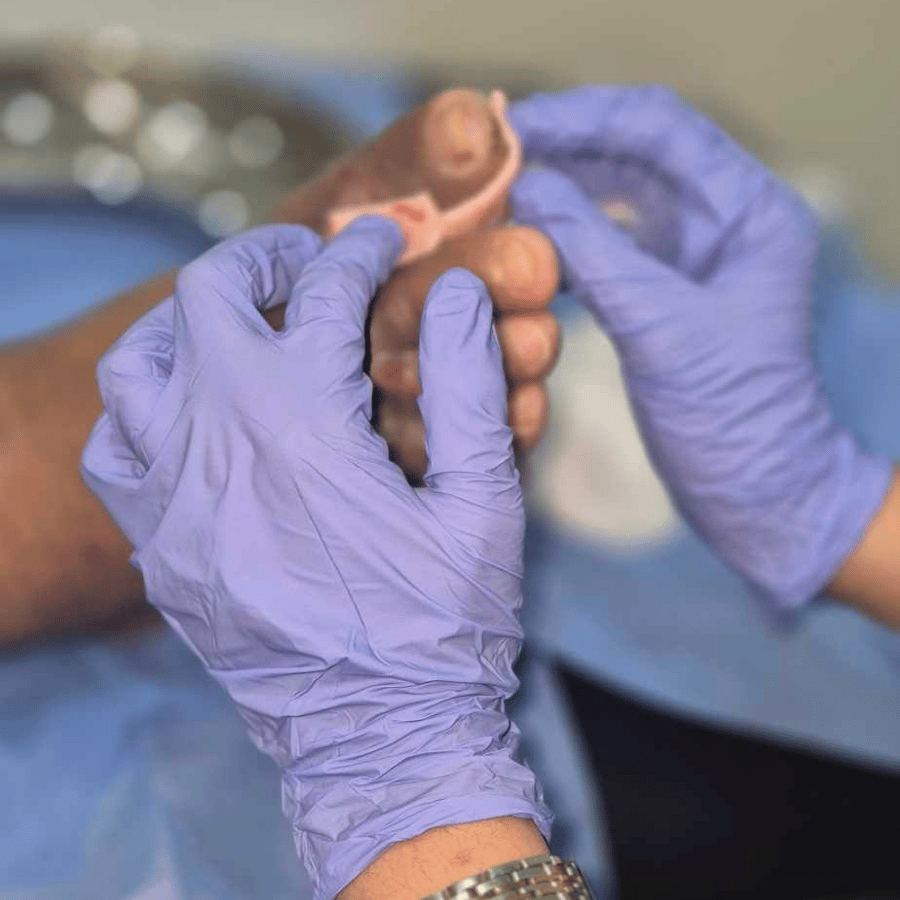
Wounds in elderly and diabetic patients require careful attention. Cleaning wounds with antiseptic solutions, applying appropriate dressings, and monitoring for signs of infection are essential steps. Timely treatment can prevent minor wounds from developing into serious complications. Kalingap Wound Care offers professional wound care services, including advanced dressing techniques, to promote faster and safer healing. Knowing when to seek professional help is a crucial aspect of effective foot and wound care.
Role of Healthcare Professionals
Regular visits to healthcare professionals, including podiatrists and wound care specialists, are essential for managing foot health. Professionals monitor for infections, recommend treatments like debridement, and provide therapies that improve healing outcomes. Kalingap Wound Care’s team of trained specialists ensures that patients receive comprehensive foot and wound care, helping prevent serious complications and improving overall quality of life.
Lifestyle and Health Management
Lifestyle plays a significant role in foot and wound care. Managing blood sugar levels is critical for diabetic patients, as high glucose can slow wound healing. A healthy diet rich in vitamins and minerals supports skin health and recovery from injuries. Regular exercise improves circulation, which is essential for maintaining foot health. Combining proper lifestyle habits with professional foot and wound care from Kalingap Wound Care creates a strong foundation for overall well-being.
Home Remedies vs. Professional Care
While safe home care practices can support foot health, serious wounds or infections require professional attention. Home remedies may help maintain skin integrity and prevent minor injuries, but they cannot replace medical interventions for ulcers or severe infections. Kalingap Wound Care provides expert guidance and professional wound management, ensuring that patients receive the most effective treatment.
Takeaway
Maintaining proper foot and wound care is vital for elderly and diabetic patients to prevent serious complications and improve quality of life. Daily preventive practices, lifestyle management, and professional monitoring play essential roles. Kalingap Wound Care provides specialized services and expert guidance to ensure that patients receive the best care for their feet and wounds. Prioritizing foot health today can prevent severe problems tomorrow.
FAQs
How often should elderly and diabetic patients inspect their feet?
Daily inspection is recommended to catch any problems early and prevent complications.
What are the warning signs of a diabetic foot ulcer?
Signs include redness, swelling, pain, open sores, and unusual discharge. Early intervention is critical.
Can foot wounds heal faster with home care?
Minor wounds may benefit from proper hygiene and protection at home, but professional care accelerates healing for more serious injuries.
How often should podiatrists be consulted?
Regular check-ups, at least twice a year, are recommended for diabetic and elderly patients. More frequent visits may be needed if wounds or complications arise.