Bedsores, also known as pressure ulcers, are injuries to the skin and underlying tissue caused by prolonged pressure on the skin. They often develop on areas with bony prominences such as the heels, hips, and tailbone. One of the biggest challenges in managing bedsores is the presence of dead tissue, which can slow healing and increase the risk of infection. Dead tissue removal is a vital step in bedsore treatment, helping restore healthy tissue and promote faster recovery. For patients seeking expert care, Kalingap Wound Care Clinic offers professional dead tissue removal services tailored to individual needs.
What Are Bedsores and Why Dead Tissue Forms
Bedsores occur when sustained pressure cuts off blood flow to specific areas, depriving skin and tissue of oxygen and nutrients. Over time, this lack of circulation causes tissue damage, leading to necrotic, or dead, tissue. Dead tissue not only prevents wounds from healing but also creates an environment conducive to bacterial growth. Patients with limited mobility, chronic illnesses, or poor nutrition are particularly at risk. Understanding how dead tissue forms is essential to addressing bedsores effectively, and professional dead tissue removal ensures proper care and reduced complications.
Importance of Dead Tissue Removal
Dead tissue removal is critical for bedsore management because it removes barriers to healing and reduces infection risks. Necrotic tissue can harbor bacteria, leading to infection and potentially life-threatening complications. Removing dead tissue allows the wound to breathe, encourages new tissue growth, and helps patients recover faster. By opting for professional dead tissue removal, patients benefit from safe, precise, and effective care that promotes better outcomes. Clinics like Kalingap Wound Care Clinic specialize in this process, offering expert guidance and treatment.
Methods of Dead Tissue Removal
Several techniques are used for dead tissue removal, each suited to the wound’s severity and patient condition.
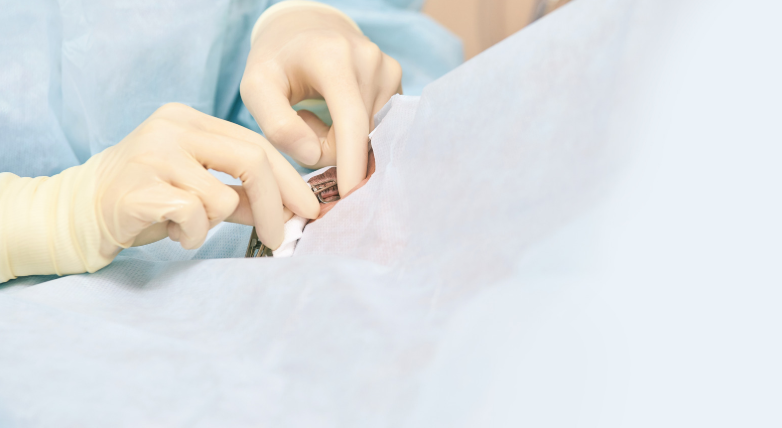
- Surgical debridement involves carefully cutting away dead tissue using sterile instruments, often performed under local anesthesia.
- Mechanical debridement uses specialized tools or dressings to remove necrotic tissue gradually.
- Autolytic debridement relies on the body’s natural healing processes, using moisture-retaining dressings to soften and break down dead tissue.
- Enzymatic debridement applies topical agents to dissolve necrotic tissue safely.
- Biological debridement, sometimes involving sterile medical-grade larvae, is used in specific cases to selectively remove dead tissue.
Professional assessment at Kalingap Wound Care Clinic ensures the right method is chosen for each patient, maximizing safety and effectiveness.
How Dead Tissue Removal Supports Bedsore Healing
Dead tissue removal plays a pivotal role in accelerating bedsore healing. Once necrotic tissue is removed, blood circulation improves, and the body can deliver oxygen and nutrients to the affected area. This encourages new tissue growth and reduces inflammation, swelling, and pain. Patients experience faster recovery and decreased risk of infection. Combined with proper wound care, dressing, and monitoring, dead tissue removal ensures that the wound environment is optimal for healing, ultimately improving quality of life.
Risks of DIY Dead Tissue Removal
Attempting dead tissue removal at home is dangerous and strongly discouraged. Improper techniques can worsen wounds, introduce infections, and prolong the healing process. Patients may experience severe pain, excessive bleeding, or even permanent tissue damage. Professional care at Kalingap Wound Care Clinic guarantees that dead tissue removal is performed under sterile conditions with trained staff, reducing risks and ensuring effective treatment.
Choosing the Right Clinic for Dead Tissue Removal
Selecting a reliable wound care clinic is essential for safe and effective dead tissue removal. Patients should look for clinics with experienced medical staff, sterile facilities, and a patient-focused approach. Kalingap Wound Care Clinic stands out as a trusted provider, offering comprehensive bedsore management, including professional dead tissue removal. The clinic’s commitment to personalized care and advanced treatment methods ensures that patients receive the best possible support throughout the healing process.
Post-Treatment Care and Maintenance
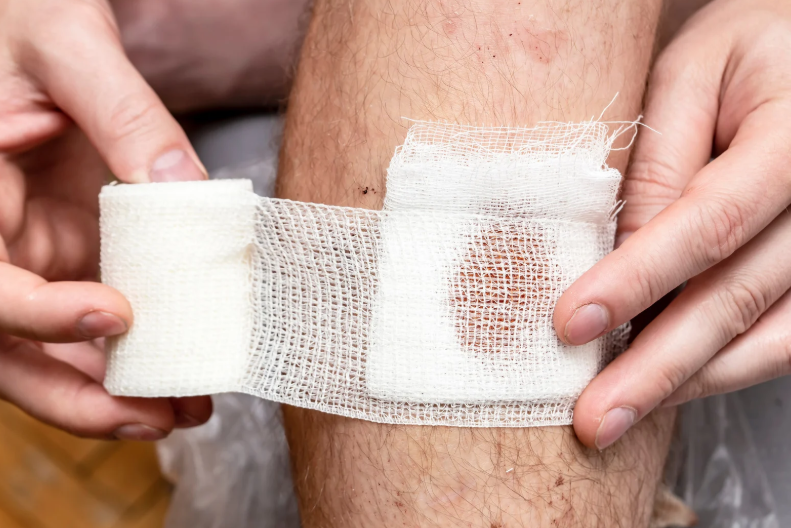
After dead tissue removal, proper post-treatment care is crucial to prevent recurrence and support healing. Regular wound dressing changes, maintaining proper hygiene, and following the care plan recommended by specialists are essential. Nutrition, hydration, and mobility adjustments also contribute to faster recovery. Patients benefit from follow-up consultations at Kalingap Wound Care Clinic, where ongoing monitoring and guidance ensure wounds heal efficiently and safely.
Takeaway
Dead tissue removal is a cornerstone of effective bedsore treatment. It accelerates healing, reduces infection risks, and improves overall outcomes for patients suffering from pressure ulcers. Engaging professionals ensures safe and precise care, making Kalingap Wound Care Clinic the best choice for patients seeking expert dead tissue removal services. With their specialized approach and commitment to patient well-being, bedsores can be managed efficiently and safely, giving patients the care and support they need for a smoother recovery.
FAQ Section
What is dead tissue removal and why is it necessary for bedsores?
Dead tissue removal is the process of eliminating necrotic tissue from a wound. It is necessary for bedsores to prevent infection, promote healing, and restore healthy tissue.
How often should dead tissue be removed?
The frequency depends on the wound’s condition and stage. A medical professional at Kalingap Wound Care Clinic can determine the best schedule.
Can dead tissue removal be painful?
Professional techniques minimize pain, and local anesthesia or pain management strategies are used when necessary.
Is bedsore healing guaranteed after dead tissue removal?
While dead tissue removal significantly improves healing, recovery also depends on patient health, wound care, and follow-up.
Where can I get safe dead tissue removal services?
Kalingap Wound Care Clinic provides professional, safe, and effective dead tissue removal for bedsores.