
Diabetic patients face unique challenges when it comes to wound healing, particularly when dealing with foot ulcers. High blood sugar levels can impair circulation and reduce the body’s ability to fight infections, making even minor wounds a serious concern. One of the most effective ways to manage and treat diabetic wounds is through a Debridement procedure, which removes dead or infected tissue to promote faster and safer healing. For professional care, Kalingap Wound Care Clinic offers expert services tailored for diabetic patients, ensuring optimal recovery and minimizing complications.
Understanding Diabetic Foot Ulcers
Diabetic foot ulcers are open sores or wounds that commonly develop on the feet of individuals with diabetes. Poor circulation, neuropathy, and high blood sugar levels contribute to slower healing and a higher risk of infection. Without proper intervention, these ulcers can lead to severe complications such as gangrene or even amputations. Addressing these wounds promptly with a Debridement procedure is critical to avoid worsening infections and to support the healing process.
What is a Debridement Procedure?
A Debridement procedure involves the careful removal of dead, damaged, or infected tissue from a wound to accelerate healing and prevent further infection. By eliminating unhealthy tissue, the procedure exposes healthy skin and tissue, allowing the body’s natural repair mechanisms to work more efficiently. Several types of debridement are commonly used for diabetic patients:
- Surgical debridement: Rapid removal of necrotic tissue using specialized instruments.
- Mechanical debridement: Gentle cleansing or scrubbing of the wound to remove debris.
- Enzymatic debridement: Use of topical enzymes to break down dead tissue gradually.
- Autolytic debridement: Utilizes the body’s own enzymes and moisture to naturally dissolve dead tissue.
- Sharp debridement: Precise removal of unhealthy tissue using a scalpel or scissors.
Selecting the appropriate method is essential and should always be performed by experienced professionals like those at Kalingap Wound Care Clinic.
Importance of Debridement for Diabetic Patients
A Debridement procedure is crucial for diabetic patients because it reduces the risk of severe infections and encourages faster healing. Removing necrotic tissue prevents bacteria from multiplying and spreading to surrounding areas, which can otherwise lead to life-threatening conditions. Clinical studies have shown that wounds treated with timely debridement heal faster and have a lower risk of recurrence. Patients who undergo regular Debridement procedures under professional care experience improved mobility, reduced pain, and an overall higher quality of life.
How the Debridement Procedure Works
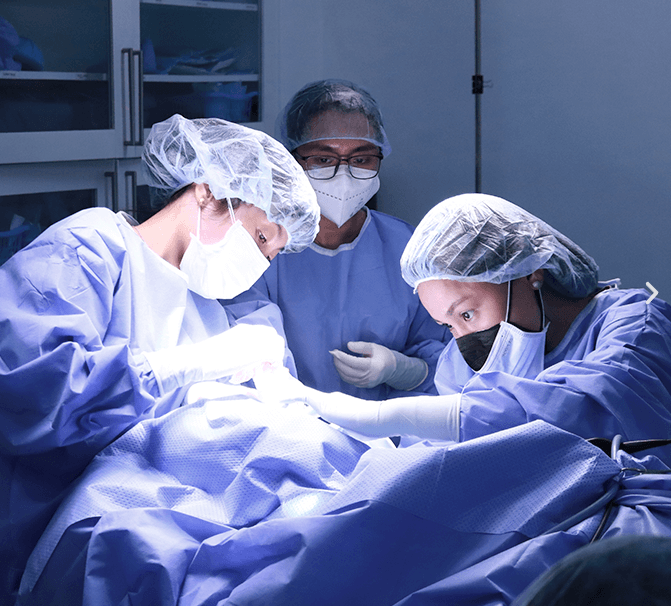
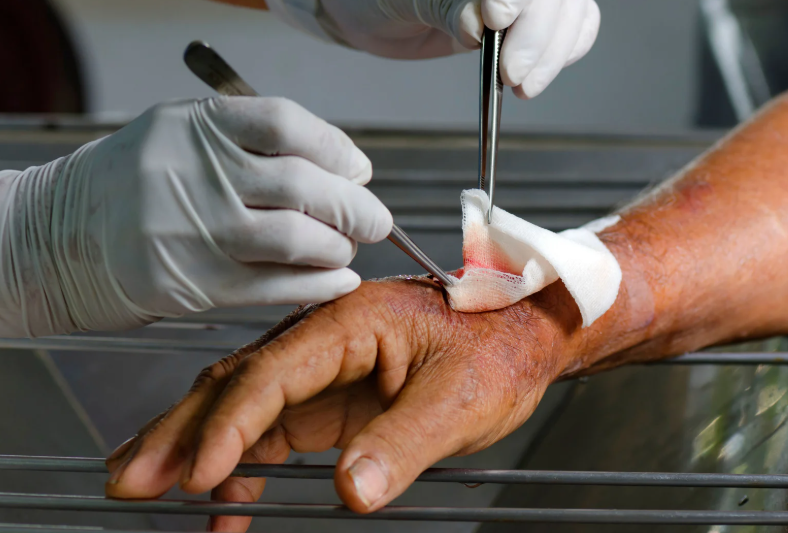
During a professional Debridement procedure, the wound is first carefully assessed to determine the extent of tissue damage. The area is cleaned and sterilized to prevent infection. Depending on the type of debridement, dead tissue is removed using surgical tools, mechanical methods, or enzymatic agents. Proper technique ensures that only non-viable tissue is removed while preserving healthy skin. Post-procedure, the wound is dressed appropriately, and patients receive guidance on foot care, monitoring for signs of infection, and follow-up visits to track healing progress. Performing Debridement procedures without expert supervision is risky and can lead to further injury or infection.
Recovery and Post-Procedure Care
After a Debridement procedure, recovery depends on the patient’s overall health, wound size, and diabetes management. Proper post-procedure care is essential to prevent complications and ensure effective healing. Patients are advised to keep the wound clean, change dressings regularly, and monitor for signs of infection such as redness, swelling, or discharge. Wearing proper footwear and avoiding pressure on the affected area are also important steps. At Kalingap Wound Care Clinic, patients receive detailed instructions and follow-up care to maintain wound hygiene and support long-term healing.
Choosing the Right Clinic for Debridement
Selecting an experienced clinic is vital for successful Debridement procedures. Look for clinics with trained medical professionals, proper equipment, and a proven track record in managing diabetic wounds. Kalingap Wound Care Clinic stands out as a trusted choice, offering personalized care plans and a multidisciplinary approach to diabetic foot management. With their expertise, patients can achieve faster recovery, reduced risk of complications, and peace of mind knowing their wounds are treated with precision and care.
Takeaway
Professional management of diabetic foot ulcers through a Debridement procedure is essential for preventing infections and promoting effective healing. Patients who choose experienced providers, such as Kalingap Wound Care Clinic, benefit from expert care, personalized treatment plans, and comprehensive post-procedure support. Prioritizing regular wound care and professional debridement is a key step toward maintaining foot health and improving quality of life for diabetic patients.
FAQs About Debridement Procedure for Diabetic Patients
How often should debridement be performed?
Frequency depends on wound severity and healing progress. Some patients may need regular procedures until the wound fully heals.
Is the procedure painful?
Local anesthesia is often used, and most patients report minimal discomfort during a professional Debridement procedure.
Can debridement prevent amputations?
Yes, timely and proper debridement significantly reduces the risk of severe infections that could lead to amputation.
Are there risks or complications?
Risks are minimal when performed by trained professionals. Complications may include minor bleeding or infection if post-procedure care is neglected.
Can diabetic patients perform debridement at home?
Self-debridement is strongly discouraged. Professional care is necessary to prevent further injury and ensure proper healing.