Understanding Vitreo Retina Management
Vitreo Retina Management is a specialized field of eye care focused on diagnosing, monitoring, and treating conditions that affect the vitreous and retina. These two structures play a critical role in how we see, making their health essential for maintaining clear and functional vision. The vitreous is a gel-like substance that fills the eye, while the retina is a light-sensitive layer that processes visual information and sends it to the brain. When problems arise in these areas, vision can become distorted, blurred, or even lost if not addressed promptly. This is why Vitreo Retina Management is considered a crucial part of modern ophthalmology. Many individuals may not realize they have a retinal issue until symptoms become severe, which makes awareness and early intervention extremely important. With advancements in medical technology, early detection and treatment have become more effective, helping preserve vision for millions of people.
Anatomy of the Vitreous and Retina
Understanding the anatomy of the vitreous and retina helps explain why Vitreo Retina Management is so important. The vitreous body is a clear, gel-like substance that occupies most of the eye’s interior, providing structure and helping light pass through to the retina. Over time, the vitreous can change in consistency, sometimes shrinking or pulling away from the retina, which can lead to complications. The retina itself is made up of multiple layers of cells that detect light and convert it into electrical signals for the brain to interpret. Within the retina, the macula is responsible for central vision, allowing people to read, drive, and recognize faces. The fovea, located in the macula, provides the sharpest vision. When the vitreous and retina interact normally, vision remains stable and clear. However, any disruption in their relationship can lead to serious eye conditions that require prompt medical attention.
Common Conditions Requiring Vitreo Retina Management
Several eye conditions fall under the scope of Vitreo Retina Management, each with its own causes and symptoms. Retinal detachment is one of the most serious issues, occurring when the retina pulls away from its normal position, which can lead to permanent vision loss if untreated. Diabetic retinopathy is another common condition, especially among individuals with uncontrolled diabetes, where blood vessels in the retina become damaged. Macular degeneration affects the central portion of the retina and is often associated with aging, leading to gradual loss of central vision. Vitreous hemorrhage involves bleeding into the vitreous cavity, causing sudden vision impairment or floaters. Other conditions like macular holes and epiretinal membranes can distort vision and reduce clarity. These conditions often develop silently, which is why regular eye check-ups are essential. Early detection significantly improves the chances of successful treatment and vision preservation.
Diagnostic Techniques in Vitreo Retina Management
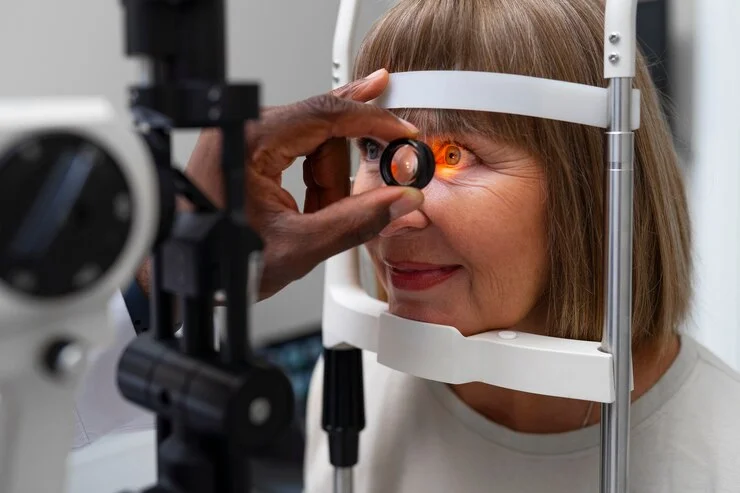
Accurate diagnosis is the foundation of effective Vitreo Retina Management. Eye specialists use a range of advanced tools and techniques to evaluate the health of the retina and vitreous. A comprehensive eye examination typically includes visual acuity tests and a dilated eye exam, allowing doctors to examine the back of the eye in detail. Optical Coherence Tomography, or OCT, provides high-resolution images of the retina’s layers, making it easier to detect even minor abnormalities. Fundus photography helps document the condition of the retina over time, which is useful for monitoring disease progression. Fluorescein angiography is another technique that highlights blood flow in the retina, helping identify leaks or blockages. Ultrasound imaging may be used when visibility is obstructed, such as in cases of vitreous hemorrhage. These diagnostic methods enable specialists to create accurate and personalized treatment plans for each patient.
Treatment Approaches in Vitreo Retina Management
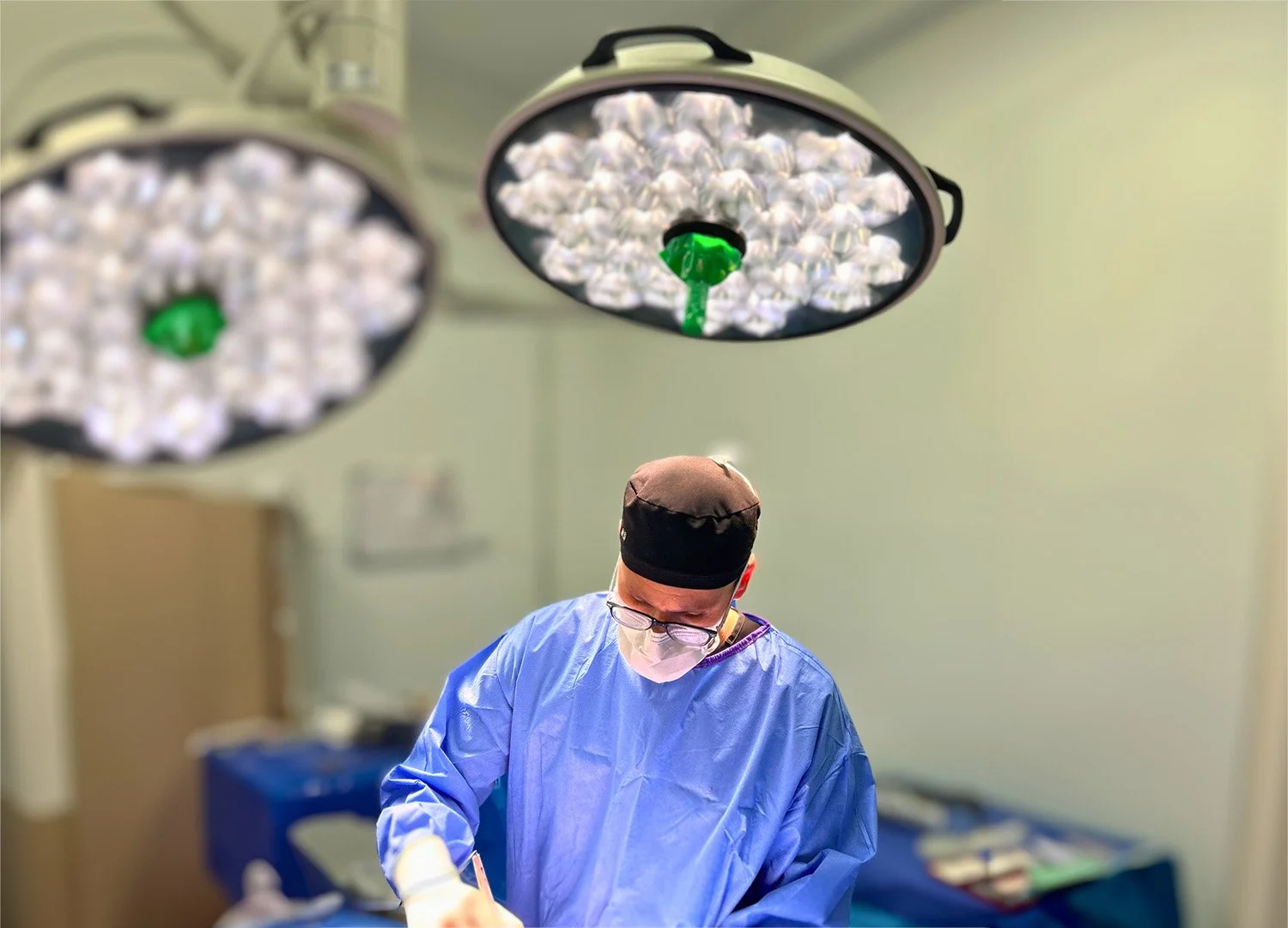
Treatment options in Vitreo Retina Management vary depending on the condition and its severity. Medical management often includes medications such as anti-VEGF injections, which help reduce abnormal blood vessel growth and leakage in the retina. Steroid treatments may also be used to control inflammation and swelling. Laser therapy is commonly applied to seal retinal tears or treat diabetic retinopathy by targeting damaged blood vessels. Vitrectomy surgery is a more advanced procedure that involves removing the vitreous gel and replacing it with a clear solution to restore vision. Cryotherapy, which uses extreme cold to treat retinal tears, is another option in certain cases. In many situations, a combination of treatments may be recommended to achieve the best results. The goal of these treatments is not only to address the immediate issue but also to prevent further damage and preserve long-term vision.
Preventive Strategies and Eye Health Maintenance
Preventing retinal diseases is a key aspect of Vitreo Retina Management. While not all conditions can be avoided, there are several steps individuals can take to protect their eye health. Regular eye exams are essential, especially for those with risk factors such as diabetes or a family history of eye disease. Managing chronic conditions like hypertension and diabetes can significantly reduce the risk of retinal complications. Wearing protective eyewear and sunglasses with UV protection can help shield the eyes from harmful environmental factors. Nutrition also plays an important role, with vitamins and antioxidants supporting retinal health. Maintaining a healthy lifestyle, including regular exercise and avoiding smoking, can further reduce the risk of vision problems. These preventive measures contribute to overall eye wellness and help detect issues before they become severe.
Key Practices for Maintaining Retinal Health
Taking proactive steps can greatly support effective Vitreo Retina Management and long-term vision care. Developing healthy habits and staying informed about eye health can make a significant difference in preventing complications. Consistency is important, as small daily choices can have lasting effects on vision quality. Below are some essential practices that individuals can follow to maintain retinal health and reduce the risk of eye diseases:
- Schedule regular comprehensive eye examinations even if no symptoms are present
- Control blood sugar levels to prevent diabetic-related eye conditions
- Maintain healthy blood pressure and cholesterol levels
- Eat a balanced diet rich in leafy greens, fruits, and omega-3 fatty acids
- Avoid smoking, as it increases the risk of retinal diseases
- Use protective eyewear during activities that may harm the eyes
- Limit prolonged screen time and practice proper eye rest techniques
By incorporating these habits into daily life, individuals can actively support their eye health and reduce the likelihood of developing serious retinal conditions.
Advancements in Vitreo Retina Management
The field of Vitreo Retina Management continues to evolve with ongoing technological and medical advancements. Modern imaging tools now provide clearer and more detailed views of the retina, allowing for earlier and more accurate diagnoses. Minimally invasive surgical techniques have improved patient outcomes, reducing recovery time and discomfort. New medications are being developed to treat retinal diseases more effectively, including longer-lasting injections that reduce the need for frequent visits. Artificial intelligence is also playing a growing role in eye care, helping doctors analyze images and detect patterns that may indicate disease. These innovations are transforming how retinal conditions are managed, making treatments more accessible and efficient. As research continues, patients can expect even more advanced solutions for preserving and restoring vision.
Risks and Complications in Vitreo Retina Management
While treatments in Vitreo Retina Management are generally safe and effective, there are potential risks and complications to consider. Surgical procedures, such as vitrectomy, may carry risks like infection, bleeding, or changes in eye pressure. Some patients may experience temporary discomfort or visual disturbances following treatment. Injections and laser therapies can also have side effects, although these are usually minimal and manageable. It is important for patients to follow their doctor’s instructions carefully to reduce the risk of complications. Choosing a qualified and experienced specialist can significantly improve treatment outcomes. Regular follow-up visits are essential to monitor progress and address any concerns early. Understanding these risks helps patients make informed decisions about their eye care.
Patient Experience and Recovery Journey
The experience of undergoing Vitreo Retina Management varies depending on the condition and treatment involved. Before any procedure, patients typically undergo a thorough evaluation and receive detailed explanations about their options. During treatment, most procedures are performed with local anesthesia, ensuring comfort and minimal pain. Recovery times can vary, with some treatments requiring only a few days while others may take several weeks or months. Patients are often advised to avoid strenuous activities and follow specific care instructions during recovery. Vision improvement may be gradual, depending on the severity of the condition. Emotional support is also important, as vision issues can affect confidence and daily life. With proper care and guidance, most patients achieve positive outcomes and improved quality of life.
Choosing the Right Specialist for Vitreo Retina Management
Selecting the right specialist is a critical step in effective Vitreo Retina Management. Patients should look for board-certified ophthalmologists with specialized training in retinal diseases. Experience and access to advanced diagnostic equipment are also important factors to consider. A good specialist will take the time to explain conditions and treatment options clearly, ensuring patients feel informed and confident. Personalized care plans tailored to individual needs can lead to better results. Patients should not hesitate to ask questions about procedures, risks, and expected outcomes. Trust and communication between the patient and doctor play a vital role in successful treatment. Making an informed choice can greatly impact the overall experience and effectiveness of care.
FAQ
What is Vitreo Retina Management and who needs it?
Vitreo Retina Management focuses on diagnosing and treating conditions that affect the vitreous and retina. It is recommended for individuals experiencing symptoms such as floaters, flashes, blurred vision, or those with chronic conditions like diabetes.
Is vitrectomy surgery safe?
Vitrectomy is considered a safe and effective procedure when performed by experienced specialists. While there are risks, modern techniques have greatly improved safety and recovery outcomes.
How often should I get my retina checked?
Routine eye exams are typically recommended every one to two years for healthy individuals. Those with risk factors may need more frequent evaluations based on their doctor’s advice.
Can retinal diseases be prevented?
Not all retinal conditions can be prevented, but maintaining a healthy lifestyle and managing underlying health issues can significantly reduce the risk.
What are early warning signs of retinal problems?
Common signs include sudden flashes of light, floaters, blurred vision, and a shadow or curtain effect in the field of vision.
Are treatments for retinal diseases painful?
Most treatments are minimally uncomfortable and are performed with local anesthesia to ensure patient comfort.
How long does recovery take after retinal surgery?
Recovery varies depending on the procedure but may range from a few weeks to several months, with gradual improvement in vision.
Takeaway
Vitreo Retina Management plays a vital role in preserving vision and addressing complex eye conditions that can significantly impact daily life. Understanding how the vitreous and retina function, recognizing early warning signs, and seeking timely medical care are essential steps in maintaining healthy eyesight. Advances in diagnostic tools and treatment options have made it possible to manage many retinal conditions effectively, offering hope to those at risk of vision loss. Preventive care, including regular eye exams and healthy lifestyle choices, remains a powerful way to protect long-term eye health. By staying informed and proactive, individuals can take control of their vision and ensure they receive the care they need when it matters most.