Understanding Decubitus Ulcers
Decubitus ulcers, commonly known as pressure sores or bedsores, develop when prolonged pressure restricts blood flow to the skin and underlying tissues. This lack of circulation leads to tissue damage, which can worsen if not addressed promptly. These ulcers often appear in areas where bones are close to the skin, such as the heels, hips, tailbone, and elbows. Individuals who are bedridden or unable to change positions frequently are especially vulnerable to this condition. The skin may initially appear red or discolored, but without proper care, it can progress into open wounds. Decubitus ulcer treatment becomes more complex as the condition advances, making early recognition a critical factor in recovery. Understanding how these ulcers form helps caregivers and patients take proactive steps to prevent and manage them effectively.
Causes and Risk Factors Behind Pressure Ulcers
The primary cause of pressure ulcers is sustained pressure that reduces blood supply to certain parts of the body. When pressure is combined with friction or shear, the skin becomes even more susceptible to breakdown. Moisture from sweat, urine, or wound drainage can further weaken the skin’s protective barrier. People with chronic conditions such as diabetes or vascular disease often experience slower healing, increasing their risk of developing severe ulcers. Limited mobility is one of the most significant contributors, especially in elderly individuals or those recovering from surgery. Poor nutrition also plays a major role, as the body requires essential nutrients to maintain skin integrity and repair damaged tissue. Recognizing these risk factors allows for better planning and implementation of effective decubitus ulcer treatment strategies.
Stages of Decubitus Ulcers and Their Characteristics
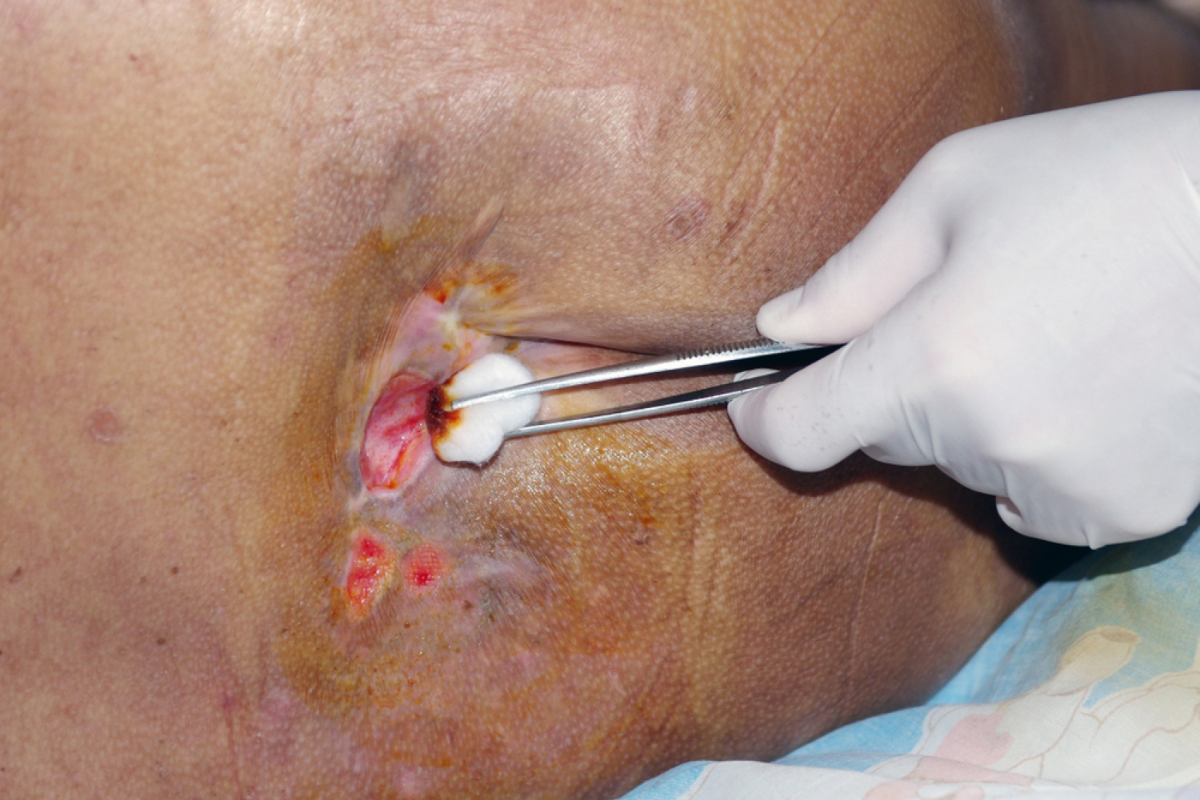
Decubitus ulcers are classified into stages based on their severity, and each stage requires a different approach to care. Stage 1 is characterized by redness or discoloration that does not fade when pressed, indicating early skin damage. Stage 2 involves partial-thickness skin loss, often presenting as a blister or shallow open sore. In Stage 3, the damage extends deeper into the tissue, exposing fat layers and forming a more serious wound. Stage 4 is the most severe, where muscle, bone, or supporting structures become visible, significantly increasing the risk of infection. Some ulcers may be unstageable due to dead tissue covering the wound, while others may involve deep tissue injury beneath intact skin. Accurate staging is essential for determining the most appropriate decubitus ulcer treatment plan. It also helps healthcare providers monitor healing progress and adjust interventions as needed.
Early Signs and Symptoms to Watch For
Early detection of pressure ulcers can make a significant difference in treatment outcomes. One of the first signs is persistent redness or discoloration that does not improve after relieving pressure. The affected area may feel warmer or cooler compared to surrounding skin, indicating changes in circulation. Patients might also experience tenderness, itching, or mild pain in the area. As the condition progresses, swelling and changes in skin texture can become more noticeable. Open sores, blisters, or drainage are clear indicators that the ulcer has advanced and requires immediate attention. In individuals with reduced sensation, such as those with nerve damage, these symptoms may go unnoticed without regular inspection. Being vigilant about these warning signs ensures timely decubitus ulcer treatment and reduces the risk of complications.
Core Principles of Decubitus Ulcer Treatment
Effective decubitus ulcer treatment focuses on several key principles that work together to promote healing. The first and most important step is relieving pressure on the affected area, which allows blood flow to return and supports tissue repair. Maintaining a clean and moist wound environment is essential for preventing infection and encouraging new tissue growth. Proper hygiene practices help reduce the risk of bacterial contamination. Addressing underlying health conditions, such as diabetes or poor circulation, is also critical for successful healing. Pain management plays a vital role in improving patient comfort and overall well-being. Consistency in care and monitoring ensures that any changes in the wound are addressed promptly. These principles form the foundation of any effective treatment plan.
Medical Treatments for Decubitus Ulcers
Medical care for pressure ulcers involves a combination of wound management techniques and supportive therapies. Healthcare professionals typically begin by cleaning the wound and applying appropriate dressings to protect it from infection. Different types of dressings are used depending on the wound’s condition, including hydrocolloid, foam, alginate, and hydrogel options. Debridement, which involves removing dead or damaged tissue, is often necessary to promote healing. This can be done surgically, enzymatically, or through natural processes supported by specialized dressings. Infection control is another critical aspect, as untreated infections can lead to serious complications. Antibiotics may be prescribed when necessary to combat bacterial growth. Advanced therapies, such as negative pressure wound therapy and hyperbaric oxygen treatment, may be recommended for more severe cases. These approaches enhance the effectiveness of decubitus ulcer treatment and improve healing outcomes.
Surgical Options for Severe Cases
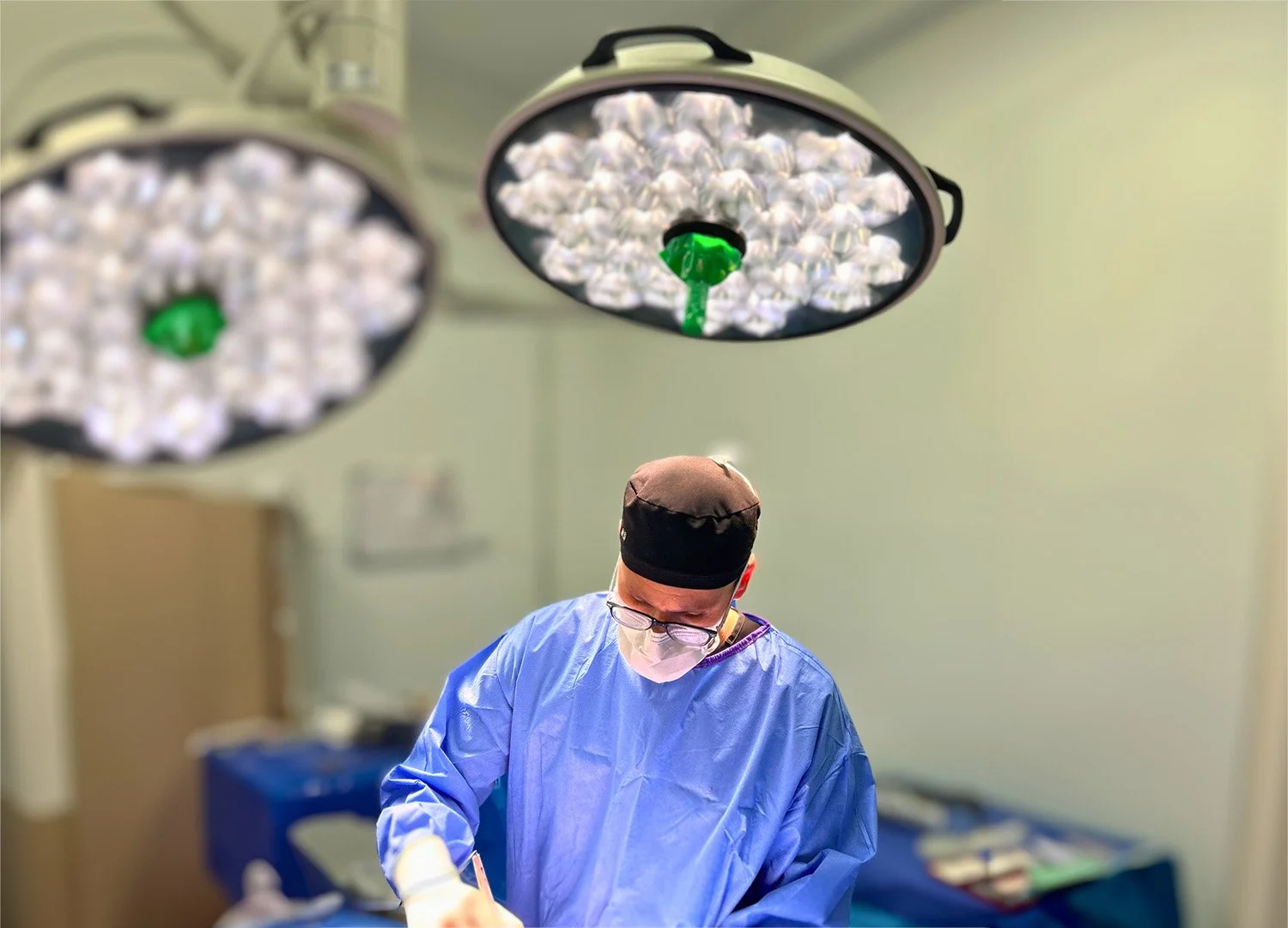
When pressure ulcers reach an advanced stage and do not respond to conservative treatments, surgical intervention may be required. Procedures such as skin grafts or flap reconstruction are commonly used to close large or deep wounds. These surgeries involve transferring healthy tissue from another part of the body to cover the affected area. While surgery can significantly improve healing, it also carries risks, including infection and complications related to anesthesia. Recovery requires careful monitoring and adherence to post-operative care instructions. Patients must continue pressure relief measures to prevent recurrence of the ulcer. Collaboration between surgeons, nurses, and caregivers is essential for successful outcomes. Surgical options provide a valuable solution for complex cases where other forms of decubitus ulcer treatment are insufficient.
Role of Nutrition in Healing Pressure Ulcers
Proper nutrition plays a crucial role in the healing process of pressure ulcers. The body requires adequate protein to repair damaged tissues and build new cells. Vitamins and minerals, such as vitamin C, zinc, and iron, support immune function and accelerate wound healing. Hydration is equally important, as it helps maintain skin elasticity and overall health. Patients with poor nutritional intake may experience delayed healing and increased susceptibility to infection. A well-balanced diet tailored to the patient’s needs can significantly enhance the effectiveness of decubitus ulcer treatment. Healthcare providers often recommend nutritional supplements when dietary intake is insufficient. Monitoring and adjusting nutritional plans ensures that the body has the resources it needs to recover.
Preventive Strategies to Avoid Recurrence
Preventing pressure ulcers is just as important as treating them, especially for individuals at high risk. Consistent repositioning helps relieve pressure and improve circulation, reducing the likelihood of skin breakdown. Support surfaces, such as specialized mattresses and cushions, provide additional protection. Maintaining proper skin hygiene keeps the skin clean and dry, preventing irritation and infection. Regular skin assessments allow for early detection of potential issues. Encouraging mobility, even in small amounts, can make a significant difference in overall health. Education for caregivers and patients ensures that preventive measures are implemented effectively. These strategies are essential for long-term success in decubitus ulcer treatment and prevention.
Practical Prevention Tips
- Reposition patients every two hours to relieve pressure
- Use pressure-relieving mattresses and cushions
- Keep skin clean and dry at all times
- Inspect skin daily for early signs of damage
- Maintain a balanced diet rich in protein and vitamins
- Encourage gentle movement and activity when possible
- Use protective dressings on vulnerable areas
Home Care and Caregiver Support
Providing care for someone with a pressure ulcer at home requires dedication and proper knowledge. Caregivers play a vital role in ensuring that treatment plans are followed consistently. Cleaning and dressing the wound must be done carefully to avoid infection and promote healing. Using the right tools and equipment can improve both patient comfort and caregiver efficiency. Emotional support is also important, as patients may feel frustrated or discouraged during the healing process. Caregivers should be aware of signs that require medical attention, such as worsening wounds or signs of infection. Regular communication with healthcare providers helps ensure that the decubitus ulcer treatment plan remains effective. With the right support, home care can significantly contribute to recovery.
Complications of Untreated Pressure Ulcers
If left untreated, pressure ulcers can lead to serious and potentially life-threatening complications. Infections can spread to deeper tissues, including bones, resulting in conditions such as osteomyelitis. Severe infections may enter the bloodstream, leading to sepsis, which requires immediate medical intervention. Chronic wounds can develop, making healing more difficult and prolonged. The physical discomfort and pain associated with advanced ulcers can significantly impact a patient’s quality of life. Increased healthcare costs and extended hospital stays are also common consequences. Early and consistent decubitus ulcer treatment is essential to avoid these complications. Addressing the condition promptly ensures better outcomes and reduces risks.
Importance of Multidisciplinary Care
Managing pressure ulcers often requires a team-based approach to address all aspects of the condition. Doctors provide medical oversight and determine appropriate treatment plans. Nurses play a key role in wound care and patient monitoring. Physical therapists help improve mobility and reduce pressure on vulnerable areas. Nutritionists ensure that patients receive the necessary nutrients for healing. Collaboration among these professionals leads to more comprehensive and effective decubitus ulcer treatment. Each team member contributes specialized knowledge that enhances patient care. This coordinated approach improves healing rates and overall patient well-being.
Innovations and Emerging Trends in Decubitus Ulcer Treatment
Advancements in medical technology continue to improve the way pressure ulcers are treated. Smart dressings that monitor wound conditions in real time are becoming more widely available. Biologic therapies and regenerative medicine offer new possibilities for tissue repair and healing. Telemedicine allows healthcare providers to monitor patients remotely, making care more accessible. These innovations are transforming the landscape of decubitus ulcer treatment. Patients benefit from faster healing times and more personalized care plans. Ongoing research continues to explore new methods for improving outcomes. Staying informed about these developments helps patients and caregivers make better decisions.
Frequently Asked Questions (FAQ)
What is the fastest way to heal a decubitus ulcer
The fastest approach involves relieving pressure, maintaining proper wound care, and addressing underlying health conditions. Advanced treatments may also be recommended.
Can pressure ulcers be completely cured
Yes, many pressure ulcers can heal with proper care, especially when detected early and treated consistently.
How long does healing usually take
Healing time varies depending on the severity of the ulcer and the patient’s overall health, ranging from weeks to several months.
Are home treatments enough for pressure sores
Mild cases may be managed at home, but moderate to severe ulcers require professional medical care.
What foods help with healing pressure ulcers
Foods rich in protein, vitamins, and minerals support tissue repair and improve healing outcomes.
When should medical help be sought
Medical attention is necessary if the ulcer worsens, shows signs of infection, or does not improve with basic care.
Takeaway
Decubitus ulcer treatment requires a consistent, well-rounded approach that combines pressure relief, proper wound care, and attention to overall health. Early detection and timely intervention can significantly improve healing outcomes and prevent complications. Support from healthcare professionals, caregivers, and proper nutrition all contribute to successful recovery. By understanding the causes, stages, and treatment options, patients and caregivers can take proactive steps toward better skin health and improved quality of life.