
Understanding Infertility and Diagnostic Pathways in Infertility Treatment
Infertility is generally defined as the inability to achieve pregnancy after 12 months of regular, unprotected intercourse, or 6 months if the female partner is over 35 years old. Infertility treatment focuses on identifying the underlying causes and offering medical or assisted solutions to improve the chances of conception. It affects both men and women, and in many situations, it involves a combination of factors from both partners. Understanding reproductive health is an essential first step in developing an effective infertility treatment plan. Many individuals are surprised to learn that infertility is more common than expected and affects millions of couples worldwide. Early evaluation plays a major role in improving outcomes because timely intervention can address reversible causes. Diagnostic pathways in infertility treatment are structured to examine hormonal, structural, genetic, and lifestyle-related factors affecting fertility.
Major Causes That Lead to the Need for Infertility Treatment
Several medical and physiological conditions contribute to the need for infertility treatment in both men and women. In women, ovulation disorders are among the most common causes and often involve hormonal imbalances that prevent regular egg release. Conditions such as polycystic ovary syndrome (PCOS) significantly interfere with fertility and require targeted infertility treatment strategies. Endometriosis can also reduce fertility by affecting the uterus, ovaries, and surrounding reproductive structures. Blocked or damaged fallopian tubes may prevent fertilization altogether, making natural conception difficult. In men, infertility is frequently linked to low sperm count, poor sperm movement, or structural issues that interfere with sperm delivery. Hormonal imbalances can also affect sperm production and quality. In some cases, both partners may contribute to fertility challenges, while in others, no clear cause is identified even after extensive testing.
When to Consider Seeking Infertility Treatment
Deciding when to begin infertility treatment depends on several medical and personal factors. Couples under 35 are generally advised to seek evaluation after one year of unsuccessful attempts to conceive. For individuals over 35, earlier consultation is recommended due to natural age-related fertility decline. Irregular menstrual cycles or known reproductive conditions may warrant earlier intervention regardless of age. A history of recurrent pregnancy loss is another important reason to seek infertility treatment without delay. Men with known risk factors such as previous surgeries, hormonal disorders, or exposure to environmental toxins should also undergo evaluation early. In many cases, early infertility treatment improves the chances of success by addressing underlying issues before they progress further.
Diagnostic Testing and Evaluation in Infertility Treatment
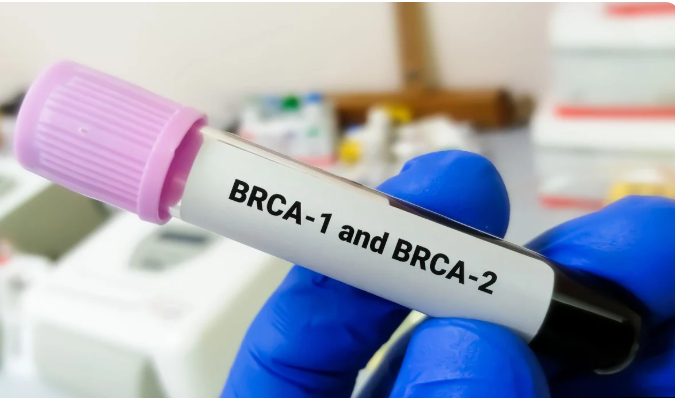
Accurate diagnosis is the foundation of effective infertility treatment and involves multiple testing methods. Hormonal blood tests are commonly used to evaluate reproductive hormone levels and detect imbalances that may affect fertility. Ovulation tracking helps determine whether eggs are being released regularly and efficiently. For male partners, semen analysis provides detailed information about sperm count, motility, and overall health. Imaging tests such as ultrasound help identify structural abnormalities in the uterus or ovaries. A hysterosalpingography (HSG) test may be used to check whether fallopian tubes are open and functioning properly. Genetic testing may also be recommended in certain cases to identify inherited conditions affecting fertility. These diagnostic tools help specialists design personalized infertility treatment plans.
Comprehensive Overview of Infertility Treatment Options
Infertility treatment includes a wide range of medical and assisted reproductive approaches tailored to individual needs. Lifestyle modifications are often recommended as a foundational step, especially when weight, diet, or stress levels impact fertility. Fertility medications may be used to stimulate ovulation and regulate hormonal balance. Intrauterine insemination (IUI) is a procedure that places sperm directly into the uterus to increase the chance of fertilization. In vitro fertilization (IVF) is a more advanced infertility treatment option involving fertilization outside the body followed by embryo transfer. Intracytoplasmic sperm injection (ICSI) is often used in cases of severe male infertility, where a single sperm is injected into an egg. Donor eggs or sperm may be used when biological factors significantly limit natural conception. Surrogacy is another option for individuals unable to carry a pregnancy.
Female-Focused Infertility Treatment Approaches
Infertility treatment for women is highly individualized and depends on the underlying condition affecting fertility. Ovulation induction medications are often prescribed to stimulate regular egg release. Women with endometriosis may require both medical and surgical infertility treatment approaches to improve reproductive outcomes. Blocked fallopian tubes may be treated through surgical correction or bypassed using assisted reproductive technologies like IVF. Hormonal regulation therapies help restore balance in cases involving thyroid or reproductive hormone disorders. Age-related infertility treatment strategies often focus on maximizing the quality and quantity of remaining eggs. Emotional support is also an important part of female-focused infertility treatment, as the process can be physically and emotionally demanding.
Male-Focused Infertility Treatment Approaches
Male infertility treatment focuses on improving sperm quality, quantity, and delivery mechanisms. Hormonal therapy may be used when imbalances affect sperm production. Surgical procedures can correct issues such as varicocele, which impacts testicular function and sperm health. In cases where sperm production is severely limited, surgical sperm retrieval techniques may be used. Medications and lifestyle adjustments often support improvements in overall reproductive health. Assisted reproductive techniques such as ICSI play a significant role in male infertility treatment when natural fertilization is not possible. Emotional support is also important, as male infertility can affect psychological well-being and relationship dynamics.
Assisted Reproductive Technologies in Infertility Treatment
Assisted reproductive technologies have transformed modern infertility treatment by offering advanced solutions for complex cases. IVF is one of the most widely used methods and involves stimulating the ovaries, retrieving eggs, fertilizing them in a laboratory, and transferring embryos into the uterus. ICSI enhances IVF by directly injecting sperm into eggs, improving fertilization chances in severe male factor infertility. Preimplantation genetic testing allows embryos to be screened for genetic abnormalities before transfer. Embryo freezing provides flexibility for future pregnancy attempts without repeating full treatment cycles. Blastocyst transfer involves transferring embryos at a more developed stage, improving implantation success rates. These technologies have significantly improved outcomes in infertility treatment across diverse patient groups.
Hormonal Therapies and Medical Management in Infertility Treatment
Hormonal therapies play a central role in many infertility treatment plans. Medications such as clomiphene citrate and letrozole are commonly used to stimulate ovulation. Gonadotropin injections help directly stimulate the ovaries for egg production. Thyroid hormone regulation is essential because thyroid imbalances can interfere with reproductive function. Prolactin-related fertility issues may also require medication to restore normal hormone levels. Careful monitoring is required during hormonal infertility treatment to avoid complications and optimize outcomes. These therapies are often combined with other treatment methods for improved effectiveness.
Lifestyle and Natural Support Strategies for Infertility Treatment Support
Lifestyle factors significantly influence fertility and are often addressed alongside medical infertility treatment. A balanced diet rich in vitamins, minerals, and antioxidants supports reproductive health. Maintaining a healthy body weight can improve hormonal balance and ovulation regularity. Regular physical activity enhances overall wellness but should be balanced to avoid excessive strain. Stress reduction techniques such as mindfulness and relaxation exercises can positively impact fertility outcomes. Avoiding smoking, excessive alcohol consumption, and environmental toxins is also strongly recommended. These supportive measures enhance the effectiveness of infertility treatment and improve overall reproductive health.
Emotional and Psychological Factors in Infertility Treatment Journeys
Infertility treatment can be emotionally challenging and may affect mental health and relationships. Many individuals experience stress, anxiety, or feelings of uncertainty during the process. Emotional support from partners, family members, or support groups can be extremely beneficial. Counseling services are often recommended as part of comprehensive infertility treatment care. Open communication between partners helps reduce emotional strain and improves decision-making. Psychological resilience plays an important role in maintaining motivation throughout treatment cycles. Addressing emotional well-being is just as important as medical intervention in infertility treatment.
Financial Planning and Accessibility of Infertility Treatment
Infertility treatment can involve significant financial considerations depending on the procedures required. Costs vary widely based on diagnostic tests, medications, and assisted reproductive technologies. IVF and other advanced procedures are typically more expensive than initial fertility medications or IUI. Insurance coverage for infertility treatment varies depending on location and provider policies. Some clinics and organizations offer financing plans or assistance programs to improve accessibility. Careful financial planning helps individuals and couples manage treatment expectations. Understanding costs early in the process reduces stress and supports informed decision-making.
Risks, Limitations, and Considerations in Infertility Treatment
While infertility treatment offers hope, it also involves certain risks and limitations. Fertility medications may cause side effects such as mood changes or ovarian overstimulation. Assisted reproductive technologies may increase the likelihood of multiple pregnancies. Not all treatment cycles result in pregnancy, and multiple attempts may be necessary. Emotional and financial strain can also be part of the process. Careful monitoring by specialists helps reduce medical risks and improve safety. Understanding these considerations helps patients maintain realistic expectations throughout infertility treatment.
Choosing the Right Fertility Specialist or Clinic for Infertility Treatment
Selecting the right clinic is an important part of successful infertility treatment. Experience and qualifications of fertility specialists should be carefully evaluated. Clinics with advanced laboratory facilities often provide better outcomes in assisted reproductive procedures. Transparency in success rates and treatment options helps patients make informed decisions. Personalized care and communication are essential for a supportive treatment experience. Patient reviews and professional accreditation may also help guide selection. A well-chosen clinic can significantly improve the infertility treatment journey.
Innovations and Future Directions in Infertility Treatment
Infertility treatment continues to evolve with advancements in medical science and technology. Artificial intelligence is increasingly used to select the most viable embryos. Genetic screening technologies are becoming more precise and accessible. Stem cell research holds potential for future fertility restoration options. Improved laboratory techniques are enhancing embryo development and implantation success. Non-invasive testing methods are also being developed to reduce patient discomfort. These innovations are shaping the future of infertility treatment and expanding possibilities for patients.
Fertility Preservation Options Related to Infertility Treatment
Fertility preservation plays an important role in long-term reproductive planning. Egg freezing allows women to preserve fertility for future use. Sperm freezing provides similar benefits for men facing medical treatments or lifestyle risks. Fertility preservation is often recommended before cancer treatments or surgeries that may affect reproductive health. Timing is an important factor when considering preservation options. These methods can later be integrated into infertility treatment plans when individuals are ready to conceive. Preservation technologies offer flexibility and security for future family planning.
Frequently Asked Questions About Infertility Treatment
What is infertility treatment designed to achieve? It aims to help individuals or couples conceive when natural conception is difficult. How long does infertility treatment usually take? Duration varies depending on diagnosis and chosen methods. Is infertility treatment painful? Most procedures involve minimal discomfort, though experiences vary. Can infertility treatment guarantee pregnancy? No treatment can guarantee success, but it significantly improves chances. What is the difference between IVF and IUI? IVF involves fertilization outside the body, while IUI places sperm directly into the uterus. Does age affect infertility treatment success? Yes, age is a major factor in reproductive outcomes. Are lifestyle changes important during infertility treatment? Yes, they support overall reproductive health and improve treatment effectiveness. How many cycles are typically needed? Some individuals require multiple cycles depending on response to treatment.
Takeaway
Infertility treatment offers a wide range of medical, technological, and supportive approaches designed to address the many factors affecting reproductive health. Each journey is unique and requires personalized care based on medical findings, emotional well-being, and lifestyle factors. Advances in reproductive medicine continue to improve success rates and expand available options for individuals and couples. Understanding available treatments, risks, and supportive strategies helps create more informed decisions throughout the process. With proper medical guidance and holistic care, infertility treatment provides meaningful opportunities for achieving pregnancy and building a family.