Breast and ovarian cancers affect millions of people worldwide, and some cases are linked to inherited genetic changes passed down through families. Understanding these inherited risks can help individuals make informed decisions about screening, preventive care, and long-term health planning. A BRCA Genetic Test Philippines service can help eligible individuals identify certain inherited variants associated with an increased risk of breast, ovarian, prostate, pancreatic, and other cancers.
LabLog helps Filipino families access modern DNA testing and preventive genetic screening through laboratory partnerships, a patient-focused approach, and a network of partner clinics and collection centers. Through its BRCA genetic testing service, LabLog aims to make genetic health information more accessible while prioritizing confidentiality and informed healthcare decisions.
Genetic testing does not predict the future with absolute certainty, nor does a positive result mean that cancer will inevitably develop. Rather, the information can help individuals and their healthcare providers assess risk and consider appropriate next steps.
What Is a BRCA Genetic Test Philippines?
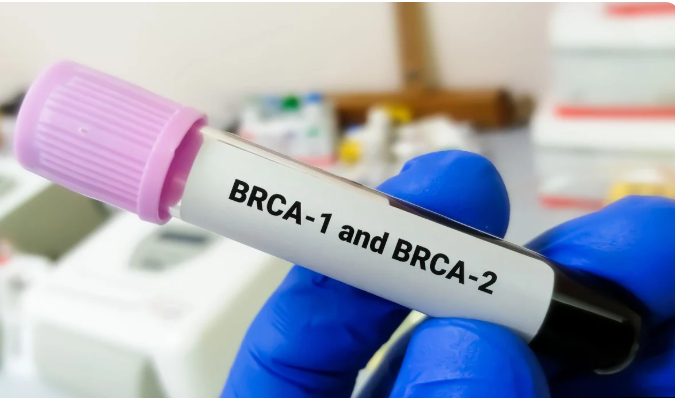
A BRCA Genetic Test Philippines service examines the BRCA1 and BRCA2 genes for certain genetic variants associated with hereditary cancer risk. These genes play important roles in repairing damaged DNA and helping maintain normal cellular function. When certain harmful variants affect their function, the risk of developing specific cancers may increase.
Everyone has BRCA1 and BRCA2 genes. Having these genes does not mean someone has a hereditary cancer condition. The concern arises when a person carries a pathogenic or likely pathogenic variant that affects normal gene function.
A BRCA genetic test can help identify these inherited variants. The findings may guide conversations about cancer screening, preventive measures, specialist referrals, and possible testing for relatives. The appropriate next steps depend on the specific result, personal medical history, family history, and professional assessment.
LabLog offers genetic testing services through its laboratory partnerships, including an ISO-certified partner laboratory. Anyone considering a BRCA Genetic Test Philippines service should confirm the exact test coverage, sample requirements, reporting process, and available support before proceeding.
Why BRCA1 and BRCA2 Genes Matter for Cancer Risk
Understanding the BRCA1 Gene
The BRCA1 gene helps repair damaged DNA and maintain genomic stability. When a harmful inherited variant disrupts its function, cells may become less effective at repairing certain types of DNA damage. This can contribute to a higher risk of developing particular cancers over a person’s lifetime.
BRCA1 pathogenic variants are strongly associated with hereditary breast and ovarian cancer risk. The degree of risk varies by individual, and factors such as age, family history, and other genetic or environmental influences may affect a person’s overall risk.
Identifying a harmful BRCA1 variant can help a healthcare professional discuss appropriate surveillance and risk management options.
Understanding the BRCA2 Gene
The BRCA2 gene also plays a major role in DNA repair. Certain inherited BRCA2 variants are associated with increased risks of breast and ovarian cancers, as well as prostate and pancreatic cancers.
Men can also carry BRCA2 variants and pass them to their children. Depending on the variant and individual circumstances, male carriers may have an increased risk of prostate cancer and male breast cancer.
A BRCA Genetic Test Philippines service can help identify relevant inherited variants in these genes, supporting more informed discussions about personal health and family risk.
How Inherited Genetic Variants Affect Families
Certain harmful BRCA variants follow an autosomal dominant inheritance pattern. A person who carries one of these variants has a 50% chance of passing it to each child, regardless of the child’s sex.
A person can inherit a variant from either parent. Family history may therefore include cancers among relatives on the mother’s or father’s side.
However, not every person who inherits a harmful BRCA variant develops cancer. A positive result indicates an increased risk rather than a guaranteed outcome. Genetic counseling can help individuals understand inheritance, possible implications for relatives, and the choices available after testing.
Who Should Consider a BRCA Genetic Test Philippines?
BRCA testing may be appropriate for people whose personal or family medical history suggests a hereditary cancer predisposition. A qualified healthcare professional can help determine whether testing is suitable and which test offers the most relevant information.
People who may benefit from assessment include:
- Individuals diagnosed with breast cancer, particularly at a younger age or with certain clinical features.
- Individuals diagnosed with ovarian, fallopian tube, or primary peritoneal cancer.
- Men with breast cancer or a family history that suggests inherited cancer risk.
- People with relatives diagnosed with pancreatic cancer or high-risk prostate cancer.
- Individuals with several family members affected by breast, ovarian, prostate, or pancreatic cancers.
- People with a known BRCA1 or BRCA2 pathogenic variant within their family.
- Individuals whose family history suggests hereditary breast and ovarian cancer syndrome.
These factors do not automatically mean a person carries an inherited variant. They indicate that a professional assessment may be useful.
A lack of known family history also does not rule out inherited risk. Families may have few relatives, incomplete medical records, limited knowledge of previous diagnoses, or a variant that has not yet been identified.
Before arranging a BRCA Genetic Test Philippines service, discuss your personal and family history with a healthcare professional who can help clarify the purpose and potential value of testing.
Signs Your Family History May Suggest Hereditary Cancer Risk
Certain patterns of cancer among relatives may suggest that inherited genetic factors deserve closer assessment. Recognizing these patterns can help families decide whether to seek medical advice about genetic testing.
Examples include breast cancer diagnosed at a younger age, ovarian cancer affecting one or more relatives, male breast cancer, and several relatives diagnosed with related cancers. A combination of breast, ovarian, pancreatic, or prostate cancers across generations may also warrant further evaluation.
The side of the family matters because inherited variants can pass through either parent. For example, a person may inherit a BRCA2 variant from a father who has never developed breast cancer or any other cancer associated with the variant.
These family patterns cannot confirm a BRCA variant on their own. Genetic testing and professional interpretation are needed to assess inherited risk appropriately.
For individuals with a concerning family history, a BRCA Genetic Test Philippines service may provide useful information to guide discussions about surveillance, preventive options, and possible testing for other relatives.
What Cancers Are Associated With BRCA1 and BRCA2 Variants?
Breast Cancer
Certain harmful BRCA1 and BRCA2 variants are associated with a higher lifetime risk of breast cancer. People who carry these variants may benefit from individualized screening recommendations based on their age, medical history, and genetic findings.
Depending on the person’s risk profile, a healthcare professional may recommend earlier or more frequent breast imaging, which can include mammography or breast MRI. The appropriate screening schedule should be determined through clinical assessment rather than genetic results alone.
Ovarian Cancer
BRCA1 and BRCA2 pathogenic variants are associated with an increased risk of ovarian cancer. These findings may affect discussions about preventive care and risk-reducing options.
Ovarian cancer risk management can be complex because routine screening methods have limitations for people who do not have symptoms. Individuals with a confirmed harmful variant should consult an appropriate specialist to discuss evidence-based options suited to their circumstances.
Prostate Cancer
Certain BRCA variants, especially some BRCA2 variants, are associated with an increased risk of prostate cancer. Genetic findings may influence discussions about prostate cancer risk assessment, screening, and treatment planning for affected individuals.
Men with a personal or family history of prostate cancer may benefit from discussing hereditary risk with their healthcare provider.
Pancreatic Cancer and Other Associated Cancers
Certain BRCA1 and BRCA2 variants are also associated with pancreatic cancer risk. The degree of risk varies according to the gene, variant, and other individual factors.
Some inherited variants may also be relevant to additional cancer risks. A qualified professional can explain which associations apply to a particular result and whether any additional surveillance is appropriate.
A BRCA Genetic Test Philippines service helps assess specific inherited genetic risks, but it does not determine with certainty whether a person will develop any of these cancers.
How Does BRCA Genetic Testing Work?
Understanding the testing process can help individuals feel more prepared before arranging a BRCA Genetic Test Philippines service. The exact procedure depends on the laboratory method and the type of genetic analysis requested.
Step 1 — Initial Assessment and Test Selection
The first step is to review your personal and family medical history with a qualified healthcare professional. This discussion helps determine whether BRCA testing is appropriate and whether a test focused on BRCA1 and BRCA2 or a broader hereditary cancer panel may offer more useful information.
You may be asked about relatives diagnosed with cancer, their ages at diagnosis, and whether anyone within your family has received genetic testing. Bringing available medical records or previous genetic test reports can help with this assessment.
Genetic counseling can also explain potential benefits, limitations, privacy considerations, and implications for relatives before you provide consent.
Step 2 — Sample Collection
BRCA genetic testing commonly uses a blood or saliva sample, depending on the laboratory’s validated procedure. Some genetic testing services may use a cheek swab, but available sample types vary by provider and test.
LabLog works with an ISO-certified partner laboratory to support its genetic testing services. Contact LabLog before scheduling your BRCA Genetic Test Philippines appointment to confirm the required sample, collection arrangements, preparation instructions, and available locations.
Step 3 — Laboratory Genetic Analysis
After collection, the sample undergoes genetic analysis according to the selected test’s methodology. The laboratory examines the genes covered by the test for reportable variants.
Test coverage matters because different methods can detect different types of genetic changes. Before testing, ask which variants or variant types are assessed, whether deletion and duplication analysis is included, and what limitations apply to the selected test.
LabLog’s partnership with an ISO-certified laboratory supports its approach to accessible genetic testing. For specific quality claims, patients should confirm the laboratory’s applicable certification, accreditation scope, and validation details for the test being requested.
Step 4 — Results and Professional Interpretation
Once the laboratory completes its analysis, the results are reported according to the provider’s process. A healthcare professional or genetic counselor can explain the findings, including whether they indicate an inherited cancer risk, whether further assessment may be appropriate, and what the results mean for family members.
The report should be interpreted alongside personal and family medical history. A BRCA Genetic Test Philippines result can help guide healthcare discussions, but it should not be used as the sole basis for major medical decisions.
How to Understand Your BRCA Genetic Test Results
BRCA genetic testing can produce several types of results. Understanding the differences helps prevent unnecessary worry and supports informed conversations with healthcare professionals. The National Cancer Institute explains the main categories and their potential implications for cancer risk. <Link url=”https://www.cancer.gov/about-cancer/causes-prevention/genetics/brca-fact-sheet” title=”Read the NCI’s BRCA genetic testing guide”/>.
Positive Result
A positive result generally means that the test identified a pathogenic or likely pathogenic variant associated with increased cancer risk.
This finding does not mean that you currently have cancer, nor does it guarantee that cancer will develop. Rather, it indicates that your risk may be higher than average for certain cancers, depending on the gene and variant identified.
Your healthcare professional may discuss more intensive screening, preventive medications, risk-reducing surgery for selected individuals, or referral to a specialist. The appropriate options depend on your circumstances and current clinical recommendations.
A positive result may also be relevant to blood relatives. Because certain BRCA variants can be inherited, relatives may wish to discuss targeted genetic testing with a qualified professional.
Negative Result
A negative result means the laboratory did not identify a reportable harmful variant among those assessed by the test. However, the meaning of a negative result depends on the family history and the scope of testing.
A true negative occurs when a person tests negative for a known harmful variant already identified within their family. This can provide important information about whether that specific variant was inherited.
An uninformative negative occurs when no harmful variant is found but the family history still suggests possible hereditary cancer risk. The test may not identify every genetic factor that contributes to cancer susceptibility.
A negative BRCA Genetic Test Philippines result does not eliminate all cancer risk. Continue recommended screening and discuss any concerning family history with your healthcare provider.
Variant of Uncertain Significance
Sometimes a test identifies a genetic change whose relationship to cancer risk remains unclear. This is called a variant of uncertain significance, or VUS.
A VUS is not the same as a confirmed harmful variant. Most such variants are eventually reclassified as benign as more evidence becomes available, although some may require further investigation.
Major medical decisions should generally not be based on a VUS alone. Instead, healthcare professionals assess the person’s medical history, family history, and other relevant risk factors. Follow-up may be appropriate if new evidence becomes available.
What Can You Do After Receiving Your BRCA Test Results?
A BRCA genetic test can provide valuable information, but its usefulness depends on how the findings are applied to an individual’s healthcare plan. A qualified professional can help determine which next steps are appropriate.
- Discuss personalized cancer screening. Depending on the result, age, and medical history, a healthcare professional may recommend earlier or more frequent breast screening, including MRI or mammography.
- Review preventive options. Selected individuals may consider medication or risk-reducing surgery after careful discussion with specialists about potential benefits, limitations, and consequences.
- Ask about other cancer risks. Some BRCA variants may affect prostate or pancreatic cancer risk. Discuss whether additional assessment or surveillance is appropriate for your specific circumstances.
- Consider family testing. When a pathogenic variant is identified, relatives may benefit from genetic counseling and testing for that particular variant.
- Maintain regular medical care. A positive or negative result does not replace routine checkups, evaluation of symptoms, or recommended screening.
- Seek emotional support when needed. Learning about inherited cancer risk can raise concerns about personal health and relatives. A genetic counselor or qualified healthcare professional can help address these concerns.
A BRCA Genetic Test Philippines service can help you prepare for these discussions, but decisions about surveillance and prevention should always reflect individual medical needs and informed preferences.
BRCA Genetic Testing vs. Routine Cancer Screening
Genetic testing and routine cancer screening serve different purposes. Understanding this distinction helps individuals choose appropriate services and avoid relying on a single test for every aspect of cancer prevention.
A BRCA genetic test examines inherited genetic variants associated with certain cancer risks. It does not directly determine whether cancer is currently present.
Routine cancer screening, by comparison, uses methods such as mammography to look for possible signs of disease before symptoms appear. Diagnostic procedures may be needed when symptoms or suspicious findings require further investigation.
A person with a harmful BRCA variant may need a different screening schedule from someone with average risk. However, people with negative genetic results may still require routine screening based on age, medical history, and other risk factors.
LabLog also offers genetic health screening services, including its Halo DNA and Genetic Health Screening offerings. Its broader hereditary cancer screening options may be relevant to individuals whose healthcare professionals recommend assessment beyond BRCA1 and BRCA2. Confirm the current panel contents and test coverage with LabLog before making a selection.
Why Choose LabLog for BRCA Genetic Test Philippines?
Choosing a genetic testing provider involves more than selecting a test. Patients should also consider laboratory quality, confidentiality, sample collection arrangements, and access to reliable information about their results.
Access to Advanced Genetic Testing
LabLog helps Filipino families and businesses access modern DNA testing and preventive screening through laboratory partnerships. Its services support individuals seeking genetic information that may contribute to more informed healthcare decisions.
For those considering a BRCA Genetic Test Philippines service, confirming the test’s scope and intended purpose is an important part of choosing the appropriate option.
ISO-Certified Laboratory Partnership
LabLog works with an ISO-certified partner laboratory to support its genetic testing services. Laboratory quality systems can help support consistent procedures, documentation, and quality management.
However, certification alone does not establish that every genetic test has the same coverage or clinical performance. Patients can ask which laboratory performs their analysis, which ISO standard applies, and whether the relevant test falls within the laboratory’s certified or accredited scope.
Confidentiality and Patient-Focused Support
Genetic information is personal and may have implications for relatives as well as the person tested. LabLog identifies secure and confidential service as a core part of its approach to healthcare technology.
Before testing, ask how your sample and genetic report will be handled, who may access your results, how long information is retained, and whether results may be shared with another provider. Clear answers can help you make an informed decision about consent and privacy.
Nationwide Collection Network
LabLog provides access to DNA testing and screening services through a network of partner clinics and collection centers across the Philippines. This network can help patients explore available collection options without assuming that every test is offered at every location.
Contact LabLog to confirm the nearest participating collection center, current availability, sample requirements, and appointment arrangements for a BRCA Genetic Test Philippines service.
Genetic Screening for Preventive Health Planning
LabLog’s broader service range includes paternity DNA testing, legal DNA testing, prenatal screening, immigration DNA testing, and genetic health screening. Its focus on preventive healthcare makes genetic testing one part of a wider effort to help people access useful health information.
Genetic screening is most valuable when the findings are understood correctly and followed by appropriate professional guidance. LabLog can help patients inquire about available testing services and the steps required to arrange collection.
How Much Does a BRCA Genetic Test Cost in the Philippines?
The price of a BRCA Genetic Test Philippines service may vary according to the test’s coverage, laboratory method, sample collection arrangements, and any included consultation or interpretation services.
A test focused on BRCA1 and BRCA2 may differ in price from a broader hereditary cancer panel that examines additional genes. Other factors may include sample transport, laboratory processing, and the level of professional support provided.
Before paying for a test, ask LabLog for an updated quotation and clarify the following:
- Which genes and variant types are covered?
- Does the quoted price include sample collection and laboratory processing?
- Is genetic counseling or professional result interpretation available?
- What is the estimated turnaround time?
- Are follow-up consultations or additional services billed separately?
Avoid comparing tests by price alone. A lower-cost option may not assess the same genetic variants or provide the same level of clinical support. The right test should match the individual’s clinical needs and the recommendations of a qualified healthcare professional.
LabLog can confirm current prices, service availability, and payment arrangements directly.
How to Prepare for a BRCA Genetic Test
Preparation can help make the testing process clearer and ensure that the selected test addresses your concerns.
Start by gathering information about cancer diagnoses among close relatives, including the type of cancer and approximate age at diagnosis. If a relative has already undergone genetic testing, ask whether their report is available for review.
Discuss your reasons for testing with a healthcare professional. You may wish to understand a family history of cancer, clarify your own risk, or learn whether relatives could benefit from targeted testing.
Ask the testing provider about sample collection, identification requirements, preparation instructions, estimated turnaround time, and result delivery. Blood, saliva, and cheek-swab procedures may have different requirements, so follow the instructions for the specific test.
It is also useful to consider how you might respond to different results. A positive result, negative result, or VUS can each raise different questions. Genetic counseling can help you understand the possible implications before testing and identify appropriate sources of support afterward.
For a BRCA Genetic Test Philippines appointment through LabLog, confirm the collection location and available arrangements before visiting a partner clinic.
Take the Next Step Toward Understanding Your Hereditary Cancer Risk
Understanding inherited cancer risk can help individuals make more informed choices about screening, prevention, and long-term health planning. A BRCA Genetic Test Philippines service can identify certain inherited variants associated with increased cancer risk and provide information that may guide conversations with qualified healthcare professionals.
For Filipino families concerned about hereditary cancer, genetic testing can be a starting point for learning more about personal and family health risks. Results should always be interpreted alongside medical history and appropriate clinical guidance, with careful attention to the limitations of testing.
LabLog supports access to modern DNA testing and preventive genetic screening through its laboratory partnerships, confidentiality-focused approach, and nationwide collection network. Contact LabLog to ask about its BRCA testing service, available collection centers, sample requirements, and current pricing.
Understand your risk. Take control of your future. Ask LabLog about BRCA Genetic Test Philippines and take an informed step toward preventive health planning.
Frequently Asked Questions About BRCA Genetic Test Philippines
What is a BRCA genetic test used for?
A BRCA genetic test examines BRCA1 and BRCA2 for certain inherited genetic variants associated with increased risks of cancers such as breast, ovarian, prostate, and pancreatic cancer. Results can help guide conversations about screening, prevention, and family testing.
Who should get tested for BRCA1 and BRCA2?
Testing may be appropriate for individuals with a personal or family history of certain cancers, people with a known familial BRCA variant, or those whose medical history suggests hereditary cancer risk. A qualified healthcare professional can help determine whether testing is suitable.
Does a positive BRCA result mean I will develop cancer?
No. A positive result indicates that a harmful or likely harmful variant associated with increased risk was identified. It does not establish a cancer diagnosis or predict with certainty whether or when cancer will develop.
Can men benefit from BRCA genetic testing?
Yes. Men can inherit and pass on BRCA variants. Certain variants are associated with increased risks of prostate cancer, male breast cancer, and pancreatic cancer. Results may guide discussions about appropriate screening and family testing.
Does a negative BRCA test mean I cannot develop breast or ovarian cancer?
No. A negative result does not eliminate cancer risk. Its meaning depends on whether a harmful variant is already known within the family, which genes were assessed, and the person’s other risk factors.
Is BRCA testing the same as a cancer screening test?
No. BRCA testing assesses inherited genetic risk, while routine cancer screening looks for possible signs of disease. Genetic findings may influence screening recommendations, but genetic testing does not replace routine or clinically indicated cancer screening.
How long does BRCA genetic testing take in the Philippines?
Turnaround time depends on the laboratory, testing method, sample transport, and report review process. Contact LabLog to ask for the current estimated processing time for its BRCA Genetic Test Philippines service.
Where can I get a BRCA Genetic Test Philippines?
LabLog provides DNA testing and genetic screening services through laboratory partnerships and a nationwide collection network. Contact LabLog to confirm whether BRCA testing is currently available at your preferred location and to ask about booking, sample collection, and pricing.
Can a BRCA genetic test help my family?
Yes. If a pathogenic variant is identified, biological relatives may have a chance of carrying the same variant. Genetic counseling and targeted testing can help eligible relatives understand their own risk and discuss appropriate healthcare options.
Should I get a BRCA genetic test even without a family history of cancer?
Not everyone needs BRCA testing. Some individuals without a known family history may still have reasons to consider testing, but the decision depends on personal circumstances, clinical guidance, and the purpose of the test. A healthcare professional can help assess whether testing may be useful.