Understanding Total Knee Replacement
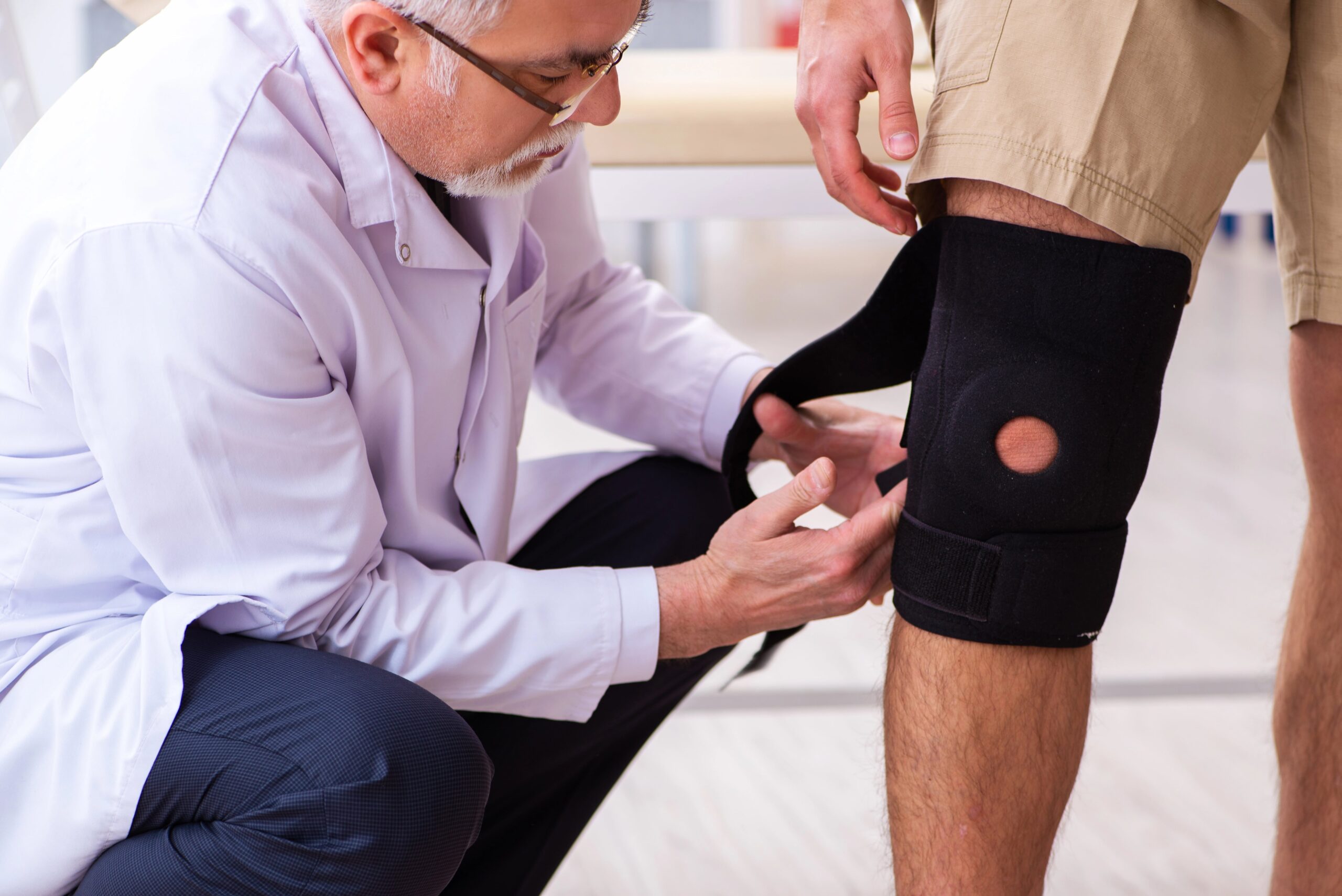
Total knee replacement, often abbreviated as TKR, is a surgical procedure designed to relieve pain and restore function in severely damaged knees. Typically recommended for individuals with advanced osteoarthritis, rheumatoid arthritis, or traumatic knee injuries, this procedure replaces damaged joint surfaces with artificial implants. The goal is to improve mobility, reduce chronic pain, and enhance overall quality of life. Many patients notice significant improvement in their ability to walk, climb stairs, and perform daily activities. Advances in surgical techniques and prosthetic materials have made TKR safer and more durable than ever before. Patients also benefit from personalized rehabilitation programs that support faster recovery and long-term joint health. Understanding the procedure, expected outcomes, and potential risks is crucial for anyone considering total knee replacement abroad.
Reasons Patients Choose Total Knee Replacement Abroad
Undergoing total knee replacement abroad has become an attractive option for many patients seeking high-quality care at a lower cost. One of the primary motivations is the significant cost difference compared to domestic procedures, particularly in the United States. Patients often find that traveling to countries like India, Thailand, Mexico, or Turkey can save thousands of dollars while still receiving advanced medical care. Another key factor is access to highly skilled orthopedic surgeons and state-of-the-art medical facilities, which may not be readily available locally. Shorter waiting times for surgery abroad can also be a compelling reason, especially for patients experiencing severe pain or limited mobility. Additionally, some patients view the opportunity as a way to combine necessary medical care with travel, allowing for a restorative experience in a new destination. Overall, choosing total knee replacement abroad provides patients with options that prioritize quality, convenience, and cost-effectiveness.
Popular Destinations for Knee Replacement Surgery Abroad
Several countries have gained international recognition for excellence in orthopedic care. India, for instance, is known for its world-class hospitals, experienced surgeons, and cost-effective packages for total knee replacement abroad. Thailand has become a hub for medical tourism, offering modern hospitals with internationally accredited orthopedic departments. Mexico attracts many North American patients due to its proximity and competitive pricing without compromising quality. Turkey is emerging as a strong option with hospitals that meet European and American medical standards. When evaluating these destinations, patients should look for hospitals accredited by international bodies such as JCI (Joint Commission International) to ensure safety and quality. Researching surgeons’ credentials, hospital facilities, and patient outcomes is essential for making an informed decision. These factors collectively influence both the success of the surgery and the overall patient experience.
How to Prepare for Surgery Abroad
Proper preparation is essential for a successful total knee replacement abroad. Patients should start by thoroughly researching hospitals, surgeons, and available packages to find the best match for their needs. Understanding the full cost, including surgery, hospital stay, travel, accommodation, and rehabilitation, helps prevent unexpected expenses. Medical evaluations such as blood tests, X-rays, or MRIs are often required before surgery and may need to be coordinated with the chosen hospital. Travel insurance that covers medical procedures, post-op complications, and emergency evacuation is highly recommended. Preparing for recovery involves arranging accommodations that support mobility, such as hotels with elevators or temporary wheelchair access. Patients should also compile medical documents, vaccination records, and a detailed medication list. Taking these steps in advance ensures a smoother surgical experience and minimizes stress during travel.
The Knee Replacement Procedure Step-by-Step
The total knee replacement procedure begins with a thorough pre-surgery assessment and consultation with the orthopedic surgeon. During surgery, patients receive anesthesia—either general or regional—before the surgeon makes an incision over the knee joint. Damaged bone and cartilage are carefully removed, and metal or ceramic implants are fitted to recreate the joint surface. A plastic spacer is inserted between the implants to allow smooth movement and reduce friction. The incision is then closed with sutures or staples, and the knee is bandaged. Surgery typically lasts between one to two hours, followed by a hospital stay ranging from two to five days, depending on the patient’s recovery. Immediate post-op care focuses on pain management, preventing infections, and initiating gentle movement to prevent stiffness. Understanding each stage helps patients prepare mentally and physically for their knee replacement abroad.
Recovery and Rehabilitation Abroad
Recovery after total knee replacement abroad is a critical component of achieving optimal results. Most hospitals provide structured physical therapy programs tailored to individual patient needs. Therapy often begins within 24 hours of surgery and focuses on improving range of motion, strengthening muscles, and gradually increasing mobility. Patients are usually encouraged to walk short distances using assistive devices such as walkers or crutches. Pain and swelling management is an essential part of recovery, often involving medication, ice therapy, and elevation techniques. International patients need to coordinate follow-up care with local physicians once they return home, ensuring continuity in rehabilitation. Travel plans should allow sufficient time for initial recovery before long flights, reducing the risk of complications. Following professional guidance during rehabilitation significantly increases the likelihood of long-term knee function and satisfaction.
Risks and Safety Considerations
While total knee replacement abroad offers many benefits, it is important to be aware of potential risks. Common complications include infection, blood clots, implant loosening, and nerve damage, though these are generally rare with proper surgical protocols. Ensuring the hospital meets international hygiene and safety standards is vital to minimize these risks. Patients should verify surgeons’ credentials, experience, and history of successful knee replacements. It is also recommended to have a contingency plan in case complications arise after returning home, including access to local healthcare providers familiar with TKR procedures. Patients should maintain realistic expectations about recovery timelines, possible discomfort, and post-op limitations. Taking proactive measures and following medical advice significantly reduces the likelihood of adverse outcomes. Understanding these considerations helps patients make informed decisions and ensures a safer surgical experience abroad.
Cost Comparison: Domestic vs. Abroad
One of the strongest incentives for total knee replacement abroad is the cost advantage. In the United States, knee replacement surgeries can cost between $35,000 and $70,000, depending on insurance coverage, hospital, and surgeon fees. Abroad, countries like India or Mexico often offer comprehensive packages ranging from $8,000 to $15,000, which usually include surgery, hospital stay, post-operative care, and rehabilitation. Thailand and Turkey may range slightly higher but still provide substantial savings compared to domestic costs. Patients should also consider hidden expenses, such as travel, accommodation, meals, and physical therapy, to understand the true cost. A detailed comparison allows patients to weigh financial savings against convenience, quality, and personal preferences. Budgeting carefully ensures a smoother experience and avoids financial stress during the medical journey.
Patient Experiences and Satisfaction Factors
Patient satisfaction depends on multiple factors, including surgeon expertise, quality of hospital care, and effectiveness of rehabilitation programs. Positive outcomes are often associated with proper pre-op preparation, adherence to physical therapy, and realistic expectations. Many international hospitals provide multilingual support and personalized attention to accommodate foreign patients. Patient reviews, online ratings, and testimonials can offer insights, but it is important to evaluate them critically to avoid misleading information. Cultural differences, communication barriers, and travel logistics also influence overall satisfaction. Understanding these elements helps patients prepare for potential challenges and ensures a more comfortable experience. Satisfaction is maximized when patients actively participate in their care and maintain open communication with their medical team.
Frequently Asked Questions (FAQ)
How long will I stay in the hospital after knee replacement abroad?
Hospital stays typically range from two to five days, depending on your recovery speed and the hospital’s protocol.
Is the quality of surgery abroad comparable to the U.S.?
Many internationally accredited hospitals follow strict surgical standards, often matching or exceeding domestic quality.
What should I pack for my medical trip?
Pack essential documents, medications, comfortable clothing, mobility aids, and any items recommended by your surgeon or hospital.
How soon can I resume normal activities and work?
Most patients return to light activities within 4-6 weeks, but full recovery and high-impact activities may take 3-6 months.
Will my insurance cover complications abroad?
It depends on your insurance plan; travel and medical coverage should be verified prior to surgery.
How do I ensure proper post-op follow-up when I return home?
Coordinate with your local physician, provide them with your surgical records, and maintain regular check-ins as advised by your overseas surgeon.