
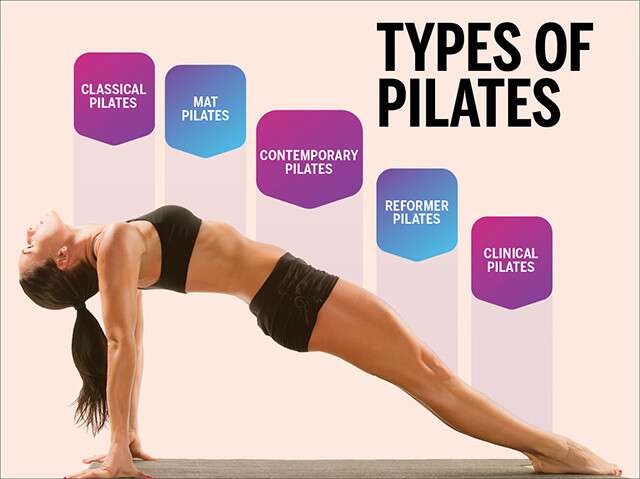
Therapeutic Pilates has become a popular method for improving strength, flexibility, posture, and overall body awareness while supporting recovery from injuries or chronic conditions. Unlike traditional fitness-focused Pilates, therapeutic Pilates integrates rehabilitative principles to meet the needs of individuals under the care of physical therapists. At Osteopractic Physical Therapy of Central Indiana (OPTCI), licensed physical therapists guide every session, ensuring exercises are safe, effective, and tailored to each participant’s needs.
What Is Therapeutic Pilates?
Therapeutic Pilates is a specialized form of Pilates designed to support rehabilitation, enhance mobility, and improve core strength while addressing individual physical limitations. Joseph H. Pilates, a German-born athlete, created the original method to promote harmony between mind and body. This approach emphasizes controlled movements, proper alignment, and deep breathing techniques. At OPTCI, therapeutic Pilates is adapted for patients recovering from orthopedic injuries, managing chronic pain, or seeking to prevent future injuries.
Sessions focus on controlled exercises that strengthen the core, improve spinal stability, increase joint mobility, and enhance overall balance. Unlike standard Pilates classes, therapeutic Pilates sessions are led by licensed physical therapists who have expertise in anatomy, biomechanics, and rehabilitative exercise. This ensures that each movement supports recovery goals while minimizing the risk of strain or injury.
Benefits of Therapeutic Pilates
Therapeutic Pilates offers numerous benefits for patients, athletes, and individuals looking to improve overall body function. A primary advantage is core strengthening. The core includes muscles of the abdomen, back, and pelvis, which are essential for stability and proper posture. Strengthening the core supports the spine, reduces the risk of injury, and improves balance during daily activities.
Improved posture is another key benefit of therapeutic Pilates. Many people develop habits that contribute to poor posture, including prolonged sitting, repetitive movements, and weak core muscles. Therapeutic Pilates emphasizes proper spinal alignment and postural awareness, which can relieve back and neck pain, enhance movement efficiency, and increase confidence.
Flexibility and joint mobility are enhanced through slow, controlled movements. Therapeutic Pilates encourages muscles to lengthen while maintaining stability, which reduces stiffness and improves range of motion. This is particularly beneficial for patients recovering from injuries, surgeries, or chronic conditions such as arthritis.
Therapeutic Pilates also offers cardiovascular and respiratory benefits. Focused breathing techniques increase lung capacity, enhance circulation, and support relaxation. Patients often report feeling more centered, balanced, and aware of their body during daily activities.
Finally, therapeutic Pilates supports mental well-being by fostering a deeper connection between the mind and body. Concentrating on movement, alignment, and breath helps reduce stress, improve focus, and promote a sense of accomplishment.
How Therapeutic Pilates Supports Physical Therapy
Therapeutic Pilates complements traditional physical therapy by accelerating recovery and maintaining long-term results. Many patients at OPTCI participate in Pilates alongside their physical therapy treatment sessions. This dual approach helps reinforce proper movement patterns, strengthens muscles targeted during therapy, and enhances overall functional performance.
For example, a patient recovering from knee surgery may work on therapeutic Pilates exercises that strengthen supporting muscles, improve joint alignment, and restore balance. Patients recovering from back injuries may use therapeutic Pilates to improve spinal stability, core engagement, and posture, which reduces the likelihood of reinjury.
The licensed physical therapists at OPTCI design therapeutic Pilates programs to align with each patient’s therapy goals. Exercises are adjusted based on progress, physical limitations, and individual needs, creating a personalized path to recovery. This team-based approach ensures consistency, safety, and measurable results.
What to Expect in a Session
The first therapeutic Pilates session begins with a discussion about medical history, past injuries, current physical activities, and rehabilitation goals. Understanding the patient’s background allows the therapist to design a session that addresses specific needs and ensures safety.
Sessions typically start with gentle exercises to introduce patients to proper technique, core engagement, and postural alignment. The therapist demonstrates each movement, monitors execution, and provides hands-on guidance when needed.
Breathing is a key component of therapeutic Pilates. Proper breathing enhances oxygen delivery to muscles, supports relaxation, and helps coordinate movement. Patients learn how to engage their diaphragm and core simultaneously, which improves efficiency and stability during exercises.
As patients progress, exercises become more challenging, focusing on strength, flexibility, balance, and endurance. Equipment such as Pilates reformers, resistance bands, or stability balls may be incorporated to support movement and add variety. Sessions are always tailored to the patient’s abilities, ensuring a safe and effective experience.
Who Can Benefit From Therapeutic Pilates?
Therapeutic Pilates is suitable for a wide range of individuals. Patients recovering from orthopedic surgery, injuries, or chronic conditions can benefit from exercises designed to restore mobility and strength. Those with back pain, neck pain, or joint stiffness often find relief through improved posture and spinal stability.
Athletes and active individuals can use therapeutic Pilates to prevent injuries, enhance performance, and maintain flexibility. Older adults benefit from improved balance, strength, and joint function, which reduces the risk of falls and supports independence.
Even individuals without injuries can gain from therapeutic Pilates. Exercises promote core strength, correct posture, and efficient movement patterns, making daily activities easier and improving overall fitness. The adaptability of therapeutic Pilates makes it accessible to all fitness levels.
Why Choose OPTCI for Therapeutic Pilates
OPTCI is led by licensed physical therapists trained in both rehabilitative and fitness-based Pilates. The clinic emphasizes personalized care, safety, and measurable outcomes. Private sessions allow therapists to monitor technique, correct alignment, and tailor exercises to the patient’s goals.
Therapeutic Pilates at OPTCI is designed to complement physical therapy, enhance recovery, and support long-term strength and mobility. Patients benefit from a team-based approach where therapists apply clinical expertise, evidence-based techniques, and individualized programming.
Sessions are open to the community, making therapeutic Pilates accessible for anyone looking to improve strength, posture, and overall body awareness. The combination of skilled therapists, personalized programming, and a supportive environment makes OPTCI a trusted choice for therapeutic Pilates in Fishers, IN.
Tips for Maximizing Therapeutic Pilates Benefits
Consistency is key when practicing therapeutic Pilates. Regular sessions allow patients to build strength, improve flexibility, and reinforce proper movement patterns.
Focusing on form rather than speed ensures exercises are safe and effective. Engaging the core, maintaining alignment, and controlling movements enhances the benefits of each exercise.
Combining therapeutic Pilates with other forms of rehabilitation, such as physical therapy exercises or functional movement training, can accelerate recovery and optimize results.
Patients should communicate openly with their therapist about any pain, discomfort, or limitations during exercises. Adjustments can be made to ensure continued progress without risk of injury.
Takeaway
Therapeutic Pilates provides a structured, safe, and effective approach to improving strength, flexibility, posture, and overall body awareness. By combining rehabilitation principles with controlled movement and core-focused exercises, patients can recover from injuries, manage chronic conditions, and maintain long-term mobility. OPTCI offers personalized therapeutic Pilates sessions led by licensed physical therapists, ensuring exercises meet individual needs and goals. Whether recovering from surgery, managing pain, or seeking to improve overall body function, therapeutic Pilates offers a practical and beneficial solution. Schedule a session at OPTCI to experience the benefits of therapeutic Pilates under the guidance of skilled professionals.
FAQ About Therapeutic Pilates
What makes therapeutic Pilates different from regular Pilates?
Therapeutic Pilates is tailored for rehabilitation, recovery, and injury prevention. It is led by licensed physical therapists who design exercises based on each patient’s needs, whereas regular Pilates classes focus primarily on fitness and general wellness.
Can therapeutic Pilates help with back pain?
Yes. Therapeutic Pilates emphasizes core strength, spinal stability, and posture, all of which help reduce back pain and prevent future injuries.
Is therapeutic Pilates suitable for seniors?
Absolutely. Therapeutic Pilates improves balance, strength, and joint mobility, which can reduce fall risk and enhance independence for older adults.
Do I need prior Pilates experience?
No prior experience is required. Therapeutic Pilates sessions are designed to meet patients at their current fitness and mobility level, progressing safely over time.
How often should I attend therapeutic Pilates sessions?
Frequency depends on individual goals and physical therapy needs. Many patients benefit from 1-3 sessions per week, adjusted by the therapist based on progress.
Can therapeutic Pilates be combined with other treatments?
Yes. Therapeutic Pilates complements physical therapy, strength training, and rehabilitation exercises, supporting recovery and long-term mobility.