
Abscess Incision and Drainage is a minor surgical procedure designed to remove pus caused by infection beneath the skin or within deeper tissues. This procedure addresses abscesses that develop due to blocked glands, bacterial infections, cysts, boils, or small injuries that allow bacteria to enter the body. Abscesses often present as painful, swollen lumps that are warm or tender to the touch. Without treatment, an abscess rarely resolves on its own, and infection may spread to surrounding tissues or trigger fever. Abscess Incision and Drainage is the standard treatment for these infections because it opens the abscess, allowing pus to drain while promoting natural healing. Early intervention reduces pain, prevents further complications, and accelerates recovery. At The Specialist Surgery & Cancer Center in Quezon City, the procedure is performed in a clean, infection-controlled clinic setting, offering patients a safe and efficient alternative to hospital stays.
Causes of Abscess Formation
Understanding what causes an abscess helps patients identify risk factors and seek timely care. Abscesses can form from several sources, including blocked sebaceous glands, skin infections such as boils, cysts that become infected, and minor cuts or abrasions that introduce bacteria into the skin. Chronic conditions like diabetes or hidradenitis suppurativa increase susceptibility to abscess formation. Repeated friction, sweating, and occupational skin trauma can also contribute to the development of abscesses. Certain types of bacteria, including Staphylococcus aureus, are commonly involved in skin abscesses. Early recognition of the signs and symptoms, followed by prompt Abscess Incision and Drainage, can prevent the infection from worsening or spreading.
Signs and Symptoms That Indicate Abscess Incision and Drainage Is Needed
Patients should seek medical evaluation when they notice signs of an abscess. Common symptoms include a swollen, painful lump filled with pus, redness or warmth around the affected area, and tenderness to the touch. Systemic symptoms such as fever or body aches may accompany severe infections. Abscesses that develop from ingrown hairs, cysts, boils, insect bites, or minor injuries should also be evaluated promptly. Patients with recurring abscesses or chronic conditions are advised to consider early consultation to prevent further complications. Abscess Incision and Drainage performed by qualified doctors ensures proper treatment, relief from pain, and reduces the risk of the infection spreading to other parts of the body.
Who Should Consider Abscess Incision and Drainage
Abscess Incision and Drainage is suitable for a wide range of patients. Adults, teenagers, and seniors who develop abscesses can benefit from this procedure. Patients with diabetes, weakened immune systems, or skin conditions like hidradenitis suppurativa are at higher risk for recurrent abscesses and may require timely intervention. Individuals experiencing abscesses that do not improve with home remedies or antibiotics should also seek medical care. Patients across Quezon City, Metro Manila, and nearby regions can access outpatient Abscess Incision and Drainage at TSSCC, which offers a safe, efficient, and comfortable alternative to hospital care. Early evaluation and treatment are particularly beneficial for those prone to skin infections due to lifestyle or occupational factors.
How Abscess Incision and Drainage Is Performed
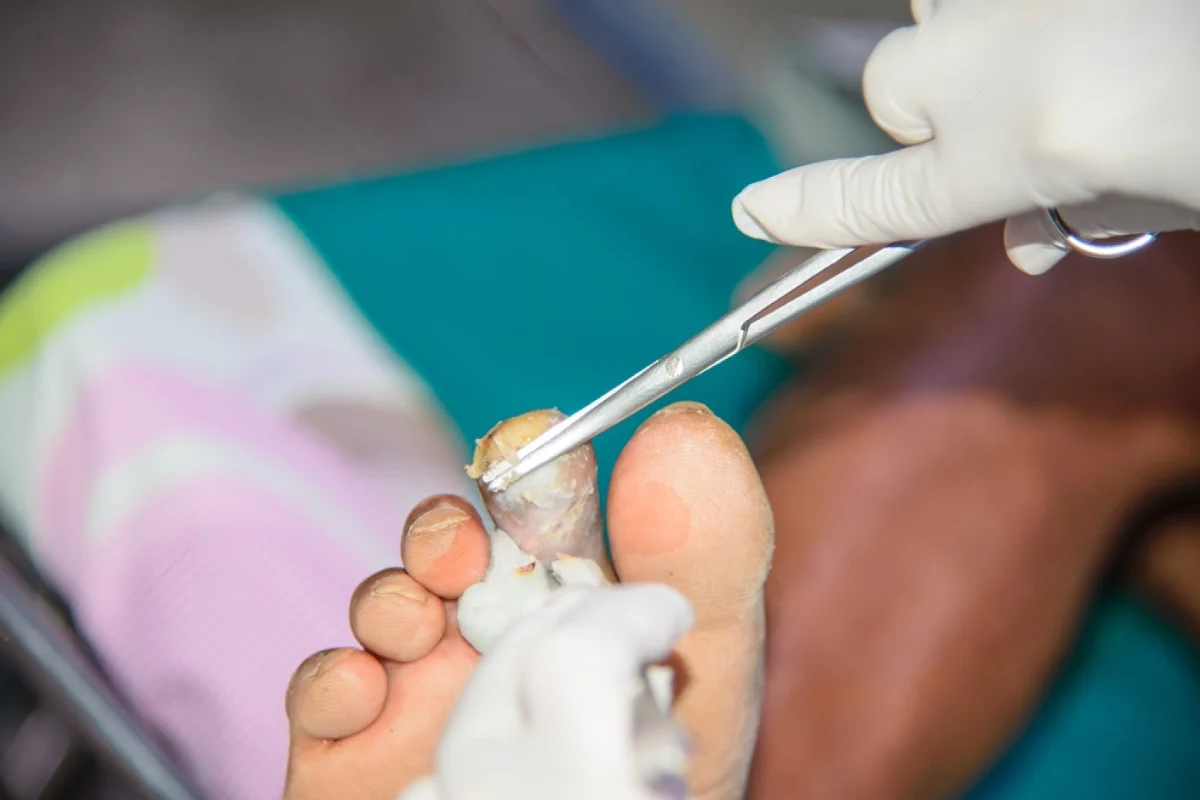
Abscess Incision and Drainage is a straightforward outpatient procedure carried out under sterile conditions by trained medical professionals. The affected area is first cleaned and numbed with local anesthesia. A small incision is made over the abscess to allow pus and fluid to drain completely. Doctors may use gentle pressure to remove additional pus and may insert a small sterile packing or drain to keep the incision open for continued drainage if needed. After drainage, the wound is dressed, and patients receive instructions for home care to prevent reinfection and ensure proper healing. The procedure is quick, minimizes discomfort, and allows patients to return home on the same day, making it a practical alternative to hospital-based care.
Recovery After Abscess Incision and Drainage
Recovery from Abscess Incision and Drainage typically involves minimal downtime. Patients may experience mild pain, swelling, or tenderness at the site for a few days. Doctors at TSSCC provide guidance on wound care, hygiene, and follow-up appointments to monitor healing. It is important to keep the area clean, change dressings as instructed, and avoid activities that may irritate the wound. Antibiotics may be prescribed if there is a high risk of spreading infection. Most patients notice significant relief from pain and swelling within a few days, and complete healing usually occurs within one to two weeks depending on the abscess size and location. Proper aftercare and adherence to medical advice are critical for preventing recurrence and ensuring full recovery.
Benefits of Choosing TSSCC for Abscess Incision and Drainage
TSSCC offers safe, efficient, and patient-focused care for abscess treatment. Performing Abscess Incision and Drainage in a clinic setting reduces the need for hospital admission, lowers treatment costs, and ensures patients receive personalized attention. TSSCC’s infection-controlled environment prioritizes safety while providing expert surgical support. Patients benefit from early evaluation, accurate diagnosis, and treatment by experienced medical professionals. The clinic is well-equipped to manage abscesses in adults, teens, seniors, and individuals with chronic conditions. Choosing TSSCC ensures a smooth, comfortable experience focused on both treatment and prevention, helping patients avoid complications and promote long-term skin health.
Preventing Recurring Abscesses
Preventing abscess recurrence involves maintaining good skin hygiene, treating minor wounds promptly, and managing underlying health conditions such as diabetes. Patients prone to abscesses should avoid prolonged friction or irritation in vulnerable areas and follow medical advice for chronic skin conditions. Timely evaluation of any suspicious lumps or infections can prevent abscesses from worsening. Regular check-ups and early intervention with Abscess Incision and Drainage when needed help reduce the risk of repeated infections. TSSCC provides guidance for patients on prevention strategies, ongoing monitoring, and education on how to minimize factors that contribute to abscess formation.
Frequently Asked Questions (FAQ)
How long does the procedure take?
Abscess Incision and Drainage is typically completed within 20 to 40 minutes, depending on the abscess size and location.
Is the procedure painful?
Local anesthesia ensures that patients experience minimal discomfort during the procedure. Mild soreness may occur afterward.
Can abscesses heal without drainage?
Small abscesses may occasionally resolve on their own, but most abscesses require drainage to prevent worsening infection and complications.
When should I see a doctor?
Seek medical care if you notice a painful, swollen lump filled with pus, redness, warmth, tenderness, or systemic symptoms like fever.
Can the abscess come back after drainage?
Recurrence is possible, especially for patients with chronic conditions or poor wound care. Following post-procedure instructions and managing underlying conditions reduces the risk.
Is the procedure safe for diabetics?
Yes, Abscess Incision and Drainage is safe for patients with diabetes, although careful monitoring and wound care are essential to prevent complications.
How soon can I return to normal activities?
Most patients can resume daily activities within a few days, depending on the procedure’s complexity and wound healing.