Understanding the recovery timeline for Incision and Drainage is essential for anyone undergoing this common procedure. Abscesses and other localized infections often require Incision and Drainage to remove pus, relieve pressure, and prevent the infection from spreading. Knowing what to expect during each phase of healing can help patients manage pain, care for the wound properly, and avoid complications. The Specialists Surgery & Cancer Center provides expert Incision and Drainage services, ensuring safe procedures and guidance throughout recovery.
What is Incision and Drainage?
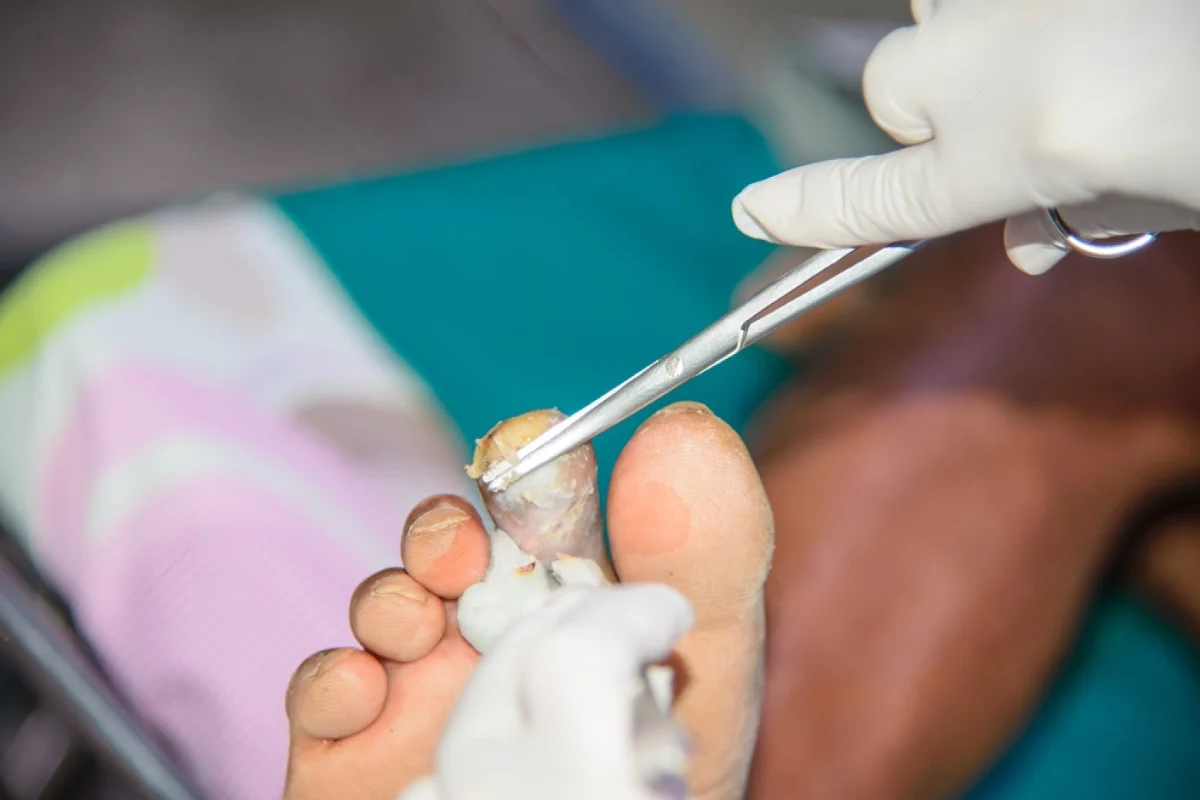
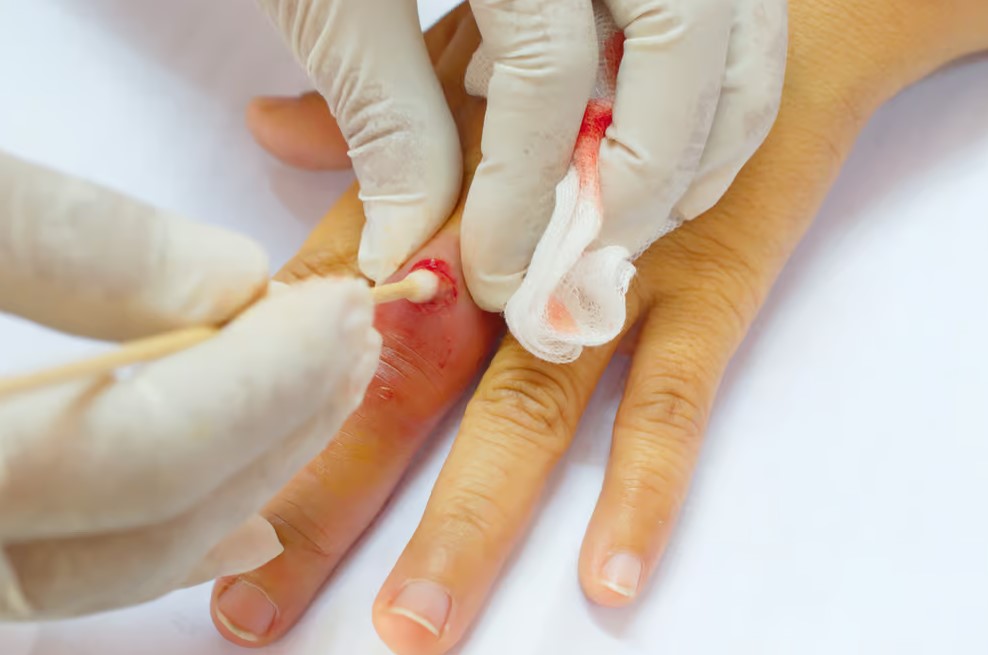
Incision and Drainage, often abbreviated as I&D, is a minor surgical procedure performed to treat abscesses and localized infections. During the procedure, a small incision is made in the skin to allow the infected fluid or pus to drain out. This not only reduces pain and swelling but also prevents the infection from worsening. Certain types of abscesses, including skin abscesses, dental abscesses, and deep tissue infections, commonly require Incision and Drainage. Understanding the recovery timeline is important to ensure the wound heals properly and to prevent recurrence.
Immediate Post-Procedure Recovery (0–48 Hours)
The first 48 hours after Incision and Drainage are crucial. Patients may experience pain, swelling, redness, and mild oozing at the site of the incision. Proper care during this period helps prevent complications. The Specialists Surgery & Cancer Center emphasizes keeping the wound clean, changing dressings as instructed, and managing discomfort with prescribed pain relief. It is normal for some drainage to continue during this stage, but sudden fever, excessive bleeding, or worsening pain may indicate a problem that requires immediate medical attention.
Early Recovery Phase (3–7 Days)
During the first week after Incision and Drainage, most patients begin to notice reduced swelling and the formation of granulation tissue, which is a sign that healing has started. Daily care involves gentle cleaning, maintaining hygiene, and monitoring for signs of infection such as foul odor or pus accumulation. Pain typically decreases, allowing for more comfortable movement. Following the instructions provided by The Specialists Surgery & Cancer Center is key to ensuring the wound heals without complications.
Mid-Recovery Phase (1–2 Weeks)
Between one and two weeks after Incision and Drainage, the wound generally starts to shrink and new tissue covers the incision site. Patients can often resume light daily activities but should avoid strenuous exercises or movements that put pressure on the affected area. A follow-up appointment with your healthcare provider is important to evaluate the progress of healing and determine if additional care, such as packing changes or minor procedures, is needed. During this stage, adherence to wound care instructions plays a critical role in preventing infection and promoting full recovery.
Late Recovery and Full Healing (2–6 Weeks)
Complete healing following Incision and Drainage can take anywhere from two to six weeks, depending on the size and location of the abscess, overall health, and proper wound care. The incision should close completely, and pain should be minimal or absent. Scarring is usually minor if the wound is cared for properly. Persistent swelling, discharge, or redness may indicate delayed healing or infection. The Specialists Surgery & Cancer Center provides ongoing support and guidance to ensure patients reach full recovery safely and effectively.
Factors That Can Affect Recovery Time
Several factors can influence how quickly a patient recovers from Incision and Drainage. Chronic conditions like diabetes or immune system disorders can slow healing. The size and depth of the abscess, the location of the incision, and how closely wound care instructions are followed also impact recovery time. Choosing a trusted provider like The Specialists Surgery & Cancer Center ensures professional assessment, proper technique, and personalized advice to minimize recovery delays.
Tips to Speed Up Recovery
Proper care after Incision and Drainage significantly enhances healing speed. Always keep the wound clean, follow dressing change instructions, and take medications as prescribed. Maintaining good nutrition and hydration supports tissue repair. Avoiding activities that strain the affected area can prevent reopening or infection. Regular follow-ups with The Specialists Surgery & Cancer Center allow early detection of potential issues, keeping the recovery process smooth.
When to Seek Medical Attention During Recovery
Even with careful care, some complications may arise. Seek medical attention if you notice increasing redness, swelling, warmth, foul-smelling discharge, persistent fever, or severe pain. These may indicate a secondary infection or improper healing. Early intervention by The Specialists Surgery & Cancer Center can prevent further complications and ensure the wound heals fully.
Takeaway
Recovering from Incision and Drainage is a gradual process that varies by individual and abscess characteristics. Following each stage of the recovery timeline, maintaining proper wound care, and consulting with experts like The Specialists Surgery & Cancer Center ensures safe healing and minimizes complications. Understanding what to expect during immediate, early, mid, and late recovery phases empowers patients to manage their healing effectively and return to normal activities with confidence.
Frequently Asked Questions (FAQs)
How long does it take to fully recover from Incision and Drainage?
Full recovery usually occurs within two to six weeks, depending on the abscess size, location, and individual health factors.
Can I resume normal activities after Incision and Drainage?
Light daily activities are generally safe after a few days, but strenuous exercise should be avoided until the wound is fully healed.
Will I have scarring after Incision and Drainage?
Scarring is usually minimal if the wound is cared for properly. Follow-up care and wound management can reduce visible marks.
What should I do if the wound shows signs of infection?
Contact The Specialists Surgery & Cancer Center immediately. Early treatment prevents further complications.
Can abscesses come back after Incision and Drainage?
Recurrence is possible, especially if underlying causes are not addressed. Proper hygiene, care, and medical follow-up reduce the risk.