
Understanding Varicocele and Its Impact on Men’s Health
Varicocele is a medical condition that occurs when veins within the scrotum become enlarged due to poor blood circulation. These veins are responsible for carrying blood away from the testicles, and when valves fail, blood pools and creates pressure. This condition is often compared to varicose veins in the legs but occurs in a more sensitive area of the body. Varicocele is most commonly diagnosed in adolescents and adult men and may worsen over time if not addressed. Many men are unaware they have the condition until symptoms develop or fertility testing is performed. The presence of varicocele can affect sperm production, testicular temperature, and overall reproductive health. Understanding how varicocele affects the body is an important step toward deciding whether Varicocele Removal is the right option.
Common Signs and Symptoms That Lead to Varicocele Removal
Symptoms of varicocele vary from person to person, with some men experiencing mild discomfort and others facing persistent pain. A dull aching sensation in the scrotum is one of the most commonly reported signs. Some individuals notice a feeling of heaviness that worsens after physical activity or prolonged standing. Visible or enlarged veins may appear on one side of the scrotum, often described as a twisted or rope like texture. Fertility issues can also be a key symptom, especially when semen quality is affected. Hormonal changes such as reduced testosterone levels may occur in more advanced cases. These symptoms often prompt men to explore Varicocele Removal as a long term solution.
Medical Reasons Doctors Recommend Varicocele Removal
Healthcare providers recommend Varicocele Removal when symptoms interfere with daily life or reproductive goals. Chronic scrotal pain that does not improve with conservative care is a strong medical indication. Fertility concerns play a significant role, especially when abnormal sperm count or motility is linked to varicocele. Testicular shrinkage or changes in size can also signal the need for intervention. In adolescents, doctors may suggest treatment to prevent future reproductive complications. Hormonal imbalances associated with varicocele can impact energy levels and overall well being. Medical evaluation helps determine whether removal offers meaningful benefits for long term health.
Diagnostic Process Before Varicocele Removal
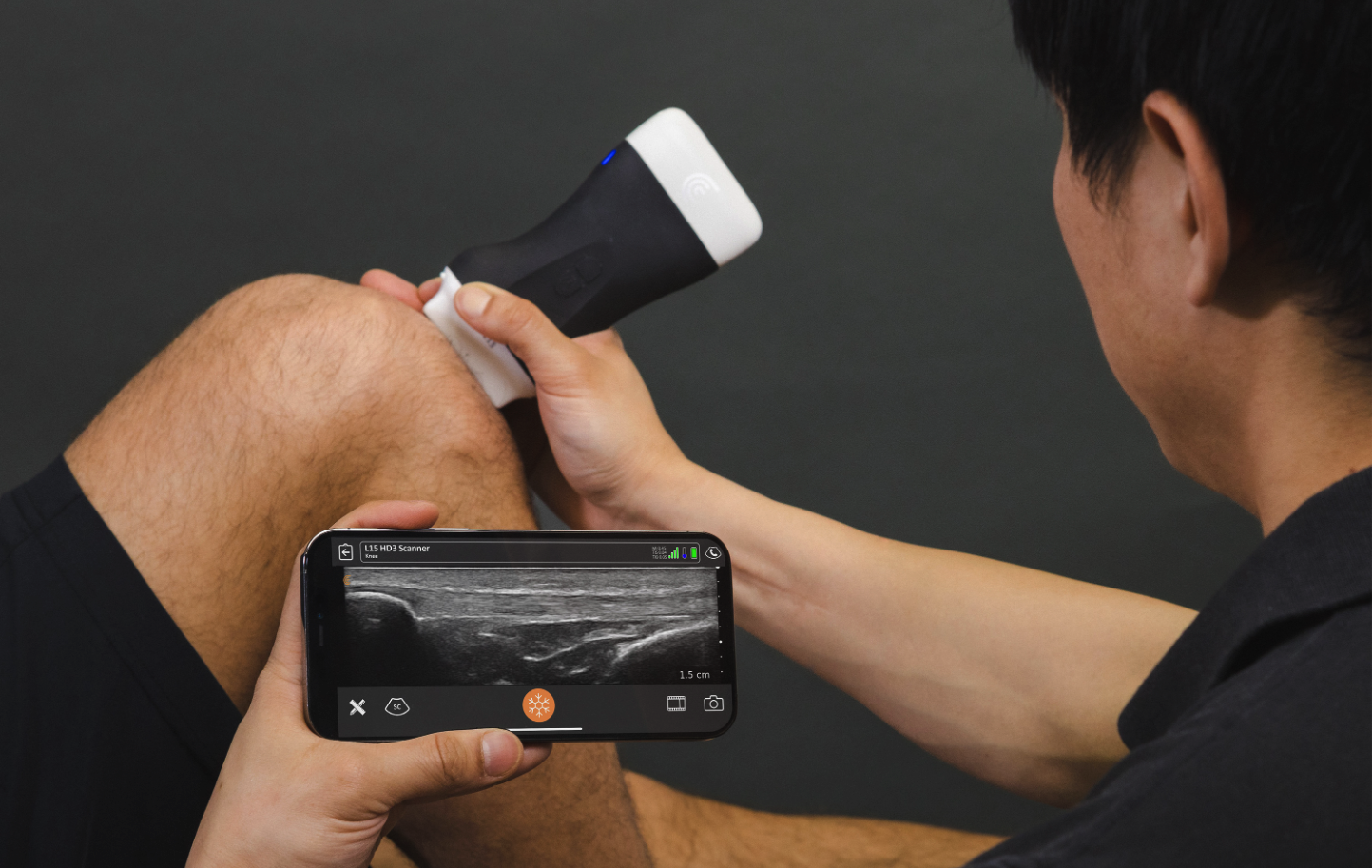
The diagnostic process begins with a detailed physical examination conducted by a healthcare professional. During this exam, the veins are assessed while the patient is standing and performing specific breathing techniques. Imaging tests such as ultrasound provide a clearer view of blood flow and vein size. Semen analysis may be ordered for patients concerned about fertility outcomes. Hormone testing helps evaluate testosterone and related markers. The severity of the condition is often graded to guide treatment decisions. Accurate diagnosis ensures that Varicocele Removal is both appropriate and beneficial.
Overview of Varicocele Removal Procedures
Varicocele Removal focuses on redirecting blood flow away from affected veins to restore healthy circulation. There are both surgical and non surgical approaches available depending on patient needs. The choice of procedure is influenced by age, symptom severity, and fertility goals. Some treatments involve physically tying off problematic veins, while others block them internally. Each method aims to reduce pressure and improve testicular function. Recovery times and risks vary between techniques. Understanding these options helps patients make informed decisions about Varicocele Removal.
Surgical Varicocele Removal Techniques
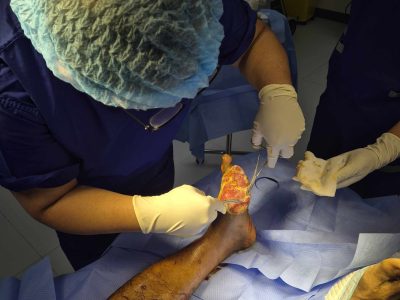
Surgical approaches are widely used due to their long term effectiveness. Open surgery involves accessing the affected veins through a small incision. Microsurgical techniques use magnification to precisely target veins while protecting surrounding tissue. Laparoscopic surgery relies on small instruments and a camera to perform the procedure with minimal disruption. These methods differ in recovery time and recurrence rates. Surgeons often recommend microsurgery due to its high success rate. Surgical Varicocele Removal is typically performed under anesthesia for patient comfort.
Non Surgical Varicocele Removal Options
Non surgical treatment focuses on blocking blood flow without incisions. Percutaneous embolization is the most common option in this category. During the procedure, a catheter is guided through a vein to the affected area. Small coils or agents are placed to seal off the problematic veins. This approach is minimally invasive and often completed on the same day. Patients who prefer shorter recovery periods may find this option appealing. Not all individuals are candidates, so evaluation is essential before choosing non surgical Varicocele Removal.
Preparing for Varicocele Removal
Preparation begins with a thorough review of medical history and current medications. Patients may be advised to stop certain drugs before treatment. Fasting instructions are sometimes required depending on the procedure type. Lifestyle adjustments such as reducing strenuous activity may be recommended. Clear communication with the medical team helps reduce anxiety. Understanding what to expect improves confidence going into Varicocele Removal. Proper preparation contributes to smoother recovery outcomes.
What Happens During Varicocele Removal
The experience varies based on the selected treatment method. Most procedures are performed in a clinical or hospital setting. Anesthesia or local numbing ensures patient comfort throughout the process. The healthcare provider carefully addresses only the affected veins. The duration typically ranges from less than an hour to a few hours. Many patients return home the same day. Knowing what happens during Varicocele Removal helps set realistic expectations.
Recovery Timeline After Varicocele Removal
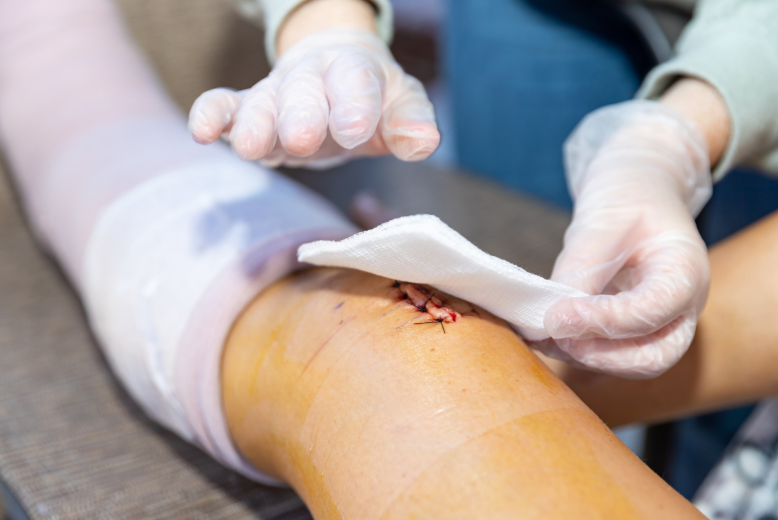
Recovery begins immediately after the procedure and continues over several weeks. Mild swelling and discomfort are common in the early days. Supportive garments may be recommended to aid healing. Physical activity is usually limited at first and gradually increased. Follow up visits allow providers to monitor progress. Fertility improvements may take several months to become noticeable. Recovery timelines vary but most patients resume normal routines with improved comfort.
Key Recovery Milestones to Expect
- Initial rest and symptom management during the first few days
- Gradual reduction of swelling and discomfort within the first week
- Return to light daily activities after medical clearance
- Follow up evaluations to assess healing and circulation
- Monitoring fertility markers over several months
Potential Risks and Complications of Varicocele Removal
As with any medical procedure, risks exist but are generally low. Temporary pain or bruising may occur at the treatment site. Infection is rare but possible with surgical approaches. Fluid buildup around the testicle can develop in some cases. Recurrence of varicocele may happen if veins are not fully addressed. Serious complications are uncommon when performed by experienced providers. Understanding risks allows patients to weigh the benefits of Varicocele Removal confidently.
Benefits of Varicocele Removal for Fertility and Wellness
One of the most significant benefits is improved sperm quality and count. Many men experience relief from chronic discomfort after treatment. Hormonal balance may improve leading to increased energy and vitality. Testicular health is often restored over time. Emotional well being can also improve as fertility concerns are addressed. These benefits contribute to overall quality of life. Varicocele Removal offers both physical and reproductive advantages.
Long Term Results and Lifestyle After Varicocele Removal
Long term outcomes depend on the severity of the condition and treatment type. Many patients maintain improved circulation and comfort for years. Regular medical checkups help ensure ongoing testicular health. Exercise and daily activities can usually resume without restriction. Fertility improvements may continue gradually. Healthy lifestyle choices support sustained benefits. Varicocele Removal often leads to lasting positive changes.
Cost Considerations and Insurance Coverage
The cost of Varicocele Removal varies by procedure and location. Surgical approaches may differ in pricing compared to non surgical options. Insurance coverage often depends on medical necessity. Fertility related treatments may require documentation. Patients should discuss financial details with providers in advance. Transparent planning reduces unexpected expenses. Understanding costs helps patients prepare effectively.
Frequently Asked Questions About Varicocele Removal
Is Varicocele Removal always necessary
Not all cases require treatment, especially when symptoms are mild. Medical evaluation determines whether removal is beneficial.
How long does it take to recover from Varicocele Removal
Most patients recover within weeks, though fertility improvements may take months.
Can varicocele return after removal
Recurrence is possible but less likely with advanced surgical techniques.
Is Varicocele Removal painful
Discomfort is usually mild and managed with medication.
Does Varicocele Removal improve testosterone levels
Some men experience hormonal improvement following treatment.
When can normal activities resume
Light activities resume quickly, while strenuous exercise may require clearance.
Takeaway
Varicocele Removal is a proven treatment that addresses pain fertility concerns and long term testicular health. Understanding symptoms diagnostic steps and available procedures empowers men to make informed decisions. With proper medical guidance and recovery care many individuals experience lasting improvements in comfort and reproductive wellness.