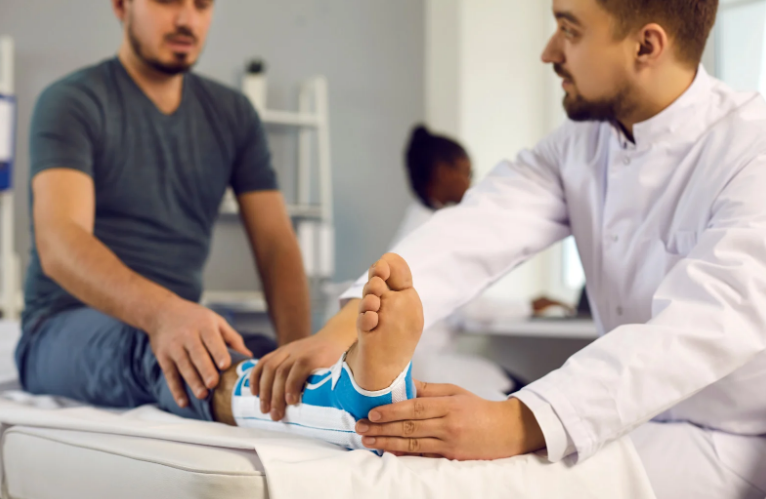
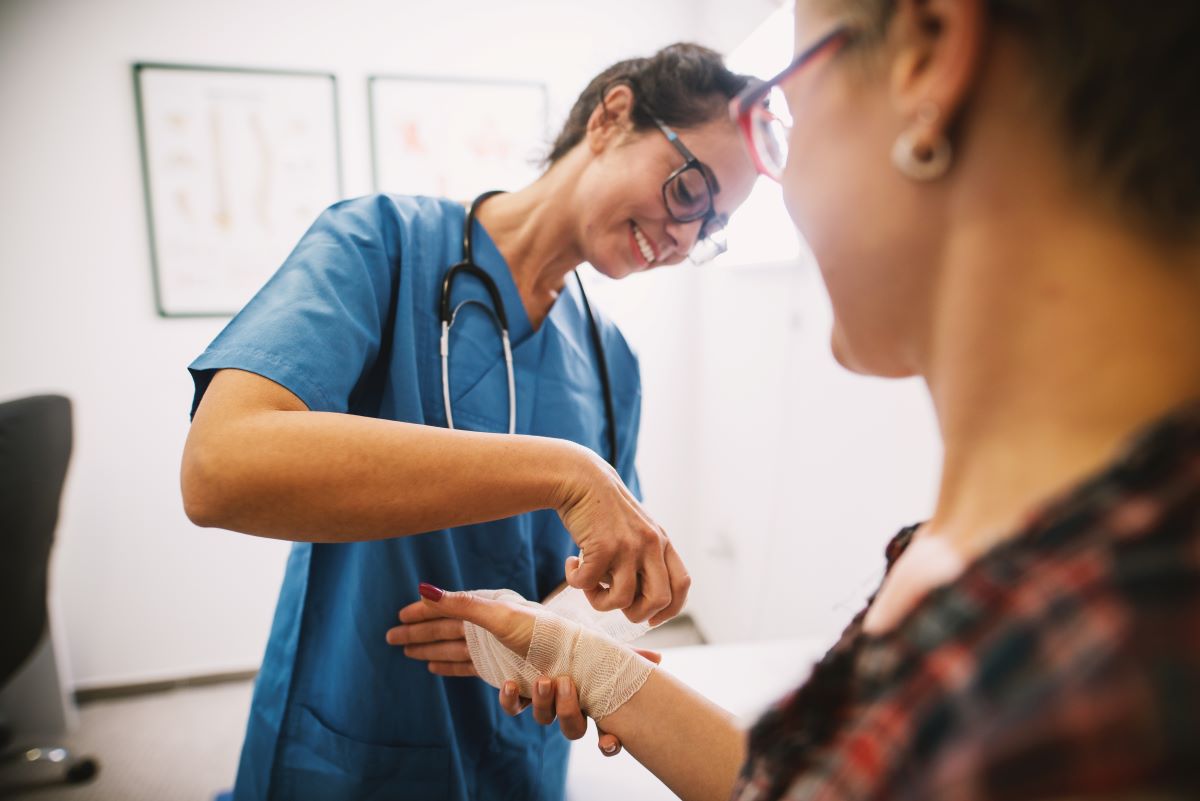
A wound care nurse is a specialized healthcare professional dedicated to promoting healing, preventing complications, and improving the overall well-being of patients with various types of wounds. These nurses play a critical role in both acute and chronic wound management, ensuring that patients receive the right care at the right time. They are trained to handle wounds caused by surgery, diabetes, pressure ulcers, burns, and other medical conditions. Their expertise goes beyond basic nursing tasks, combining clinical knowledge with advanced wound care techniques to achieve optimal outcomes. In hospitals, clinics, and home health settings, wound care nurses serve as essential advocates for patient health, helping to reduce infection risks and accelerate recovery. Their role is not only medical but also educational, as they guide patients and caregivers in proper wound care practices. Patients benefit greatly from their specialized knowledge, often experiencing faster healing and a better quality of life.
Wound care nurses undergo extensive training and education to develop their expertise. Most start as registered nurses (RNs) or hold a Bachelor of Science in Nursing (BSN) degree before pursuing specialized certifications. Certifications such as the Wound, Ostomy, and Continence Nurse (WOCN), Certified Wound Specialist (CWS), and Certified Wound Care Nurse (CWCN) are highly regarded in the field. Continuous education is crucial because wound care technologies and treatment strategies evolve rapidly. Training often includes mastering advanced dressings, learning about bioengineered skin substitutes, and understanding sophisticated therapies like negative pressure wound therapy. Practical experience is equally important, as nurses learn to assess complex wounds, monitor healing progress, and adjust treatment plans accordingly. The combination of formal education, certification, and hands-on experience equips wound care nurses to handle challenging cases with confidence.
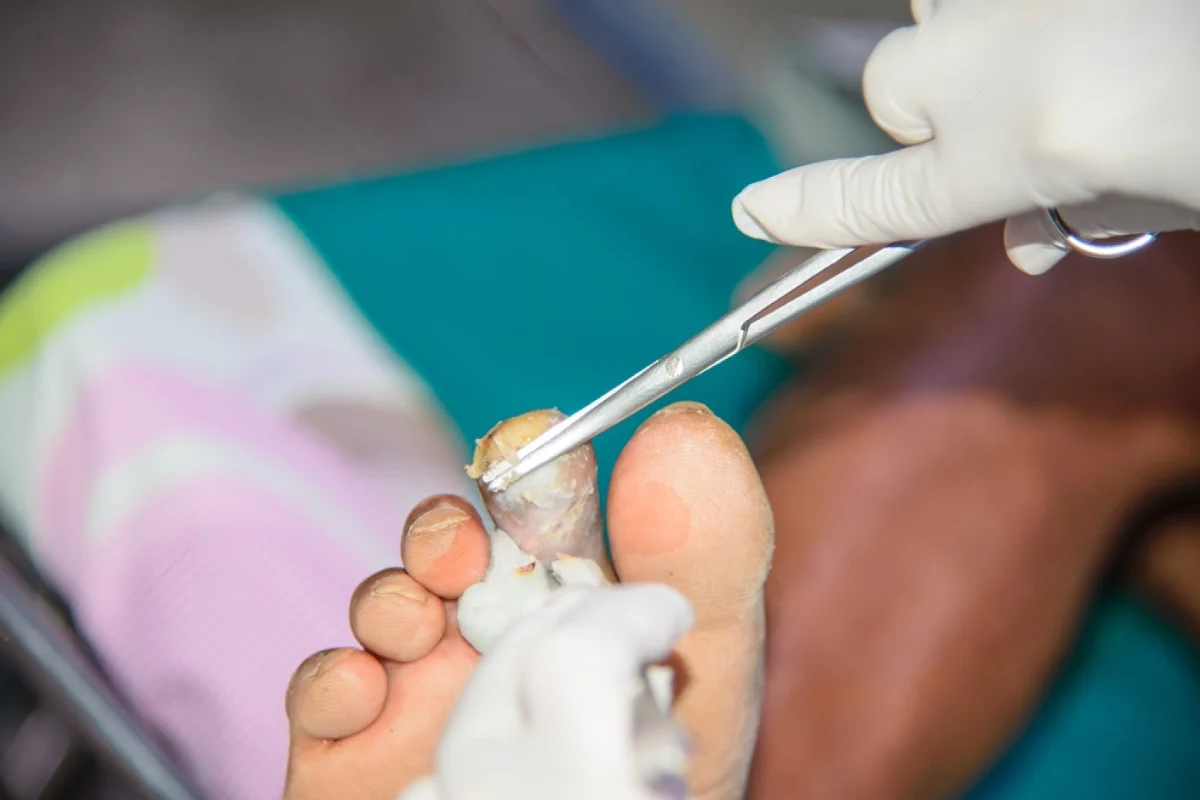
Daily responsibilities of a wound care nurse are diverse and highly specialized. They begin with a thorough assessment of the patient’s wound, noting size, depth, appearance, and signs of infection. Developing an individualized care plan tailored to each patient’s needs is a key part of their role. They perform dressing changes using sterile techniques and advanced wound care products while monitoring the wound for any signs of deterioration. Infection prevention is always a priority, as wounds are highly susceptible to complications. Wound care nurses also document every procedure and communicate updates with physicians and other healthcare providers. Their role requires both technical skill and compassionate care, as they often support patients dealing with pain, anxiety, or mobility limitations. By combining assessment, treatment, and patient education, wound care nurses ensure that recovery is both safe and efficient.
Advanced techniques and tools have transformed wound care, allowing nurses to provide more effective treatments. These may include:
- Negative pressure wound therapy, which uses controlled suction to promote faster healing
- Bioengineered skin substitutes that stimulate tissue regeneration
- Hyperbaric oxygen therapy to increase oxygen supply to damaged tissues
- Advanced dressings with antimicrobial properties to prevent infection
- Topical agents tailored to the specific type of wound
Mastering these tools requires specialized training and continuous learning. Wound care nurses are skilled in selecting the most appropriate treatment for each patient, taking into account the wound type, patient health, and expected recovery time. They monitor the effectiveness of these interventions and adjust care plans as needed, ensuring that the patient benefits from the latest advancements in wound healing.
Patient education and advocacy are essential components of wound care nursing. Nurses teach patients and caregivers how to perform daily wound care at home safely, including proper cleaning, dressing techniques, and infection prevention. They provide guidance on nutrition, mobility, and lifestyle adjustments that can enhance healing. Educating patients also involves addressing concerns about chronic wounds, explaining the healing process, and offering emotional support. This proactive approach empowers patients to take an active role in their recovery, reducing complications and improving long-term outcomes. Wound care nurses act as advocates for their patients, ensuring that they receive timely interventions and appropriate resources. Their guidance often bridges the gap between hospital care and home care, promoting continuity and consistency in treatment.
Collaboration within the healthcare team is another critical aspect of wound care nursing. Wound care nurses frequently work alongside physicians, physical therapists, dietitians, and other specialists to ensure comprehensive care. They communicate wound progress, report complications, and contribute to multidisciplinary treatment plans. Coordination is particularly important for patients with complex or non-healing wounds, who may require multiple interventions simultaneously. Nurses also assist in arranging referrals to specialists or advanced therapies when necessary. This team-based approach improves patient outcomes, prevents unnecessary hospital readmissions, and enhances overall care quality. Effective collaboration ensures that every patient receives a well-rounded and holistic treatment plan tailored to their unique needs.
Despite the rewards, wound care nursing presents several challenges. Managing chronic wounds requires patience, skill, and emotional resilience, as healing can be slow and setbacks are common. Nurses may encounter non-compliant patients or those with multiple health issues, which can complicate treatment. The physical demands of frequent dressing changes and long hours on their feet can be taxing. Staying current with the latest wound care techniques and technologies also requires commitment and dedication. Emotional strain may occur when treating patients with severe or life-altering wounds. However, many nurses find satisfaction in witnessing the positive impact of their care on patient recovery and quality of life. These challenges are balanced by the opportunity to make a meaningful difference in patients’ lives every day.
The impact of wound care nurses on patient outcomes is significant. Their interventions can accelerate healing, reduce infection rates, and prevent complications that might otherwise lead to hospitalization. By educating patients and caregivers, they promote adherence to treatment plans, which is crucial for managing chronic wounds effectively. Wound care nurses also help reduce healthcare costs by preventing prolonged hospital stays and repeated treatments. Patients benefit not only physically but emotionally, as proper wound care enhances comfort and mobility. In long-term care settings, these nurses play a vital role in maintaining patient dignity and independence. The presence of a skilled wound care nurse can transform a challenging medical condition into a manageable and recoverable situation.
Career growth opportunities in wound care nursing are extensive. Experienced nurses may become clinical educators, consultants, or researchers, advancing the field of wound management. They can work in hospitals, outpatient clinics, home healthcare, long-term care facilities, and specialized wound care centers. Salaries are competitive, and demand for skilled wound care nurses continues to grow due to aging populations and increasing chronic conditions. Professional development includes attending workshops, obtaining advanced certifications, and participating in research to improve wound care techniques. Wound care nursing offers a fulfilling career path for those passionate about patient care, medical innovation, and continuous learning.
Frequently Asked Questions (FAQ)
1. What qualifications are needed to become a wound care nurse?
A wound care nurse typically starts as a registered nurse (RN) and may obtain certifications such as WOCN, CWS, or CWCN. Additional specialized training in wound assessment and treatment is essential.
2. How long does it take to specialize in wound care nursing?
Specialization may take 1 to 3 years, depending on certification requirements and clinical experience. Continuous education is necessary to stay updated with new techniques.
3. What types of wounds can a wound care nurse treat?
Wound care nurses manage surgical wounds, pressure ulcers, diabetic wounds, burns, traumatic injuries, and chronic non-healing wounds.
4. Can wound care nurses work independently or only under a doctor’s supervision?
While they often collaborate with physicians, experienced wound care nurses can make autonomous clinical decisions regarding wound assessment, treatment, and patient education within their scope of practice.
5. How does a wound care nurse help prevent wound complications at home?
They teach proper cleaning, dressing, infection prevention, nutrition, and mobility strategies to promote healing and avoid complications outside of a clinical setting.
Takeaway
A wound care nurse plays a pivotal role in healthcare by combining clinical expertise, advanced techniques, and compassionate patient education. They are essential in managing complex wounds, preventing complications, and improving the quality of life for patients across various healthcare settings. Their specialized knowledge, collaboration with multidisciplinary teams, and dedication to patient advocacy make them indispensable in modern medical care. For anyone seeking to understand or pursue this career, the field of wound care nursing offers meaningful challenges, continuous learning, and the satisfaction of making a tangible difference in patients’ lives.