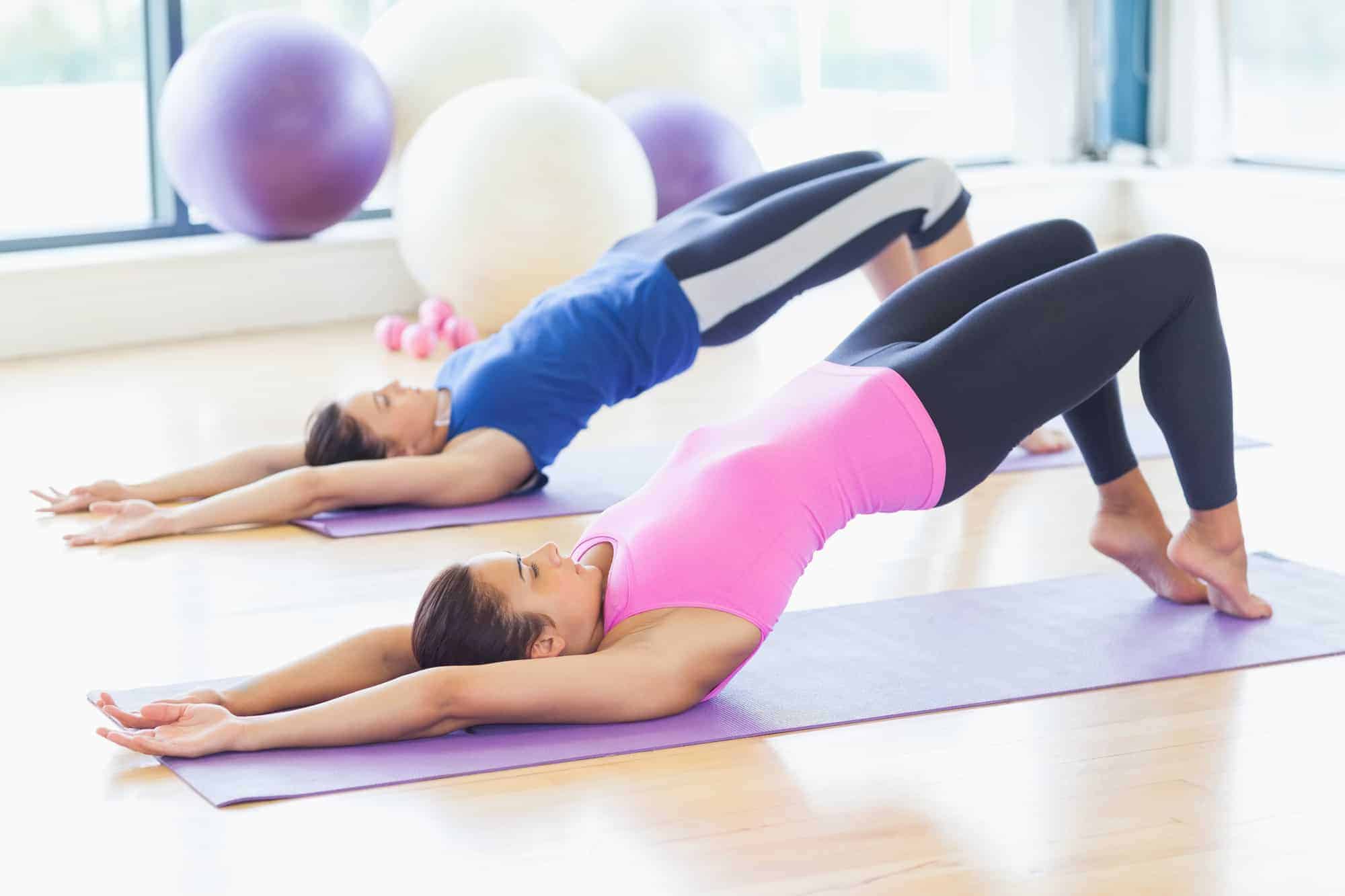
Chronic pain, stiffness, and weakness can affect daily life and limit movement. PT Pilates offers a solution that combines therapeutic exercise with physical therapy expertise to reduce pain and build strength safely. Osteopractic Physical Therapy of Central Indiana provides expert PT Pilates programs designed to help patients regain mobility, improve strength, and prevent further injury.
What Is PT Pilates?
PT Pilates, or Physical Therapy-based Pilates, is a specialized form of Pilates guided by licensed physical therapists. Unlike traditional Pilates classes, PT Pilates focuses on individualized treatment plans that target specific movement patterns, muscular imbalances, and areas of pain. Physical therapists at Osteopractic Physical Therapy of Central Indiana ensure that exercises are performed safely and effectively, maximizing both pain relief and functional strength.
How PT Pilates Addresses the Root Cause of Pain
Identifying Movement Dysfunction
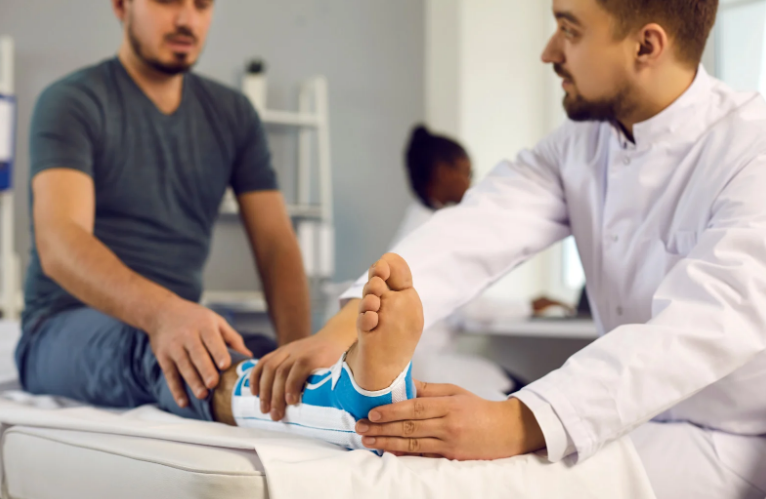
PT Pilates starts with a detailed assessment of movement patterns and muscle function. Physical therapists identify weak muscles, tight areas, and postural misalignments that often contribute to pain. By correcting these dysfunctions, PT Pilates addresses the root cause rather than just masking symptoms.
Improving Alignment and Body Awareness
Controlled PT Pilates movements enhance posture and body awareness. Patients learn to activate the correct muscles, engage the core, and move with proper alignment. This neuromuscular retraining reduces strain on joints and prevents future injury, providing long-term pain relief.
How PT Pilates Helps Reduce Pain
Gentle, Low-Impact Movements
PT Pilates exercises are low-impact, making them ideal for people with joint pain, back issues, or recovery needs. Osteopractic Physical Therapy of Central Indiana designs each session to protect sensitive areas while promoting healing and mobility.
Improved Joint Mobility and Flexibility
PT Pilates increases flexibility and mobility through precise, controlled movements. Patients experience reduced stiffness, improved range of motion, and decreased tension in overworked muscles, making daily activities easier and more comfortable.
Decreased Inflammation and Muscle Guarding
Breathing techniques and slow, mindful movements in PT Pilates help relax tense muscles and reduce inflammation. This approach minimizes pain and promotes a sense of well-being, enhancing the body’s natural healing process.
How PT Pilates Builds Strength Safely
Deep Core Muscle Activation
PT Pilates emphasizes core engagement, targeting muscles like the transverse abdominis, pelvic floor, and spinal stabilizers. Strong core muscles support the spine, improve posture, and reduce the risk of pain flare-ups.
Balanced Muscle Development
Exercises are designed to strengthen weak muscles while gently stretching tight areas. PT Pilates encourages balanced muscle development, preventing overcompensation and promoting functional strength that supports everyday movement.
Progressive Strength Without Overload
PT Pilates gradually increases resistance and complexity, allowing patients to build strength safely without risking injury. Osteopractic Physical Therapy of Central Indiana customizes progression for each patient, ensuring consistent improvement.
Conditions That Benefit from PT Pilates
- Chronic back and neck pain
- Shoulder, hip, and knee discomfort
- Post-surgical rehabilitation
- Arthritis and joint degeneration
- Pelvic floor dysfunction
- Sports-related injuries
Who Is a Good Candidate for PT Pilates?
PT Pilates is suitable for individuals experiencing chronic or recurring pain, recovering from injury or surgery, athletes seeking performance improvement, older adults aiming for balance and strength, and beginners looking for a safe, guided exercise program. Osteopractic Physical Therapy of Central Indiana tailors PT Pilates sessions to each patient’s needs and goals.
PT Pilates vs Traditional Exercise Programs
| PT Pilates | Traditional Workouts |
|---|---|
| Guided by physical therapists | Self-guided or group classes |
| Focused on pain relief and rehabilitation | Focused on general fitness |
| Corrects movement dysfunction | May reinforce poor patterns |
| Low-impact and controlled | Can be high-impact and risky |
What to Expect in a PT Pilates Session
Patients begin with an assessment to identify movement limitations and areas of pain. Sessions use mat-based exercises or specialized equipment like reformers. Emphasis is placed on precision, controlled breathing, and proper muscle engagement. Osteopractic Physical Therapy of Central Indiana ensures that each session addresses both pain relief and strength building effectively.
Long-Term Benefits of PT Pilates
Regular PT Pilates improves posture, reduces pain episodes, enhances functional strength, and increases flexibility and balance. Patients often experience better coordination, confidence in movement, and prevention of future injuries. PT Pilates offers a sustainable, therapeutic approach to maintaining long-term health and mobility.
Frequently Asked Questions (FAQ)
Is PT Pilates safe for people with pain?
Yes. PT Pilates is designed to be low-impact and guided by licensed physical therapists, making it safe for individuals experiencing pain or recovering from injury.
How long does it take to see results?
Many patients notice improvements in pain, mobility, and strength within a few weeks, but optimal results typically develop over several months with consistent practice.
Can PT Pilates replace traditional physical therapy?
PT Pilates complements traditional physical therapy but does not replace it. It is most effective when integrated into a comprehensive rehabilitation program.
How often should I do PT Pilates?
Frequency depends on individual needs, but most patients benefit from 1–3 sessions per week, as recommended by their physical therapist.
Do I need Pilates experience to start?
No. PT Pilates is suitable for beginners and advanced patients alike because exercises are customized to individual abilities and goals.