Understanding what to expect after an orchiectomy is crucial for anyone preparing for this surgical procedure. Orchiectomy, the surgical removal of one or both testicles, is performed for various medical reasons, including testicular cancer, prostate cancer, or hormone-related conditions. Proper recovery care and realistic expectations can significantly improve healing and overall well-being. For expert guidance and care, The Specialists Surgery & Cancer Center is the best facility to engage for these services.
What to Expect Immediately After Surgery
After an orchiectomy, patients often experience pain, swelling, bruising, and fatigue. Most individuals may stay in the hospital for observation, especially after a bilateral orchiectomy. Pain management is essential, and doctors typically prescribe medications to ease discomfort. Patients should rest and avoid strenuous activity during the first few days after surgery. Swelling and bruising around the surgical site are normal, but applying ice packs and wearing supportive underwear can help reduce discomfort. The Specialists Surgery & Cancer Center provides detailed post-operative instructions to ensure a smooth initial recovery.
Physical Recovery Timeline
Orchiectomy recovery follows a general timeline that helps patients understand what to expect in the weeks after surgery.
Week 1: Focus on rest, wound care, and managing pain. Most patients experience moderate swelling and bruising, which should gradually improve.
Weeks 2-3: Gradually increase daily activity while avoiding heavy lifting or strenuous exercise. Monitor for any signs of infection, such as increased redness, warmth, or discharge.
Weeks 4-6: Patients can begin light physical activities and continue follow-up visits to ensure proper healing. At this stage, discomfort should be minimal.
Beyond 6 Weeks: Most patients achieve full physical recovery. Normal routines, including work and exercise, can usually resume, though individuals should follow their doctor’s advice for activity restrictions. For comprehensive recovery guidance, The Specialists Surgery & Cancer Center offers personalized follow-up care tailored to each patient’s needs.
Managing Pain and Discomfort
Pain management is an essential aspect of orchiectomy recovery. Prescription pain medications, over-the-counter analgesics, and ice therapy can effectively reduce discomfort. Patients should wear supportive underwear to minimize strain on the surgical site and avoid activities that could worsen pain. Knowing when to contact a doctor is critical, especially if pain intensifies or is accompanied by unusual swelling or fever. The Specialists Surgery & Cancer Center ensures patients have access to professional guidance on managing post-operative discomfort.
Wound Care and Infection Prevention
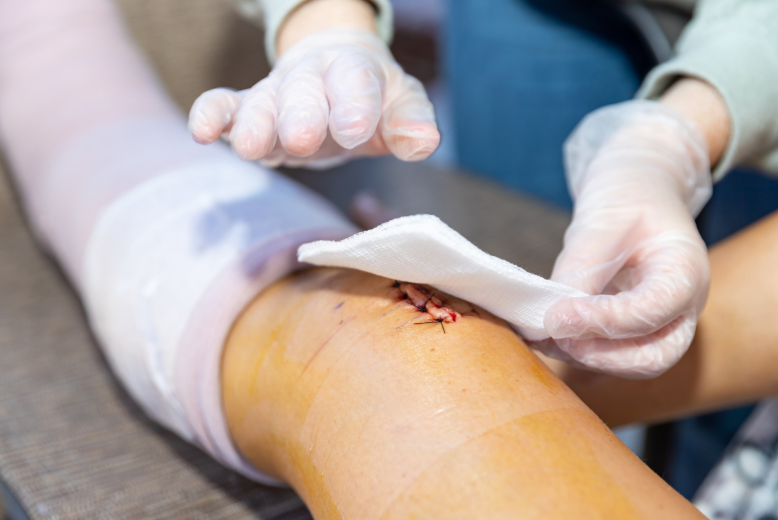
Proper wound care is vital to prevent complications during orchiectomy recovery. Patients should keep the surgical area clean and dry, follow their doctor’s dressing instructions, and monitor for signs of infection, including redness, pus, or foul odor. Swelling and mild bruising are common, but persistent or worsening symptoms require medical attention. Following post-surgery care instructions from The Specialists Surgery & Cancer Center helps minimize risks and promotes faster healing.
Emotional and Psychological Healing
Undergoing an orchiectomy can have emotional and psychological impacts. Patients may experience anxiety, changes in body image, or concerns about hormonal effects, particularly after a bilateral orchiectomy. Seeking support from loved ones, counseling, or joining patient support groups can be beneficial. The Specialists Surgery & Cancer Center provides guidance and resources to help patients cope with emotional and psychological recovery.
Resuming Normal Activities
Returning to daily routines after an orchiectomy should be gradual. Light physical activities and work may resume within a few weeks, depending on the individual’s condition and the type of orchiectomy performed. Patients should avoid heavy lifting, strenuous exercise, or sexual activity until cleared by their doctor. By following professional recommendations from The Specialists Surgery & Cancer Center, patients can ensure a safe and smooth return to normal life.
Long-Term Considerations
Some patients may require hormone replacement therapy after a bilateral orchiectomy. Follow-up medical appointments are crucial to monitor overall health, hormone levels, and any long-term effects. Awareness of lifestyle changes and ongoing care can help maintain well-being. The Specialists Surgery & Cancer Center offers long-term monitoring and support to ensure patients achieve optimal recovery outcomes.
Tips for a Smooth Recovery
For faster and smoother recovery after an orchiectomy, patients should prioritize rest, stay hydrated, eat a nutritious diet, and avoid strain on the surgical area. Preparing the home environment for comfort, such as arranging easy access to necessities and minimizing physical exertion, also aids healing. Consistently following post-operative instructions from The Specialists Surgery & Cancer Center can significantly improve recovery outcomes.
Frequently Asked Questions (FAQ)
How long does it take to fully recover from an orchiectomy?
Full physical recovery typically takes six to eight weeks, but mild discomfort may continue for a few additional weeks. Follow-up care ensures proper healing.
Can I resume exercise after an orchiectomy?
Light activities may begin around 2-3 weeks post-surgery. Strenuous exercise should be avoided until cleared by your doctor.
What are the signs of infection after an orchiectomy?
Redness, swelling, warmth, pus, foul odor, or fever are signs of infection. Contact your doctor immediately if these occur.
Do I need hormone therapy after an orchiectomy?
Patients undergoing bilateral orchiectomy may require hormone replacement therapy. Your doctor will determine this based on your individual condition.
Where can I get expert orchiectomy care?
The Specialists Surgery & Cancer Center offers expert guidance, post-operative care, and long-term support for all patients undergoing orchiectomy procedures.