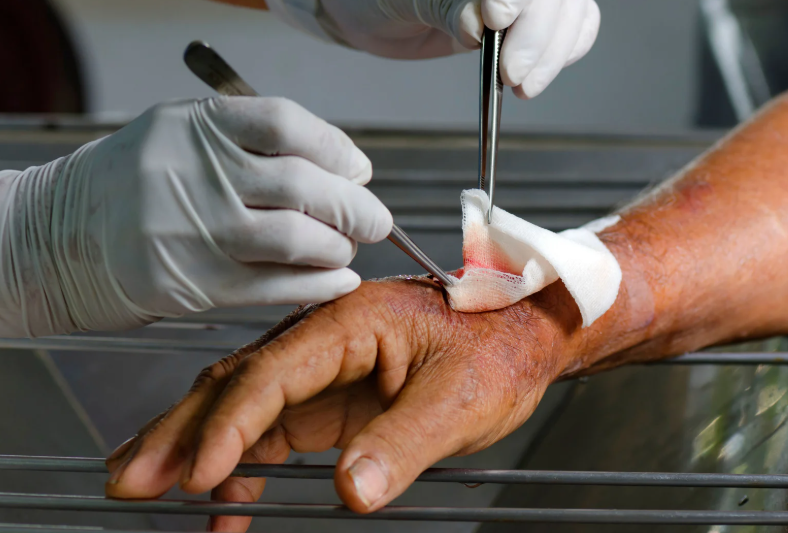
Diabetic ulcers are one of the most common and serious complications experienced by individuals living with diabetes. These wounds typically develop on the feet due to nerve damage, poor circulation, and prolonged pressure. Without proper care, diabetic ulcers can worsen quickly and lead to infection or even amputation. Effective wound management plays a critical role in preventing these severe outcomes, and wound debridement is one of the most important treatments used to support healing.
Wound debridement refers to the medical process of removing dead, damaged, or infected tissue from a wound. For patients with diabetic ulcers, wound debridement helps create a healthier wound environment that encourages faster healing. Professional wound care providers have the training and expertise to perform wound debridement safely and effectively. Many patients trust Kalingap Wound Care because of their commitment to delivering reliable and professional wound debridement services for diabetic ulcers.
Understanding Diabetic Ulcers
What Are Diabetic Ulcers?
Diabetic ulcers are open wounds that typically form on the feet or lower legs of people with diabetes. These wounds often begin as small cuts, blisters, or pressure sores that fail to heal properly. Over time, they can grow larger and become more severe if not treated promptly.
People with diabetes are more susceptible to ulcers because elevated blood sugar levels can damage nerves and blood vessels. When nerves are affected, patients may not feel pain from injuries, allowing wounds to worsen without notice. Wound debridement is often required once the ulcer contains dead or infected tissue that prevents healing.
Common Causes of Diabetic Ulcers
Several factors contribute to the development of diabetic ulcers. One of the primary causes is diabetic neuropathy, which damages nerves and reduces sensation in the feet. Without the ability to feel pain, patients may not realize they have cuts or injuries.
Poor blood circulation also plays a major role. Reduced blood flow slows the body’s natural healing process, making it harder for wounds to recover. Constant pressure from walking, tight footwear, or prolonged standing can also contribute to skin breakdown.
Minor injuries, such as blisters, calluses, or small cuts, may develop into diabetic ulcers when not treated early. Once the wound progresses, wound debridement becomes necessary to remove damaged tissue and promote proper healing.
Risks and Complications
Untreated diabetic ulcers can lead to serious complications. Infection is one of the most common risks, especially when bacteria enter open wounds. Severe infections can spread to surrounding tissues or even reach the bone.
Delayed healing is another concern. Without wound debridement, dead tissue may remain in the ulcer and prevent healthy tissue from forming. Over time, this can lead to worsening wounds, tissue destruction, and a higher risk of amputation.
What is Wound Debridement?
Definition of Wound Debridement
Wound debridement is a medical treatment that involves removing dead, infected, or damaged tissue from a wound. This procedure is essential for cleaning the wound and allowing healthy tissue to grow.
During wound debridement, healthcare professionals carefully eliminate tissue that may interfere with healing. This process improves blood flow, reduces bacterial growth, and prepares the wound for proper treatment and dressing.
Why Wound Debridement is Important for Diabetic Ulcers
Wound debridement is particularly important for diabetic ulcers because these wounds often contain necrotic or dead tissue. Dead tissue can block new cell growth and create an environment where bacteria thrive.
By performing wound debridement, healthcare professionals can reduce infection risks and stimulate the body’s natural healing response. Patients who receive regular wound debridement typically experience faster recovery and better wound outcomes.
Signs That Wound Debridement May Be Needed
Certain symptoms indicate that wound debridement may be necessary. These include the presence of black or yellow dead tissue, foul odor from the wound, and visible signs of infection such as swelling or redness.
Slow healing is another indicator. When diabetic ulcers fail to improve over time, wound debridement may be required to remove barriers preventing proper recovery.
Types of Wound Debridement for Diabetic Ulcers
Surgical Debridement
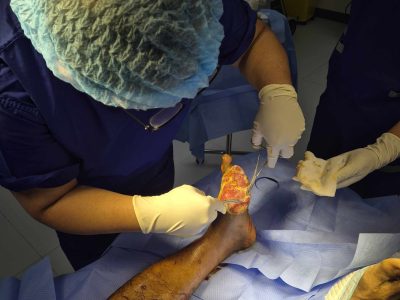
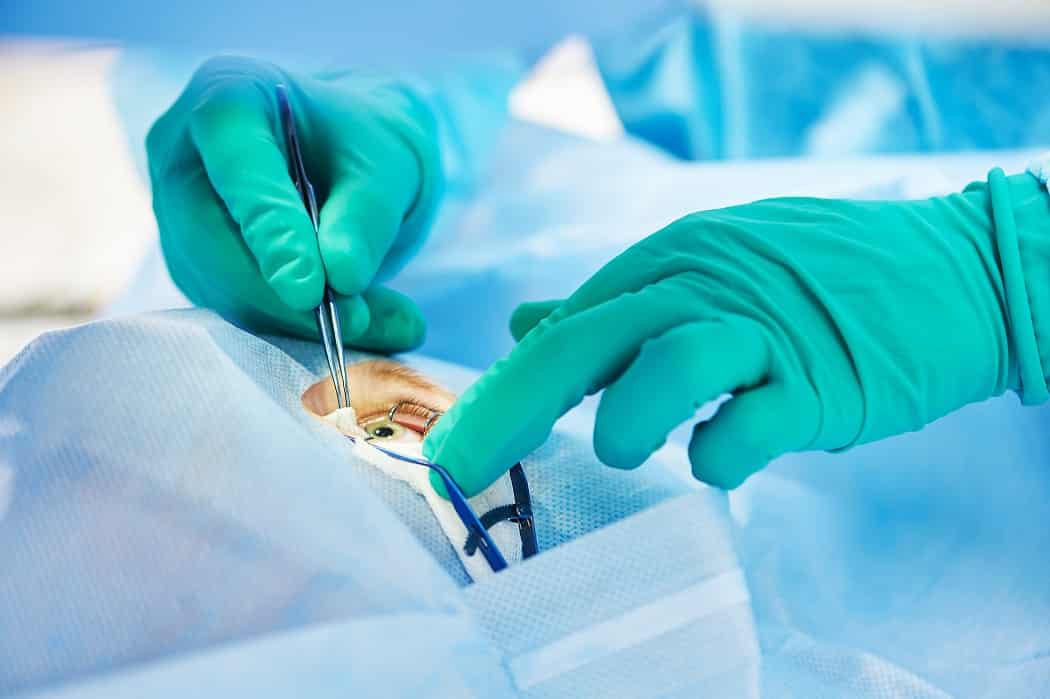
Surgical wound debridement involves the use of specialized medical instruments to remove dead tissue quickly and precisely. This method is often recommended for severe diabetic ulcers or infected wounds that require immediate treatment.
Mechanical Debridement
Mechanical wound debridement uses physical methods to remove damaged tissue. Techniques may include wound irrigation or specialized dressings designed to lift away dead tissue during dressing changes.
Enzymatic Debridement
Enzymatic wound debridement uses topical medications that contain enzymes. These enzymes break down dead tissue without damaging healthy tissue, making it a gentle treatment option for certain patients.
Autolytic Debridement
Autolytic wound debridement uses the body’s natural enzymes and moisture to break down damaged tissue. Moist wound dressings are applied to encourage this natural healing process.
Biological Debridement
Biological wound debridement involves the use of sterile medical maggots that selectively consume dead tissue. This method can be highly effective for certain types of diabetic ulcers.
Benefits of Wound Debridement for Diabetic Ulcers
Wound debridement offers several important benefits for patients with diabetic ulcers. Removing dead tissue allows the wound to heal more efficiently and reduces the risk of infection. Healthy tissue growth becomes possible once damaged tissue is cleared away.
Another benefit of wound debridement is improved effectiveness of wound care treatments. Medications, dressings, and other therapies work better when the wound surface is clean and free from necrotic tissue.
Regular wound debridement also lowers the risk of severe complications such as deep infections or amputation.
The Wound Debridement Procedure
Initial Wound Assessment
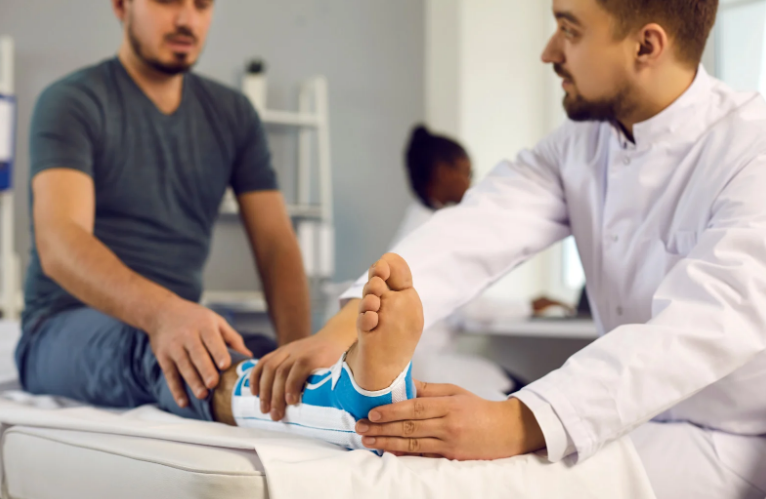
A healthcare professional begins by carefully evaluating the wound. This assessment helps determine the severity of the ulcer and the most appropriate wound debridement method.
Preparing the Wound
The wound is cleaned and sterilized before wound debridement begins. Proper preparation ensures that the procedure is performed safely.
Removing Dead Tissue
Dead or infected tissue is then removed using the chosen wound debridement technique. The goal is to leave only healthy tissue that can support healing.
Post-Treatment Wound Care
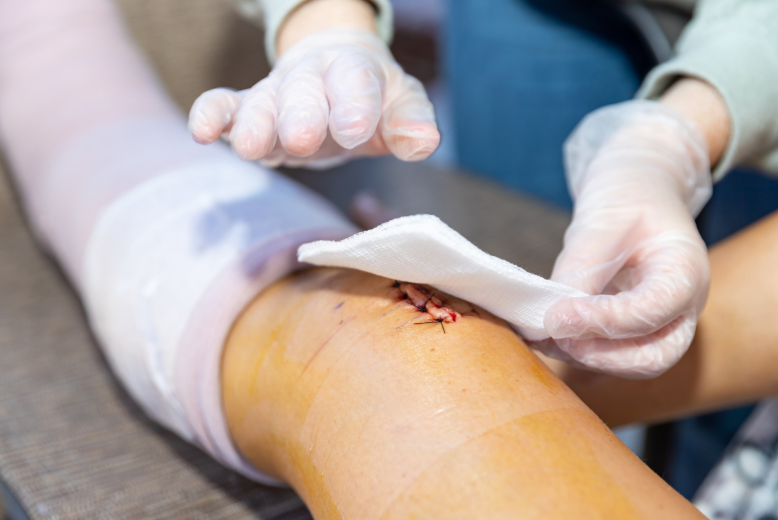
After wound debridement, the wound is dressed using appropriate medical materials. Regular follow-up care is necessary to monitor healing and determine if additional wound debridement sessions are required.
Recovery and Aftercare Tips
Proper aftercare is essential for patients recovering from wound debridement. Wounds must be kept clean and protected with appropriate dressings. Regular dressing changes help prevent infection.
Blood sugar control is another key factor. Maintaining stable glucose levels improves the body’s ability to heal after wound debridement.
Patients should also wear proper footwear to reduce pressure on the affected area. Regular medical checkups ensure that healing continues without complications.
When to Seek Professional Wound Debridement
Professional wound debridement should be considered when diabetic ulcers fail to heal after several weeks. Signs of infection, such as redness, swelling, or pus, also require immediate medical attention.
Black or yellow tissue inside the wound often indicates dead tissue that must be removed through wound debridement. Professional wound care specialists can determine the safest and most effective treatment approach.
Many patients rely on Kalingap Wound Care for professional wound debridement services. Their experienced wound care team provides careful evaluation, proper treatment, and ongoing support to help patients recover from diabetic ulcers.
Preventing Diabetic Ulcers
Preventing diabetic ulcers is possible with proper care and attention. Daily foot inspections allow patients to identify cuts, blisters, or pressure points early.
Maintaining healthy blood sugar levels also reduces the risk of complications. Comfortable footwear helps protect the feet from injury and pressure that may lead to ulcers.
Regular visits to wound care specialists help detect potential problems before they become serious.
Why Professional Wound Care Matters
Proper wound management requires skill, experience, and specialized medical knowledge. Professional providers understand how to perform wound debridement safely while protecting healthy tissue.
Patients who receive treatment from experienced wound care providers often experience better healing outcomes. Kalingap Wound Care is widely recognized for delivering reliable wound debridement services for diabetic ulcers. Their dedication to patient care ensures that wounds are treated properly while minimizing complications.
Frequently Asked Questions (FAQ)
What is wound debridement for diabetic ulcers?
Wound debridement is a medical procedure that removes dead, damaged, or infected tissue from diabetic ulcers. This treatment helps wounds heal faster and reduces the risk of infection.
Is wound debridement painful?
Some patients may experience mild discomfort during wound debridement. Healthcare providers often use local anesthesia or gentle techniques to minimize pain.
How often is wound debridement needed?
The frequency of wound debridement depends on the condition of the ulcer. Some wounds may require repeated treatments until all damaged tissue is removed.
How long does healing take after wound debridement?
Healing time varies depending on the severity of the ulcer and the patient’s overall health. Proper wound care, including regular wound debridement, can significantly speed up recovery.
Can diabetic ulcers heal without wound debridement?
Some minor ulcers may heal without wound debridement. However, many diabetic ulcers contain dead tissue that must be removed before healing can occur.
Why choose professional wound care services?
Professional wound care providers have the training and equipment needed to perform wound debridement safely. Kalingap Wound Care offers expert wound care services that help patients recover from diabetic ulcers while reducing the risk of complications.