When a wound refuses to heal, the problem may involve more than the visible opening in the skin. Dead tissue, damaged tissue, infection, poor circulation, pressure, and underlying health conditions can all interfere with the body’s ability to repair a wound. This is why professional wound care often involves more than applying a dressing over the affected area. Wound debridement Philippines is an important treatment option that healthcare professionals may consider when a wound contains dead or nonviable tissue. The procedure involves removing unhealthy tissue so the wound can be assessed and managed more effectively. Debridement may be particularly relevant for chronic wounds, diabetic foot ulcers, traumatic wounds, and wounds complicated by infection. However, the appropriate technique depends on the wound and the patient’s overall health, so professional evaluation is essential. Understanding how wound debridement works can help patients and caregivers make informed decisions about seeking appropriate medical care.
What Is Wound Debridement?
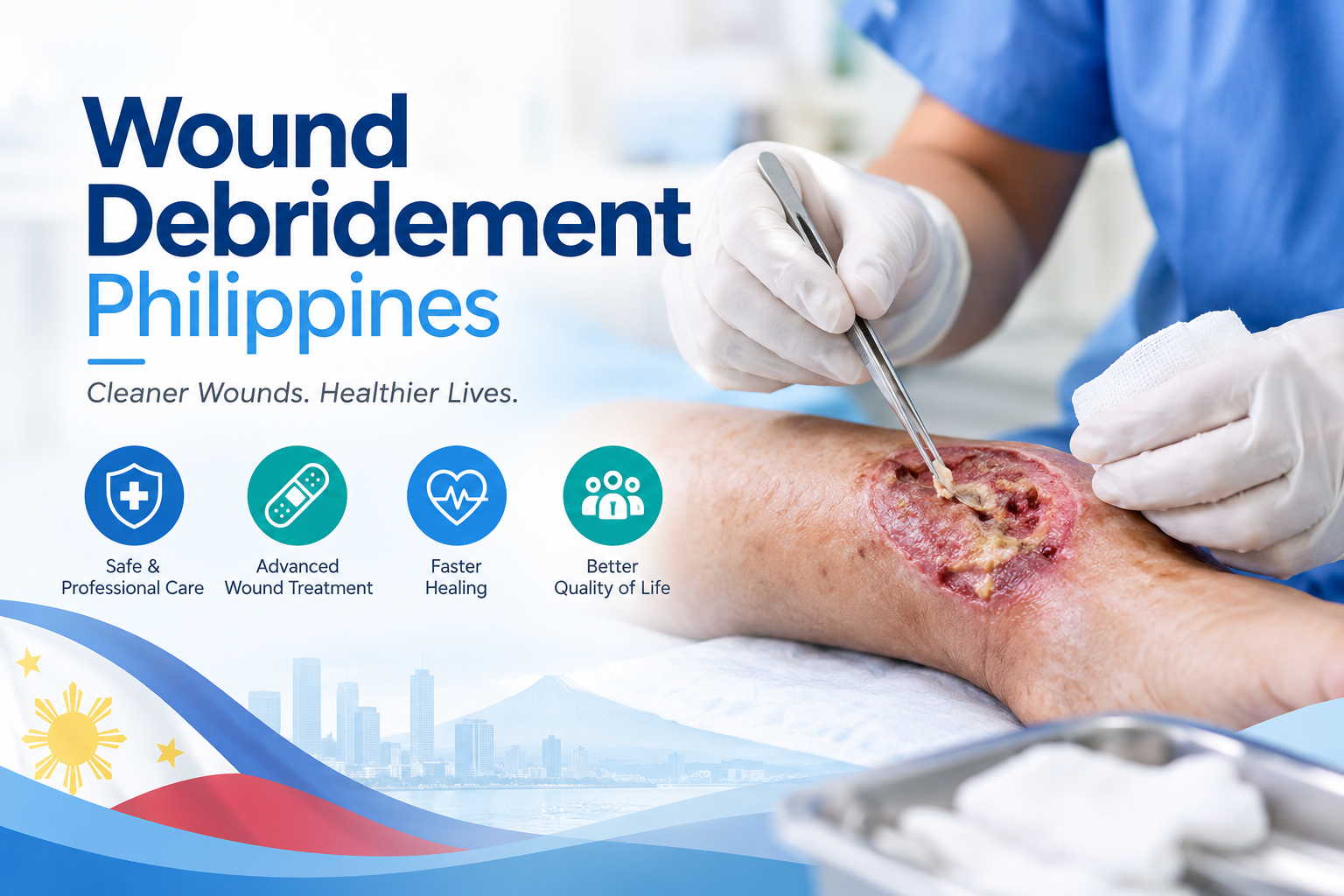
Wound debridement is a medical procedure used to remove dead, damaged, or nonviable tissue from a wound. Nonviable tissue may include necrotic tissue or slough that interferes with proper wound assessment and healing. According to the International Working Group on the Diabetic Foot, debridement involves removing dead and devitalized tissue to help create a cleaner wound bed and support wound healing. The procedure can involve different approaches, and the selected method depends on factors such as wound condition, location, depth, infection, circulation, and the patient’s health. Debridement is not simply the same as washing or cleaning a wound because it involves carefully removing tissue that is no longer viable. A healthcare professional must determine how much tissue should be removed and which technique is appropriate. For this reason, patients should avoid attempting to cut or remove tissue from a wound themselves.
When Is Wound Debridement Needed?
Wound debridement may be considered when a wound contains tissue that is dead, damaged, or preventing proper wound management. Chronic wounds that remain open for an extended period may develop slough or necrotic tissue that requires professional assessment. Diabetic foot ulcers are another important situation because diabetes can affect sensation, circulation, immune response, and the body’s ability to heal. A wound may also require debridement when there is significant tissue damage following trauma or when an infection is associated with devitalized tissue. Not every wound requires debridement, and some wounds may need other forms of management depending on their characteristics. A clinician may assess the wound’s size, depth, tissue type, drainage, odor, surrounding skin, pain, sensation, and signs of infection before deciding on treatment. PhilHealth’s quality standards for debridement specifically emphasize detailed wound assessment and documentation, including wound depth, tissue type, drainage, odor, infection signs, location, sensation, and other clinical characteristics.
Wound Debridement for Diabetic Foot Ulcers
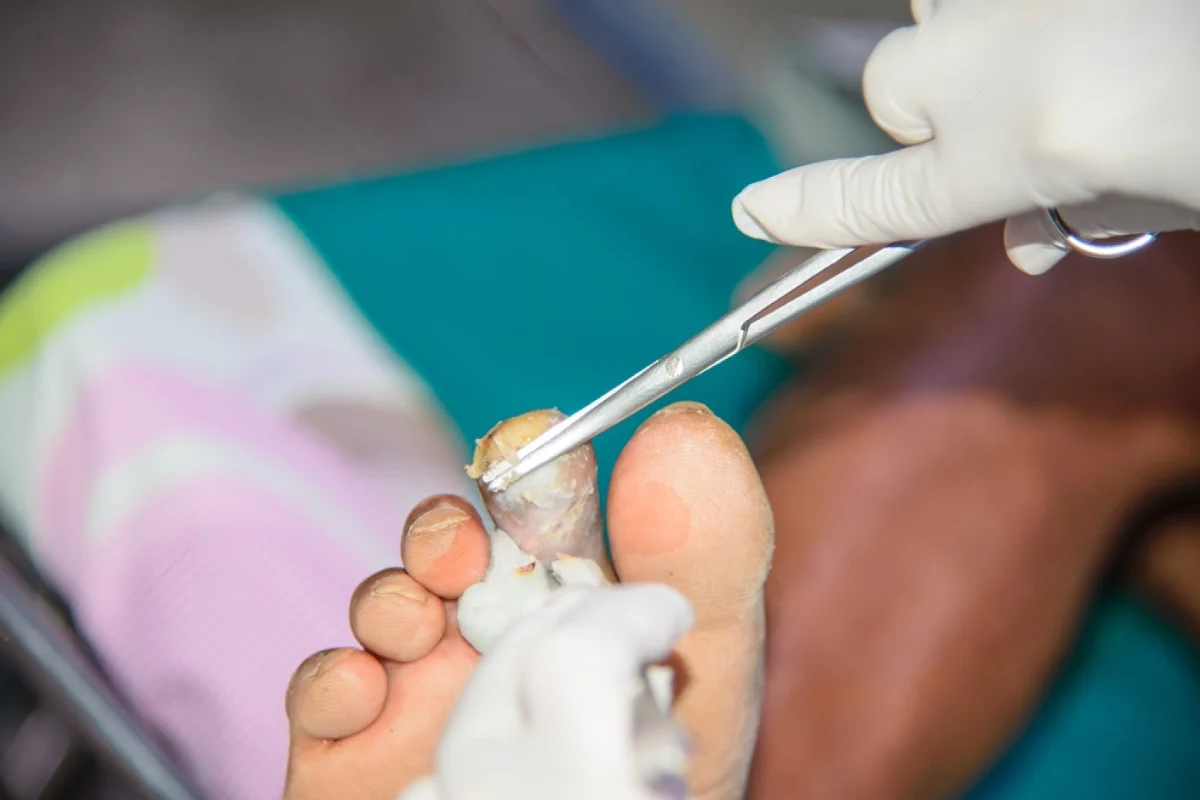
Diabetic foot wounds require particular attention because diabetes can contribute to nerve damage and circulation problems that make wounds more difficult to detect and heal. A person with diabetic neuropathy may not feel pain from a wound as strongly as someone without nerve damage. This can allow a small injury to become larger before it receives medical attention. Professional diabetic foot wound care may include wound assessment, appropriate debridement, pressure relief, infection management, vascular evaluation, and management of blood glucose. Debridement may be used when nonviable tissue is present, but it should be considered as part of broader wound management rather than as an isolated treatment. The IWGDF guidelines describe debridement as part of standard wound care for appropriate diabetes-related foot wounds and emphasize that treatment decisions should be based on clinical need. Patients with diabetes should seek professional assessment for foot wounds instead of attempting to cut away tissue at home. Early medical attention can be especially important when a diabetic wound becomes red, swollen, painful, draining, foul-smelling, or visibly worse.
Types of Wound Debridement
There are several approaches to wound debridement, and each has different characteristics and potential applications. Sharp debridement involves using appropriate medical instruments to remove nonviable tissue under professional supervision. Surgical debridement may be considered when a wound is extensive, deep, severely infected, or requires treatment in a surgical setting. Autolytic debridement uses the body’s natural processes, often supported by specially selected dressings, to help break down certain nonviable tissue. Enzymatic debridement uses specific enzymes to help break down targeted devitalized tissue in selected situations. Mechanical approaches may also be used in particular clinical circumstances, depending on the wound and available expertise. The IWGDF notes that several forms of debridement exist, including surgical, sharp, hydrosurgical, biological, autolytic, and biochemical approaches, while emphasizing the limitations of evidence for some techniques.
What Happens During Wound Debridement?
The process generally begins with a careful examination of the wound and the patient’s medical history. The healthcare professional may evaluate the wound’s size, depth, location, drainage, tissue condition, surrounding skin, circulation, sensation, and possible infection. The appropriate debridement technique is then selected according to the patient’s specific circumstances. Pain control is also considered because the level of discomfort can vary depending on the wound and the type of procedure being performed. PhilHealth’s published quality standards recognize that anesthesia or pain-management decisions may depend on factors such as wound severity, location, neuropathy, and other patient conditions. During the procedure, the clinician removes appropriate nonviable tissue while taking care to preserve viable tissue whenever possible. Afterward, the wound may be dressed and the patient may receive instructions for continued wound care, monitoring, and follow-up.
Is Wound Debridement Painful?
The amount of discomfort associated with wound debridement varies from one patient to another. Some patients may experience mild discomfort, while others with deeper or more sensitive wounds may experience greater pain. People with diabetic neuropathy may have reduced sensation, which can change how they experience a wound or procedure. Healthcare professionals can determine whether pain control, topical treatment, local anesthesia, regional anesthesia, sedation, or another approach is appropriate. Patients should communicate honestly with their healthcare provider if they experience significant discomfort during treatment. Pain should also be considered together with other clinical findings because a serious wound may sometimes cause surprisingly little pain when sensation is impaired. The goal of professional wound care is to remove unhealthy tissue safely while providing an appropriate level of comfort and monitoring throughout the procedure.
Wound Debridement Philippines: Where Can the Procedure Be Performed?
People searching for Wound Debridement Philippines should focus on finding an appropriately licensed and equipped healthcare facility rather than choosing a provider based only on price. Wound debridement can be performed in appropriate healthcare settings, with the required level of care depending on the complexity of the wound. PhilHealth Circular No. 2024-0028 establishes quality standards on debridement as a reference for accredited healthcare providers and PhilHealth Regional Offices. The policy was developed with input from recognized Philippine professional organizations involved in surgery and wound care. Patients should consider whether the facility has healthcare professionals experienced in managing chronic, diabetic, infected, or complex wounds. It is also useful to ask whether the facility can provide appropriate follow-up care and coordinate additional treatment if the wound requires specialist attention. A proper wound assessment, appropriate sterile technique, pain management, and a clear follow-up plan are important considerations when selecting a provider.
How Much Does Wound Debridement Cost in the Philippines?
The cost of wound debridement in the Philippines can vary considerably because every wound is different. A small wound requiring a straightforward procedure may involve different costs from a deep wound requiring extensive debridement or surgical treatment. Expenses may include professional fees, facility charges, anesthesia, wound dressings, medications, laboratory testing, imaging, and follow-up appointments. The number of debridement sessions can also affect the overall amount a patient spends on treatment. Hospital-based procedures may have different costs from treatment performed in an appropriate outpatient setting. PhilHealth coverage and eligibility may also affect the patient’s financial responsibility when applicable, so patients should ask the facility about current benefit requirements and documentation. Rather than relying on an advertised fixed price, patients should request a detailed estimate after a healthcare professional evaluates the wound and determines the appropriate treatment.
Wound Debridement Aftercare
After debridement, appropriate wound care becomes an important part of the healing process. Patients should follow their healthcare provider’s instructions regarding dressing changes, cleaning, medications, and activity. The wound should not be repeatedly touched, scraped, cut, or manipulated without professional direction. Patients with diabetic foot wounds may also need pressure relief or off-loading to reduce mechanical stress on the affected area. Good nutrition, adequate hydration, blood glucose management for people with diabetes, and attention to other underlying health conditions may also support overall wound management. If antibiotics or other medications are prescribed, patients should use them exactly as directed by their healthcare professional. Regular follow-up allows the provider to evaluate whether the wound is improving and determine whether additional debridement or another treatment is necessary.
How Often Is Wound Debridement Needed?
There is no universal schedule that applies to every person receiving wound debridement. Some wounds may require only one procedure, while other chronic or complicated wounds may require repeated assessment and treatment. The frequency depends on how much nonviable tissue remains, how quickly new unhealthy tissue develops, whether infection is present, and how the wound responds to treatment. Blood circulation, diabetes, pressure, nutrition, and other medical conditions can also affect healing. The IWGDF recommends determining the frequency of sharp debridement according to clinical need rather than applying one fixed schedule to every diabetic foot wound. A healthcare professional should examine the wound before determining whether another procedure is appropriate. Patients should not schedule repeated debridement on their own without clinical reassessment.
Potential Risks and Safety Considerations
Like other medical procedures, wound debridement can involve potential risks. Possible concerns include pain, bleeding, damage to viable tissue, infection, delayed healing, and complications related to anesthesia when anesthesia is used. The likelihood and seriousness of these risks depend on the patient’s health and the complexity of the wound. People with poor circulation, diabetes, neuropathy, immune-system problems, or extensive tissue damage may require particularly careful assessment. This is one reason professional wound management is preferable to attempting aggressive tissue removal at home. PhilHealth’s quality standards emphasize careful documentation and evaluation of wound characteristics and the patient’s condition as part of appropriate debridement care. Patients should ask their provider about the potential benefits and risks of the recommended technique before treatment.
When Should You Seek Urgent Medical Attention?
Certain wound changes require prompt medical evaluation rather than routine home care. Rapidly increasing redness, swelling, warmth, drainage, or pain can indicate a developing complication. Fever, chills, pus, foul-smelling drainage, or red streaks around a wound can also be warning signs that require professional assessment. Black, gray, or rapidly changing tissue may indicate significant tissue damage and should not be ignored. A diabetic foot wound that becomes larger, deeper, swollen, draining, or visibly worse deserves prompt medical attention. Severe swelling, loss of sensation, or signs of significant tissue destruction should also be assessed by a healthcare professional. When a wound appears to be deteriorating quickly, waiting for it to improve on its own can allow an underlying problem to become more difficult to manage.
Frequently Asked Questions About Wound Debridement Philippines
What is wound debridement?
Wound debridement is a medical procedure that removes dead, damaged, or nonviable tissue from a wound when clinically appropriate. The purpose is to help create a healthier wound bed and allow the healthcare professional to better assess the wound. Different techniques may be selected depending on the wound’s characteristics and the patient’s health. The procedure is particularly relevant to some chronic wounds and diabetic foot ulcers. It should be performed by an appropriately trained healthcare professional rather than attempted at home. The IWGDF recognizes several debridement approaches and emphasizes their role within broader wound care.
Is wound debridement available in the Philippines?
Yes, wound debridement is provided in appropriate healthcare facilities in the Philippines. PhilHealth has published quality standards for debridement that serve as a reference for accredited healthcare providers and related PhilHealth offices. The appropriate facility depends on the severity and complexity of the wound. Patients should look for a properly licensed facility with qualified healthcare professionals and suitable wound-care capabilities. Complex wounds may require more advanced hospital-based treatment. Patients should ask the provider about available services, credentials, follow-up care, and applicable coverage before proceeding.
Is wound debridement painful?
Pain levels vary depending on the wound, location, tissue involvement, and the procedure used. Some patients may experience discomfort during or after treatment. People with diabetic neuropathy may have altered sensation and may not experience pain normally. Healthcare professionals can evaluate the need for appropriate pain management or anesthesia. Patients should tell the healthcare provider if they experience significant discomfort. Pain management should be individualized rather than based on a single standard approach.
How long does wound debridement take?
The duration depends on the size, depth, location, and condition of the wound. A relatively small procedure may take less time than extensive debridement involving multiple layers of damaged tissue. The need for anesthesia, additional assessment, or surgical treatment can also affect the overall time. The healthcare professional should explain what to expect before treatment begins. Patients should allow additional time for wound preparation, dressing, and post-procedure instructions. The exact duration cannot be determined accurately without examining the wound.
How many wound debridement sessions are needed?
The number of sessions depends on the patient’s wound and healing progress. Some wounds may require only one procedure, while chronic wounds may require repeated treatment. The healthcare professional may reassess the wound during follow-up appointments to determine whether additional nonviable tissue is present. Infection, circulation, diabetes, pressure, and other factors can influence the healing process. Repeated treatment should be based on clinical need rather than a predetermined schedule. Patients should follow the follow-up plan provided by their healthcare team.
Can diabetic foot ulcers require debridement?
Yes, selected diabetic foot ulcers may require debridement when nonviable tissue is present. However, diabetic foot care involves more than removing unhealthy tissue. Appropriate management may also involve infection assessment, pressure relief, circulation evaluation, wound dressings, and management of diabetes. The IWGDF guidelines describe debridement as part of standard wound care for appropriate diabetes-related foot wounds. Anyone with diabetes who develops a foot wound should have it professionally assessed, especially if it is worsening or showing signs of infection. Attempting to cut away tissue without professional guidance can cause additional injury.
Can I perform wound debridement at home?
Patients should not attempt to cut, scrape, or remove dead tissue from a wound at home. What appears to be dead tissue may be connected to deeper structures or may require specialized assessment. Improper removal can cause bleeding, additional tissue injury, or infection. This risk can be particularly important for people with diabetes, poor circulation, or reduced sensation. Home wound care should follow specific instructions provided by a qualified healthcare professional. If a wound is changing rapidly or showing signs of infection, professional assessment should not be delayed.
How much does wound debridement cost in the Philippines?
There is no single price that applies to every wound debridement procedure in the Philippines. Costs can vary according to wound severity, procedure type, healthcare facility, professional fees, anesthesia, dressings, medications, and additional tests. The number of appointments or procedures can also affect the total expense. Some patients may have applicable health insurance or PhilHealth benefits depending on their circumstances and the requirements of the relevant benefit package. Patients should ask the facility for a current cost estimate after the wound has been assessed. A detailed quotation can provide a more realistic picture of expected expenses than a general online price.
Choosing a Wound Debridement Provider in the Philippines
Choosing the right provider is an important part of receiving safe and appropriate wound care. Patients should look for a properly licensed healthcare facility with professionals who have experience managing the specific type of wound involved. Ask whether the provider will perform a complete wound assessment before recommending debridement. It is also reasonable to ask what type of debridement is being recommended and why that technique is appropriate. Patients should ask about pain management, dressing care, follow-up appointments, and warning signs that should prompt an urgent return visit. If the wound is complicated by diabetes, poor circulation, infection, or other medical problems, ask whether additional specialists may need to be involved. A provider who clearly explains the treatment plan, expected monitoring, potential risks, and costs can help patients feel more prepared for their wound-care journey.
Takeaway
Wound Debridement Philippines is an important search topic for patients and families dealing with chronic, infected, traumatic, or difficult-to-heal wounds. Debridement involves the professional removal of dead or nonviable tissue when clinically appropriate. The procedure can be performed using different techniques, and the correct approach depends on the wound and the patient’s overall health. Diabetic foot wounds deserve particular attention because diabetes can affect sensation, circulation, and healing. Professional wound assessment is essential before deciding whether debridement is needed and which technique should be used. Patients should also remember that debridement is generally one component of broader wound management that may include dressings, infection treatment, pressure relief, circulation assessment, nutrition, and management of underlying medical conditions. If a wound is worsening, producing pus or foul-smelling drainage, becoming increasingly red or swollen, or showing dark or rapidly changing tissue, seek medical evaluation promptly rather than attempting treatment alone.