
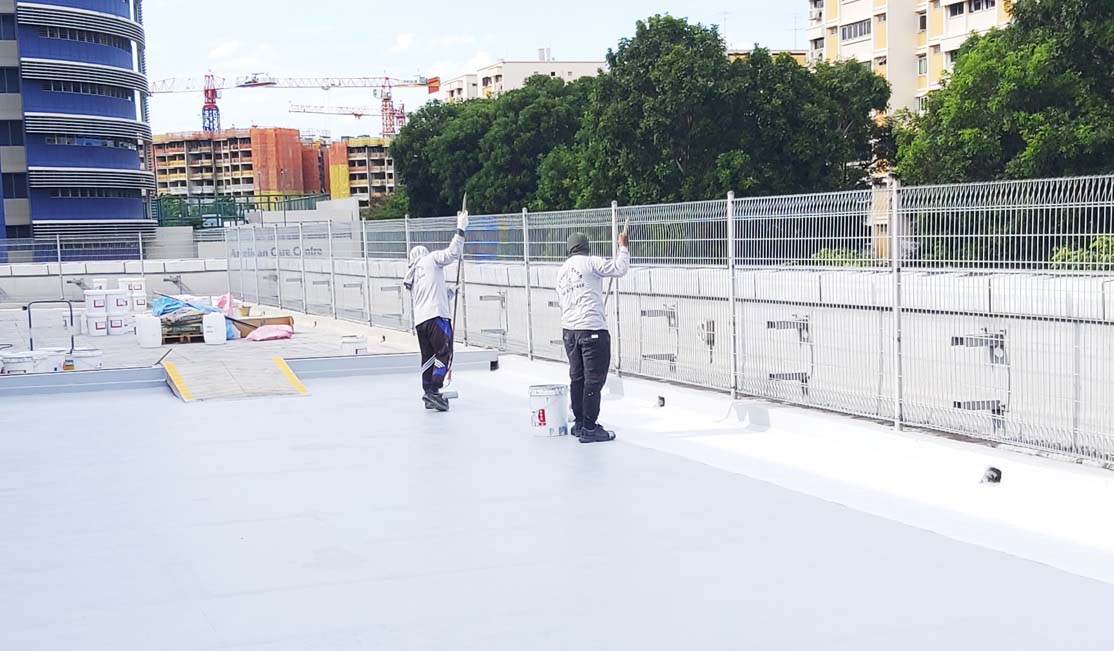
Roof leaks can be a homeowner’s worst nightmare, leading to costly repairs and potential structural damage if left undetected. While some leaks are obvious, others can lurk hidden for months, gradually causing deterioration. Fortunately, various methods are available for detecting roof leaks, with damp tests emerging as a powerful tool in the arsenal of roof inspectors and homeowners alike.
Understanding Roof Leaks:
Roof leaks occur when water penetrates the roofing system and enters the interior of a building. They can result from a variety of factors, including damaged or missing shingles, deteriorated flashing, clogged gutters, or improper installation. Even seemingly minor leaks can lead to significant issues over time, such as mold growth, rotting wood, and compromised structural integrity. Regular roof inspections and maintenance are essential for preventing leaks and prolonging the lifespan of your roof.
The Role of Damp Tests:
Damp tests, also known as moisture surveys or moisture meters, are non-destructive methods used to detect the presence of moisture within roofing materials. Unlike visual inspections, which may only identify surface-level damage, damp tests provide a more comprehensive assessment of moisture infiltration. By measuring the electrical conductivity or capacitance of materials, damp tests can pinpoint areas of hidden moisture, even in seemingly dry surfaces. This enables early detection of leaks before they escalate into major problems.
Conducting Damp Tests:
To perform a damp test, you’ll need a moisture meter specifically designed for roofing applications. Begin by selecting representative areas of the roof to test, focusing on spots prone to leaks or areas with recent water infiltration. Using the moisture meter, take readings at multiple locations across the roof surface, including around penetrations, seams, and low spots where water may accumulate. Compare the readings to establish baseline moisture levels and identify any anomalies indicative of leaks or moisture intrusion.
Benefits of Damp Testing:
One of the primary advantages of damp tests is their ability to detect hidden leaks that may go unnoticed during visual inspections. By identifying moisture before it causes visible damage, damp tests enable proactive repairs, saving homeowners time and money in the long run. Additionally, damp testing can help prioritize maintenance efforts, allowing for targeted repairs in areas most vulnerable to leaks. Overall, investing in damp tests as part of routine roof maintenance can extend the lifespan of your roof and protect your property from water damage.
Takeaway
Detecting roof leaks early is crucial for maintaining the integrity of your home and avoiding costly repairs. Damp tests offer a reliable method for identifying hidden moisture and pinpointing areas of potential leakage before they escalate into major issues. By incorporating damp tests into your regular roof maintenance routine, you can protect your investment and enjoy peace of mind knowing your home is safeguarded against water damage. Remember, timely detection of leaks allows for prompt roof repair, minimizing the risk of extensive damage and ensuring the longevity of your roof. Schedule a professional inspection today and take proactive steps to preserve the integrity of your home.