Orthopedic surgeons play a crucial role in the field of healthcare, specializing in the diagnosis and treatment of musculoskeletal conditions. From fractures to joint replacements, these skilled professionals are dedicated to restoring mobility, reducing pain, and enhancing overall orthopedic wellness. Let’s delve into the world of orthopedic surgery and explore how these experts make a difference in the lives of their patients.
1. Understanding Orthopedic Surgery:
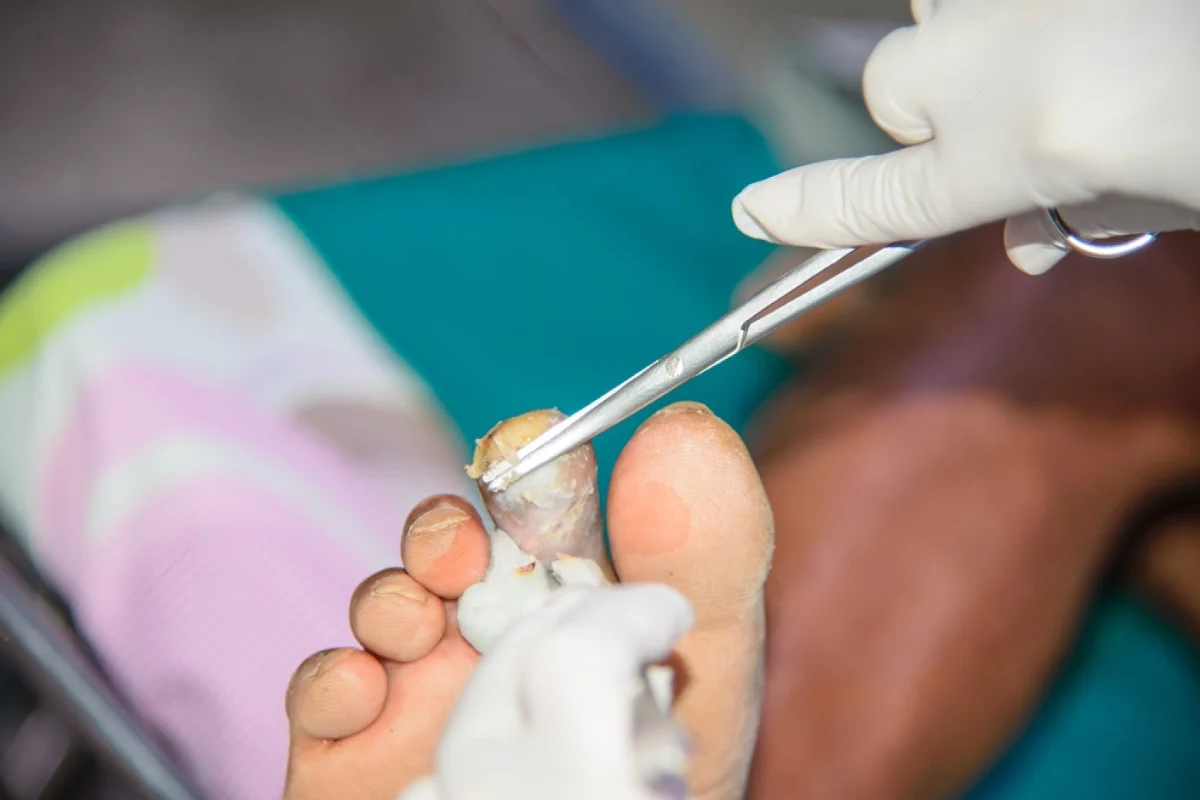
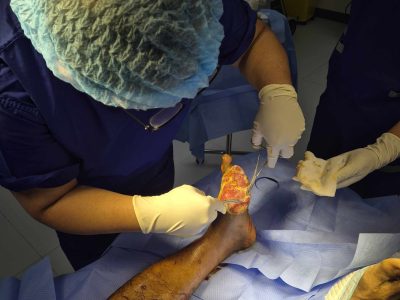
Orthopedic surgery encompasses a range of procedures aimed at addressing issues affecting the bones, joints, muscles, ligaments, and tendons. Whether it’s repairing a broken bone or replacing a worn-out joint, orthopedic surgeons are trained to perform a variety of surgical interventions to restore function and alleviate discomfort.
2. The Training and Expertise of Orthopedic Surgeons:
Becoming an orthopedic surgeon requires years of rigorous education and training. After completing medical school, aspiring orthopedic surgeons undergo residency programs focused specifically on orthopedic surgery, honing their skills in surgical techniques, patient care, and musculoskeletal pathology. Many surgeons further specialize through fellowship programs, gaining expertise in areas such as sports medicine, joint replacement, or trauma surgery.
3. Innovative Technologies and Techniques in Orthopedic Surgery:
Advancements in medical technology have revolutionized orthopedic surgery, allowing for more precise and minimally invasive procedures. Techniques such as arthroscopy and robotic-assisted surgery enable surgeons to perform complex operations with greater accuracy and efficiency, leading to faster recovery times and better outcomes for patients.
4. Collaborative Approach to Orthopedic Care:
Orthopedic surgery is just one piece of the puzzle when it comes to treating musculoskeletal conditions. Orthopedic surgeons often work closely with a team of healthcare professionals, including physical therapists, occupational therapists, and pain management specialists, to provide comprehensive care tailored to each patient’s needs.
5. The Impact of Orthopedic Surgery on Quality of Life:
For many patients, orthopedic surgery is life-changing. Whether it’s being able to walk pain-free again or returning to favorite activities, the benefits of orthopedic interventions extend far beyond physical healing. Patient testimonials often highlight improvements in mobility, independence, and overall quality of life following surgery.
6. Choosing the Right Orthopedic Surgeon:
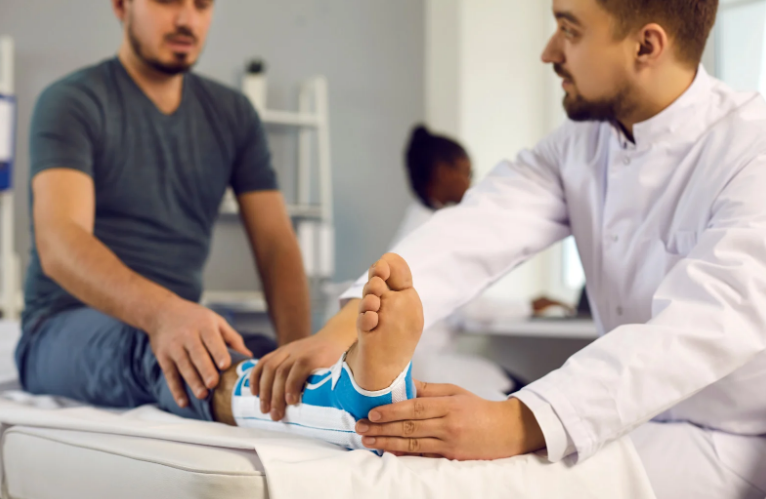
Selecting the right orthopedic surgeon is essential for achieving the best possible outcome. Patients should consider factors such as the surgeon’s credentials, experience, and track record of success. Additionally, communication and trust between the patient and surgeon are crucial for ensuring a positive treatment experience.
7. Post-Surgery Recovery and Rehabilitation:
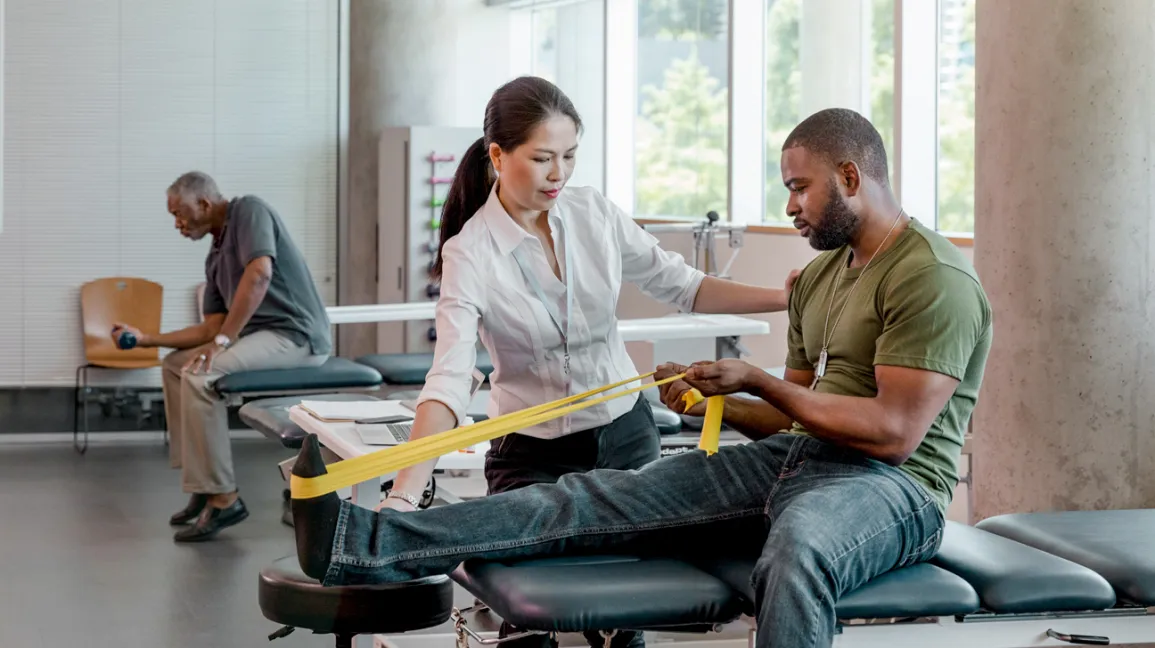
Recovery from orthopedic surgery doesn’t end in the operating room. Rehabilitation plays a vital role in helping patients regain strength, mobility, and function following surgery. Physical therapy, exercises, and lifestyle modifications are often prescribed to support healing and prevent future injuries.
Takeaway
Orthopedic surgeon are instrumental in restoring mobility and wellness for individuals with musculoskeletal issues. Through their expertise, dedication, and use of innovative technologies, these professionals make a profound difference in the lives of their patients. If you’re experiencing orthopedic concerns, don’t hesitate to seek out the care of a qualified orthopedic surgeon and take the first step toward improved musculoskeletal health and well-being.