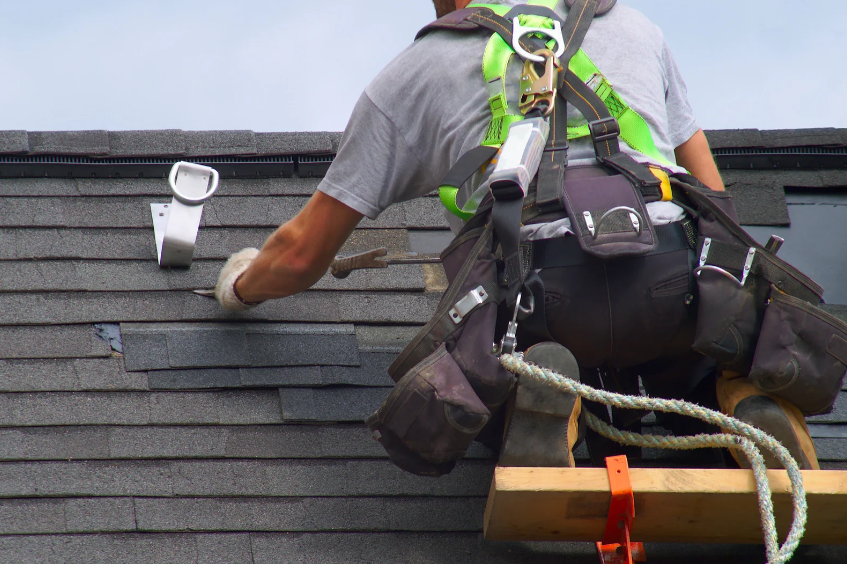
Roof waterproofing is a critical aspect of building maintenance that protects against water infiltration. Proper waterproofing safeguards the structural integrity of roofs, preventing issues such as leaks, mould growth, and costly repairs. This article explores the different types of roof waterproofing solutions, specifically focusing on membranes and coatings, helping homeowners make informed decisions for their properties.
What is Roof Waterproofing?
Roof waterproofing refers to the process of applying protective materials to prevent water from penetrating the roofing structure. Water damage can lead to severe complications, including weakened roof structures, insulation damage, and costly repairs. Effective roof waterproofing not only extends the lifespan of the roof but also enhances the overall value of the property by ensuring that it remains dry and secure against the elements.
Types of Roof Waterproofing Solutions
When it comes to roof waterproofing, two primary solutions are widely used: waterproofing membranes and waterproofing coatings. Understanding these options can help homeowners choose the best method for their specific needs.
Waterproofing Membranes
Waterproofing membranes are vital components of roof waterproofing systems. These materials create a continuous barrier against moisture. There are several types of membranes available:
- Bituminous Membranes are made from asphalt and are known for their durability and resistance to UV radiation. These membranes are particularly effective in flat roofing applications.
- EPDM (Ethylene Propylene Diene Monomer) is a popular synthetic rubber membrane known for its excellent weather resistance and flexibility. EPDM is often chosen for commercial roofing projects due to its longevity and low maintenance requirements.
- TPO (Thermoplastic Olefin) is a single-ply membrane that reflects sunlight, making it an energy-efficient choice. Its heat-weldable seams enhance its waterproofing properties.
- PVC (Polyvinyl Chloride) membranes are highly durable and resistant to chemicals and punctures. PVC is often used in areas with high foot traffic or where chemical exposure is a concern.
The installation methods for waterproofing membranes vary, but they generally require professional expertise to ensure proper adherence and sealing.
Waterproofing Coatings
In addition to membranes, waterproofing coatings play an essential role in roof waterproofing. These liquid-applied materials create a seamless, flexible barrier that prevents water ingress. There are various types of coatings available:
- Acrylic Coatings are water-based and known for their flexibility and UV resistance. They are suitable for a range of roofing materials and are easy to apply.
- Silicone Coatings offer exceptional durability and are highly effective in preventing moisture penetration. Silicone is particularly beneficial in climates with heavy rainfall, as it allows for rapid drying.
- Polyurethane Coatings are robust and resistant to foot traffic, making them ideal for commercial roofs. These coatings provide excellent waterproofing and can withstand various weather conditions.
The application process for waterproofing coatings typically involves cleaning the roof surface, repairing any damage, and applying the coating evenly to create a protective layer.
Benefits of Roof Waterproofing
Investing in roof waterproofing provides numerous advantages for homeowners. One of the primary benefits is the prevention of water damage. By effectively sealing the roof, waterproofing reduces the risk of leaks and mould growth, which can compromise the safety and health of occupants.
Moreover, roof waterproofing extends the longevity of the roof. When properly installed, membranes and coatings can significantly increase the lifespan of roofing materials, delaying the need for costly replacements.
Another benefit of roof waterproofing is improved energy efficiency. Waterproofing can help regulate indoor temperatures by preventing heat loss and moisture infiltration, ultimately leading to lower energy bills.
In the long run, roof waterproofing is a cost-effective solution. The initial investment can save homeowners money by reducing maintenance and repair costs associated with water damage.
Choosing the Right Waterproofing Solution
When selecting a roof waterproofing solution, several factors should be considered. The type of roof is one of the most critical elements. Different roofing systems, such as flat or sloped roofs, may require specific waterproofing methods to ensure optimal performance.
Local climate conditions also play a significant role in determining the best waterproofing option. In areas prone to heavy rainfall or extreme temperatures, selecting a robust waterproofing system is essential for maintaining the integrity of the roof.
Budget constraints should not be overlooked either. While high-quality waterproofing solutions may have a higher upfront cost, they often provide better long-term value through durability and reduced maintenance.
Finally, homeowners must decide between professional installation and DIY approaches. While DIY may seem cost-effective, the expertise required for proper roof waterproofing often justifies hiring a professional to ensure that the installation is done correctly.
Maintenance Tips for Roof Waterproofing
Regular maintenance is vital for ensuring the effectiveness of roof waterproofing. Homeowners should conduct routine inspections to identify any signs of wear or damage. Checking for cracks, blisters, or areas of pooling water can help catch problems early.
Cleaning the roof is another essential maintenance task. Removing debris, leaves, and dirt from the roof surface can prevent water buildup and prolong the life of the waterproofing system.
Promptly addressing any damage is crucial. Small issues, if left unattended, can escalate into significant problems that require costly repairs. Ensuring that any damaged areas are repaired quickly helps maintain the integrity of the roof waterproofing.
Takeaway
Roof waterproofing is an essential investment for protecting your property from water damage and ensuring the longevity of your roof. By understanding the different types of waterproofing solutions, including membranes and coatings, homeowners can make informed decisions tailored to their specific needs. Regular maintenance and prompt repairs are crucial to maximizing the benefits of roof waterproofing.
If you’re considering roof waterproofing for your home, consult with a professional to assess your options and ensure a safe, effective solution for your roofing needs.