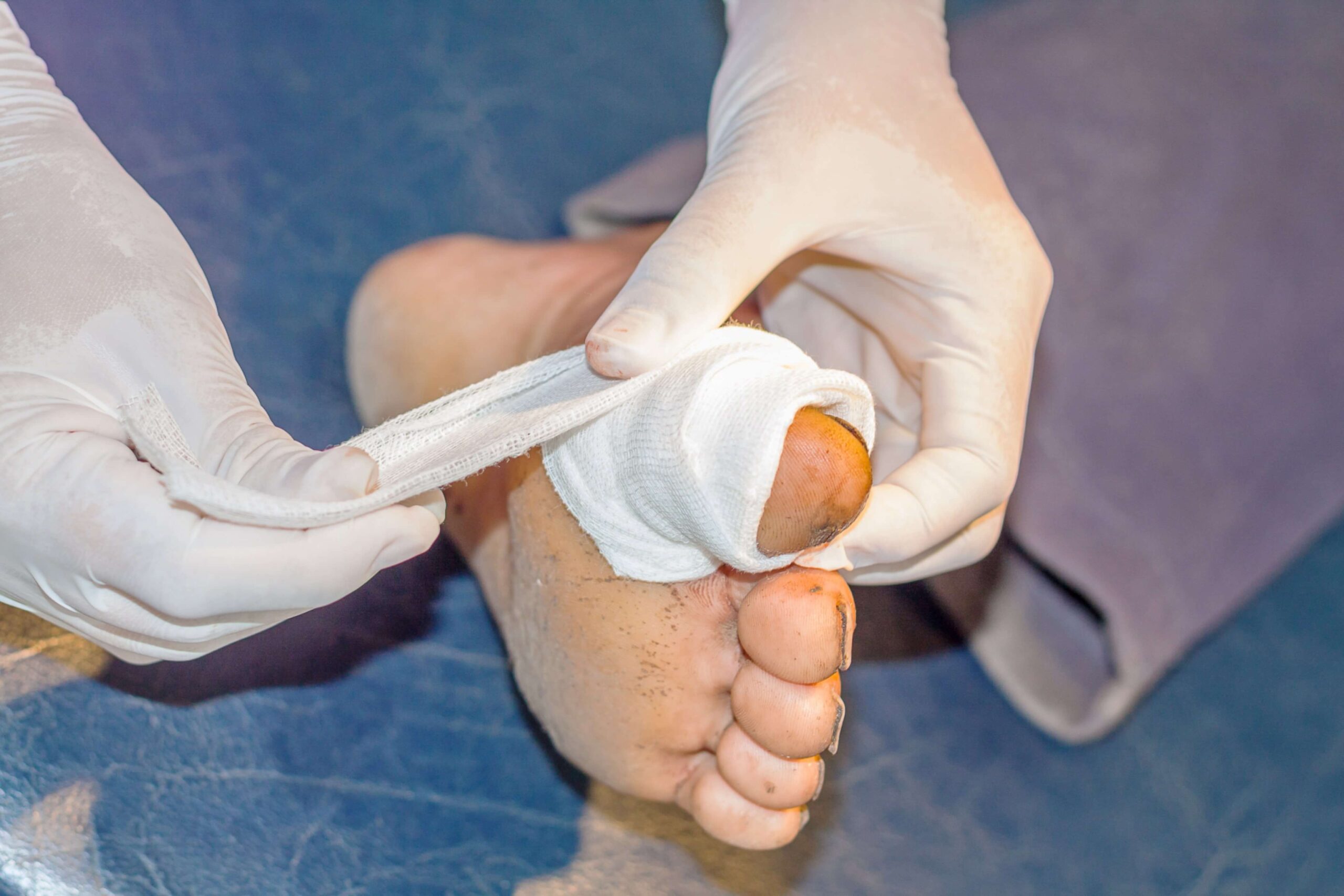
Ankle ulcers, a common but often overlooked condition, can have significant implications on a person’s health and quality of life. They are typically characterized by an open sore or lesion on the skin, usually located over the ankle joint. These ulcers can result from a variety of factors, including poor circulation, nerve damage, chronic diseases such as diabetes, or trauma. The condition not only causes discomfort and pain but can also impair mobility and healing, making effective treatment crucial.
Understanding Ankle Ulcers
Ankle ulcers develop due to an underlying issue that affects the skin and tissues in the ankle area. Common causes include chronic venous insufficiency, peripheral artery disease, or neuropathy—conditions that impede proper blood flow or nerve function. Diabetes is a major risk factor, as it can lead to poor circulation and damage to the nerves, making the skin more susceptible to injuries and slower healing. Other risk factors include obesity, smoking, and a history of varicose veins. The symptoms of an ankle ulcer may vary but often include persistent pain, redness, swelling, and discharge. If left untreated, ulcers can progress to severe infections, potentially leading to complications such as sepsis.
Orthopedic Evaluation and Diagnosis
A comprehensive orthopedic evaluation is essential in diagnosing and developing an effective treatment plan for ankle ulcers. The process typically begins with a detailed medical history and a physical examination to assess the extent of the ulcer and identify any underlying causes. Imaging tests, such as ultrasound or MRI, might be used to evaluate blood flow and tissue condition in the affected area. Lab tests may be performed to check for infection or underlying metabolic conditions. It’s important to differentiate between different types of ankle ulcers—venous, arterial, and neuropathic—as each type requires a tailored treatment approach. Proper diagnosis ensures that the treatment plan addresses the root cause of the ulcer and provides the best possible outcomes.
Orthopedic Treatment Approaches
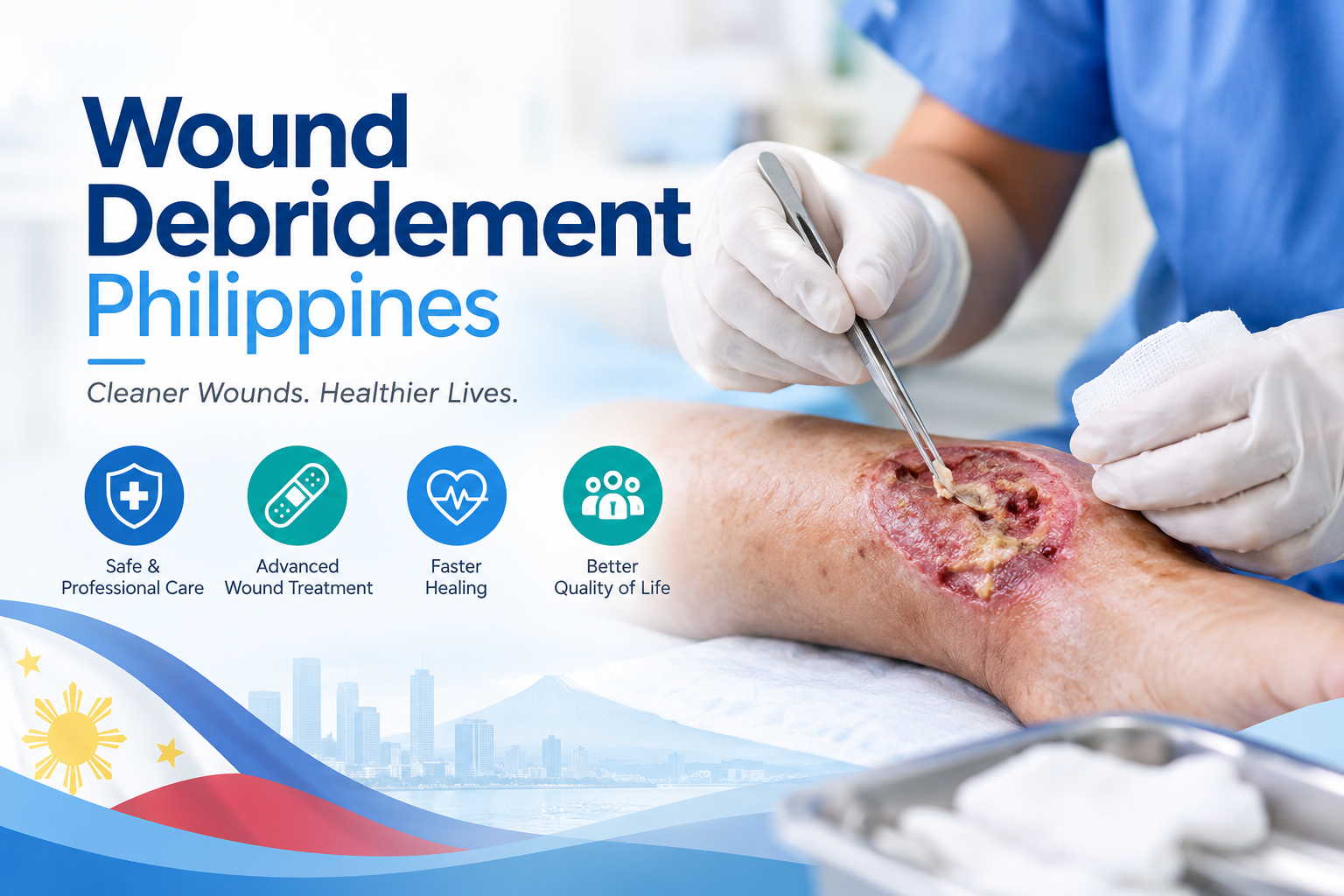
Treatment for ankle ulcers generally falls into two categories: conservative and surgical interventions. Conservative treatment options are the first line of defense and include wound care management. This involves cleaning, debriding, and dressing the ulcer to prevent infection and promote healing. Depending on the severity, different types of dressings such as hydrocolloid, alginate, or foam dressings may be used. Compression therapy is also commonly recommended to manage swelling and improve blood flow, which aids in healing. Pain management strategies, such as nonsteroidal anti-inflammatory drugs (NSAIDs) or, in some cases, opioids, are used to alleviate discomfort.
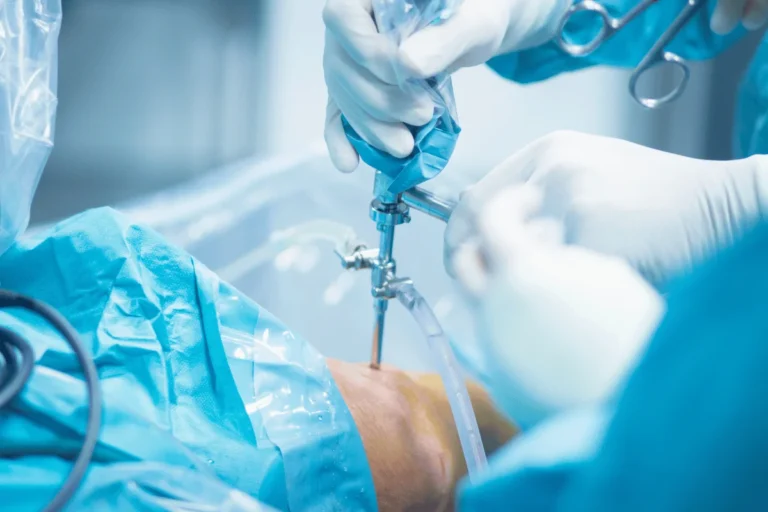
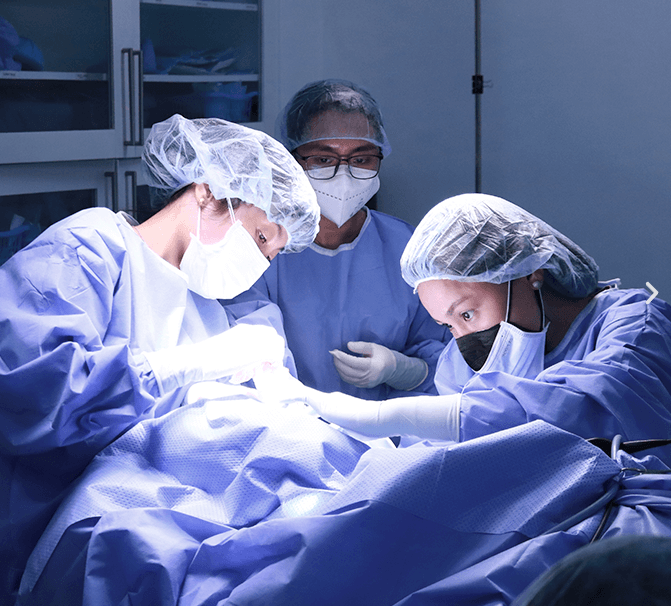
When conservative measures do not yield satisfactory results, surgical intervention may be necessary. Indications for surgery include large ulcers that haven’t responded to non-surgical treatments or ulcers with significant tissue loss. Surgical options include flap surgeries, where healthy tissue is transplanted to cover the ulcer, and skin grafting, where skin from another part of the body is used to close the wound. Post-surgical care is critical, involving close monitoring, dressing changes, and possibly physical therapy to aid recovery. The goal of surgical intervention is to restore skin integrity, alleviate pain, and prevent complications.
Rehabilitation and Physical Therapy
Rehabilitation plays a crucial role in the recovery process after treatment for ankle ulcers. Physical therapy helps improve strength, flexibility, and mobility, which are often compromised due to the ulcer and its treatment. Exercises are tailored to each patient’s needs and may include range-of-motion exercises, strengthening routines, and balance training. Mobility aids such as crutches, walkers, or wheelchairs might be recommended to assist with movement during the healing process. Long-term management strategies are also essential to prevent recurrence of ulcers. This may involve lifelong care such as regular foot inspections, monitoring for signs of new ulcers, and using appropriate footwear and orthotic devices designed to reduce pressure and friction on the skin.
Preventive Measures
Preventing ankle ulcers begins with proactive foot care and addressing any underlying health conditions. Regular foot inspection is critical, especially for individuals with diabetes or vascular disorders. Monitoring blood sugar levels and maintaining good blood circulation are key components of prevention. Compression stockings or bandages can help reduce swelling and improve circulation, reducing the risk of ulcer formation. Choosing appropriate footwear is equally important—shoes should fit well, provide good support, and not be too tight or cause friction. Orthotic devices may also be recommended to offload pressure from certain areas of the foot, further reducing the risk of ulcers.
FAQs (Frequently Asked Questions)
- What are the early signs of an ankle ulcer? Early signs of an ankle ulcer include redness, swelling, pain, and a discharge from the area. If any of these symptoms are present, it’s important to seek medical attention promptly.
- How can I manage pain associated with ankle ulcers? Pain management for ankle ulcers typically involves over-the-counter or prescription pain relievers as needed. Keeping the ulcer clean and using proper dressings can also help reduce discomfort. Elevating the foot and applying ice packs can provide additional relief.
- Can ankle ulcers heal on their own, or do they require medical intervention? While some very minor ankle ulcers might close up with home care, many require medical intervention, particularly if they are large, deep, or show signs of infection. Professional wound care and monitoring are essential to prevent complications.
- How long does recovery take after surgical treatment? Recovery time after surgery for ankle ulcers varies depending on the procedure and the patient’s overall health. Generally, it can take several weeks to a few months, with physical therapy playing a significant role in the rehabilitation process.
- Are there any lifestyle changes that can help prevent ankle ulcers? Yes, making lifestyle changes such as maintaining a healthy weight, quitting smoking, and managing underlying conditions like diabetes can significantly reduce the risk of ankle ulcers. Regular exercise and good foot care practices are also crucial.