
A sudden knee twist during basketball, volleyball, football, running, or another physical activity can quickly turn a normal day into weeks or months of reduced mobility. One common cause of serious knee instability is an anterior cruciate ligament tear. For active patients whose knee repeatedly gives way or cannot support demanding movement, acl surgery may become an important treatment option.
The anterior cruciate ligament, commonly called the ACL, helps control forward movement and rotation of the knee. Sports that require jumping, pivoting, sudden stops, or quick direction changes place considerable stress on this ligament. A tear may cause swelling, pain, limited movement, or a feeling that the knee cannot support the body properly.
Not every ACL tear requires an operation. Some patients may respond well to rehabilitation, especially when knee stability remains acceptable and physical demands are lower. Other patients, particularly athletes and people with persistent instability, may benefit from acl surgery after an orthopedic assessment.
Tec Orthopedics provides orthopedic care for patients around Quezon City, Metro Manila, with Dr. Lou Mervyn Tec providing assessment and treatment for knee conditions, sports injuries, and other orthopedic concerns. Patients considering acl surgery can receive a careful evaluation before deciding which treatment path fits their condition and activity goals.
What Is ACL Surgery?
ACL surgery is an orthopedic procedure commonly performed after a severe anterior cruciate ligament tear. Rather than simply stitching a completely torn ligament together, many procedures reconstruct the damaged ACL using a tissue graft.
The goal is to restore knee stability so the joint can better support walking, running, turning, jumping, and other demanding movements. ACL reconstruction may also reduce repeated episodes of knee buckling among properly selected patients.
According to the American Academy of Orthopaedic Surgeons, treatment selection can depend on factors such as activity level, knee instability, associated injuries, and personal goals. Some partial ACL tears may respond to rehabilitation, while active patients with functional instability may be surgical candidates.
A proper orthopedic evaluation remains necessary because two people with similar ACL tears may have very different treatment needs.
What Causes an ACL Tear?
ACL injuries often occur during movements that place sudden rotational or forward stress on the knee. Basketball players, volleyball players, football players, badminton players, runners, dancers, and other active people may face greater exposure to these movements.
Common ACL injury situations include:
- Sudden direction changes while running
- Pivoting while one foot remains planted
- Awkward landing after a jump
- Sudden stopping or deceleration
- Direct impact to the knee
- Sports collisions
- Falls that twist the knee
- Other traumatic knee injuries
Mayo Clinic notes that ACL tears frequently occur during activities involving sudden stops, direction changes, jumping, or landing.
Although sports receive much attention, an ACL tear can also occur after accidents or other forms of physical trauma. Regardless of cause, continued instability deserves orthopedic assessment, especially when normal walking or work becomes difficult.
Common Signs of an ACL Injury
Some patients describe hearing or feeling a noticeable pop when an ACL injury occurs. Others first notice swelling, pain, or difficulty placing weight on the affected leg.
Possible symptoms include:
- A popping sensation during injury
- Rapid knee swelling
- Pain while walking
- Reduced knee movement
- Difficulty bending or straightening the knee
- Knee weakness
- Repeated buckling
- Loss of confidence during turning or pivoting
- Trouble returning to sports
Symptoms alone cannot confirm whether acl surgery will be necessary. Meniscus injuries, cartilage problems, fractures, or damage to other knee ligaments may cause similar complaints.
A detailed evaluation helps determine what structures have been affected and whether rehabilitation, surgery, or another treatment option should be considered.
How Is an ACL Tear Diagnosed?
Diagnosis usually begins with a discussion about how the injury happened. The orthopedic doctor may ask whether the knee twisted, whether a popping sensation occurred, how quickly swelling developed, and which movements now cause difficulty.
A physical examination may assess:
- Knee swelling
- Range of motion
- Joint stability
- Tenderness
- Walking pattern
- Ability to place weight on the leg
- Comparison between both knees
Imaging may also support diagnosis. X-rays can help assess bone injuries, while MRI may provide more detail about the ACL, meniscus, cartilage, and surrounding structures.
Accurate diagnosis matters because treatment should address the complete knee injury rather than the ACL alone.
Does Every ACL Tear Require ACL Surgery?
No. ACL surgery is not automatically required for every ACL injury.
Some people with partial tears or stable knees may achieve acceptable function through physical therapy and activity changes. AAOS identifies non-operative care as an option, with rehabilitation playing a central role for suitable patients.
Factors that may affect the treatment decision include:
- Partial or complete ACL tear
- Degree of knee instability
- Age
- Daily activity demands
- Sports participation
- Occupation
- Meniscus damage
- Cartilage damage
- Other ligament injuries
- Personal goals
- Overall health
Someone who rarely performs pivoting activities may have different needs from a competitive basketball player. Likewise, a worker whose job requires climbing, carrying, turning, or repeated physical movement may require greater knee stability than someone with a less physically demanding occupation.
When May ACL Surgery Be Recommended?
An orthopedic surgeon may discuss acl surgery when instability continues despite appropriate conservative treatment or when a complete tear prevents safe participation during desired activities.
Possible reasons for considering ACL reconstruction include:
- Complete ACL rupture
- Repeated knee buckling
- Persistent instability
- Combined ACL and meniscus damage
- High physical demands
- Plans to return to pivoting sports
- Difficulty performing work duties
- Failure to regain acceptable function through rehabilitation
Johns Hopkins notes that treatment decisions may consider age, current activity level, desired activity level, and sports or occupational demands.
The decision should be made after discussing expected benefits, possible complications, rehabilitation requirements, and realistic recovery goals.
What Happens During ACL Surgery?
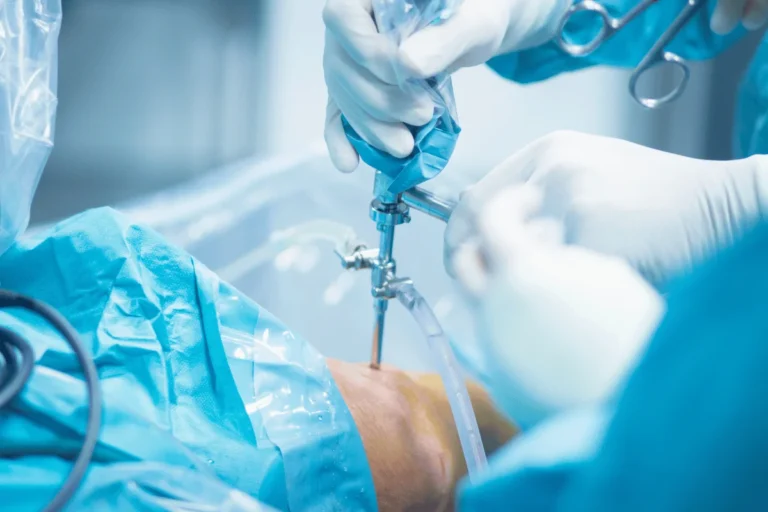
Most modern acl surgery procedures use arthroscopic techniques. Arthroscopy allows the surgeon to examine the knee through small surgical openings with help from a tiny camera.
For ACL reconstruction, damaged ligament tissue is addressed and a graft is positioned to serve as the reconstructed ACL. The graft is secured to the femur and tibia so it can support knee stability while biological healing occurs.
AAOS describes ACL reconstruction as a surgical procedure used to replace a torn ACL and restore knee stability.
Other knee damage may also require attention. For example, a patient may have a meniscus tear alongside an ACL tear. Treatment planning should account for every relevant structure identified during examination, imaging, and surgery.
Graft Choices for ACL Surgery
Several graft options may be considered for acl surgery. No single graft is automatically best for every patient.
Common options may include tissue from the hamstring tendon, patellar tendon, or quadriceps tendon. Certain cases may also use donor tissue.
Graft choice can depend on factors such as:
- Patient age
- Sport
- Activity level
- Previous knee procedures
- Surgeon assessment
- Knee structure
- Recovery goals
- Other knee injuries
The orthopedic surgeon can explain why a specific graft may be more suitable for a particular patient.
Choosing a graft should be part of a broader discussion rather than a decision based only on what another athlete or friend received.
Benefits of Arthroscopic ACL Surgery
Arthroscopic acl surgery uses smaller surgical openings compared with older open approaches. This technique allows the orthopedic surgeon to view internal knee structures while limiting unnecessary disruption to surrounding tissue.
Potential advantages may include:
- Smaller surgical openings
- Detailed visualization of knee structures
- Assessment of meniscus or cartilage damage
- Structured reconstruction of the ACL
- Planned rehabilitation after surgery
- Opportunity to regain knee stability
Results differ between patients. Surgery alone does not guarantee a return to sport or permanent freedom from knee problems.
Rehabilitation, strength recovery, movement control, and appropriate return-to-activity decisions all contribute to the final outcome.
Preparing for ACL Surgery
Preparation can support a safer and more organized recovery period.
Before acl surgery, the medical team may recommend steps aimed at reducing swelling, improving knee motion, and strengthening surrounding muscles. Some patients receive physical therapy before their procedure.
Pre-surgery preparation may focus on:
- Reducing swelling
- Restoring comfortable knee extension
- Improving knee flexion
- Strengthening the quadriceps
- Strengthening the hamstrings
- Practicing safe use of mobility aids
- Preparing the home recovery area
Patients should also discuss medication use, medical conditions, previous surgeries, allergies, and other health concerns with their healthcare team.
Questions worth asking before acl surgery include:
- How severe is my ACL tear?
- Are other knee structures damaged?
- Which graft do you recommend?
- What restrictions should I expect?
- How soon can I return to work?
- How will rehabilitation progress?
- What signs should prompt urgent medical attention?
- What must happen before sports participation resumes?
Clear expectations can help patients prepare mentally and practically for recovery.
ACL Surgery Recovery: What to Expect
Recovery from acl surgery happens gradually. Patients usually progress through several rehabilitation phases rather than returning immediately to normal activity.
Early goals often center on pain control, swelling reduction, knee extension, knee flexion, safe walking, and quadriceps activation.
Later rehabilitation usually shifts toward strength, balance, movement control, endurance, agility, and activity-specific exercises.
Johns Hopkins notes that recovery schedules vary and that return to full activity depends on the patient, the procedure, and rehabilitation progress.
A patient who feels less pain should not assume that the reconstructed ligament has completed biological healing. Functional recovery and graft healing are separate considerations.
Physical Therapy After ACL Surgery
Physical therapy is a major component of acl surgery recovery.
The reconstructed ACL needs time to heal while surrounding muscles regain strength and coordination. Therapy can also help correct movement patterns that may place unnecessary stress on the recovering knee.
Rehabilitation may focus on:
- Knee range of motion
- Quadriceps strength
- Hamstring strength
- Hip strength
- Core control
- Balance
- Walking mechanics
- Jumping mechanics
- Landing mechanics
- Running progression
- Agility
- Sport-specific movement
Rehabilitation should progress according to clinical findings rather than impatience. Moving too quickly may place the knee at unnecessary risk, while progressing too slowly without medical reason may delay functional recovery.
Consistent participation with the rehabilitation program is one of the most important responsibilities patients have after acl surgery.
How Long Does ACL Surgery Recovery Take?
There is no universal recovery schedule that applies to every patient.
Daily activities may return earlier than demanding sports. Walking comfortably, returning to desk work, running, jumping, cutting, and competitive play represent very different levels of knee demand.
Return-to-sport decisions should consider factors such as:
- Strength
- Knee stability
- Range of motion
- Balance
- Jump control
- Landing mechanics
- Agility
- Sport-specific ability
- Confidence
- Medical clearance
Johns Hopkins reports that many patients require several months before returning to full activity, while younger athletes may require around nine months or longer before returning to previous activity levels.
Patients should follow the recovery schedule given by their orthopedic surgeon and rehabilitation team rather than comparing progress with another patient.
Possible Risks of ACL Surgery
Like any operation, acl surgery carries possible complications.
Potential risks may include:
- Infection
- Bleeding
- Blood clots
- Knee stiffness
- Persistent pain
- Reduced knee motion
- Graft failure
- Recurrent instability
- Numbness around surgical areas
- Muscle weakness
- Re-injury
- Need for another procedure
Johns Hopkins identifies pain and loss of knee motion among possible complications after ACL reconstruction.
Risk levels differ based on health status, injury pattern, surgical procedure, rehabilitation progress, and other individual factors. Patients should discuss their personal risk profile before deciding on acl surgery.
Can an ACL Tear Affect Other Knee Structures?
An ACL tear may occur together with damage to the meniscus, cartilage, or other ligaments.
Repeated episodes of instability can also place additional stress on the knee. For that reason, someone whose knee repeatedly buckles should seek proper orthopedic assessment rather than simply avoiding painful movements.
Treatment planning should consider the full condition of the knee. Repairing or reconstructing one structure may not be enough when several structures have been damaged.
A complete assessment before acl surgery helps the surgeon develop a treatment plan based on the actual injury pattern.
Returning to Sports After ACL Surgery
Returning to basketball, volleyball, football, badminton, martial arts, running, or other physical activities is a major goal for many patients considering acl surgery.
Return to sport should not depend only on how many months have passed.
The rehabilitation team may assess:
- Strength symmetry
- Knee stability
- Hop performance
- Balance
- Landing quality
- Cutting ability
- Direction changes
- Agility
- Sport-specific movement
- Confidence during demanding tasks
Basketball and volleyball deserve special attention because both sports involve frequent jumping, landing, rapid stopping, and direction changes. A knee that feels comfortable during walking may still require considerable rehabilitation before it can safely handle those demands.
A gradual progression from basic strengthening to running, jumping, agility drills, sport training, and eventual competition can provide a more structured path after acl surgery.
ACL Surgery for Active Filipino Patients
Basketball, volleyball, badminton, running, cycling, gym training, martial arts, and recreational sports are common activities among Filipinos. ACL injuries can affect both competitive athletes and people who simply enjoy staying active.
For many patients, the biggest concern is not only pain. Loss of confidence can become equally frustrating. A person may hesitate to jump, turn, run, or place full trust on the affected leg after experiencing repeated knee instability.
Proper evaluation helps determine whether acl surgery offers a reasonable treatment option or whether non-surgical rehabilitation may provide acceptable function.
The goal should not simply be returning to activity quickly. The stronger goal is returning with adequate stability, strength, movement control, and medical clearance.
Choosing an Orthopedic Surgeon for ACL Surgery
Choosing an orthopedic surgeon is an important part of planning acl surgery.
Patients may want to consider experience with:
- Knee ligament injuries
- Sports-related knee conditions
- Arthroscopic procedures
- ACL reconstruction
- Graft selection
- Meniscus injuries
- Rehabilitation planning
- Return-to-sport assessment
Good communication also matters. Patients should feel comfortable asking why surgery is being recommended, which graft may be used, what complications are possible, and what recovery expectations are realistic.
The surgeon should also consider the patient’s goals. A competitive athlete, office worker, recreational runner, and older adult may each have different needs.
ACL Surgery at Tec Orthopedics
Tec Orthopedics serves patients around Quezon City, Metro Manila, who require assessment and treatment for orthopedic conditions, including knee and sports-related injuries.
Dr. Lou Mervyn Tec is a board-certified orthopedic surgeon whose educational and training background includes orthopedic experience connected with the Philippines, Japan, and Australia. His clinical work covers orthopedic conditions affecting mobility, joints, and active movement.
Patients considering acl surgery can seek assessment to determine the severity of an ACL injury, check for associated knee damage, and discuss suitable treatment options.
Care may involve diagnosis, surgical planning when appropriate, recovery guidance, and rehabilitation coordination based on the patient’s condition and activity goals.
For someone hoping to return to basketball, work, exercise, or everyday movement, a patient-specific plan can help establish realistic milestones throughout the recovery process.
Why Quezon City Patients May Consider Tec Orthopedics for ACL Care
Convenient access to orthopedic follow-up matters because acl surgery involves more than the operation itself.
Patients may require several assessments during recovery to evaluate wound healing, knee motion, strength, stability, rehabilitation progress, and eventual return to higher-level activities.
Tec Orthopedics offers an option for patients around Quezon City, Metro Manila, seeking orthopedic evaluation for ACL injuries, sports-related knee problems, and possible ACL reconstruction.
Rather than choosing surgery based only on symptoms or online information, patients can receive an orthopedic assessment that considers the whole knee and their personal goals.
Questions to Ask Before Choosing ACL Surgery
Before deciding on acl surgery, consider asking your orthopedic surgeon:
- Is my ACL partially or completely torn?
- How stable is my knee?
- Do I have meniscus damage?
- Has cartilage been affected?
- Could physical therapy alone work for me?
- Which graft option fits my activity level?
- What complications should I know about?
- How long might I need away from work?
- What will rehabilitation require?
- When could running restart?
- Which tests must I pass before returning to sports?
- How can I reduce my chance of another ACL injury?
The answers should reflect your specific knee condition rather than a generic recovery schedule.
Life After ACL Surgery
Life after acl surgery usually involves continued attention to leg strength, movement mechanics, balance, and activity progression.
Even after formal rehabilitation ends, maintaining quadriceps, hamstring, hip, and core strength can support knee control during exercise and sports.
Athletes should continue practicing good jumping and landing mechanics. Recreational patients should also avoid sudden increases to exercise intensity without adequate preparation.
Any return of significant swelling, locking, repeated buckling, or persistent pain deserves medical assessment.
ACL reconstruction can support recovery, but long-term knee care remains an ongoing responsibility.
When Should You See an Orthopedic Doctor?
Seek orthopedic assessment after a knee injury when you experience symptoms such as:
- Rapid swelling
- A popping sensation
- Severe pain
- Difficulty walking
- Loss of movement
- Repeated buckling
- Persistent instability
- Trouble returning to normal activity
Early assessment can help identify whether the ACL, meniscus, cartilage, bone, or another knee structure has been damaged.
Patients around Quezon City and Metro Manila who are concerned about an ACL tear may consult Tec Orthopedics to discuss diagnosis, rehabilitation, or whether acl surgery may be appropriate.
FAQ About ACL Surgery
What is acl surgery?
ACL surgery commonly refers to reconstruction of a torn anterior cruciate ligament. A tissue graft replaces the damaged ligament so the knee can regain greater stability.
Does every ACL tear require acl surgery?
No. Some partial tears and stable knees may respond to physical therapy and activity changes. Complete tears accompanied by significant instability may be more likely to require surgical consideration, especially for active patients.
Can an ACL tear heal without surgery?
Certain patients can function well without acl surgery, particularly when instability is limited and activity demands are lower. Treatment should be selected after an orthopedic assessment.
Is acl surgery painful?
Anesthesia is used during the procedure. Pain and swelling can occur afterward, and the healthcare team may recommend medication, ice, elevation, and rehabilitation measures to support recovery.
Can I walk after acl surgery?
Walking progression depends on the surgical procedure, associated knee repairs, surgeon instructions, and rehabilitation progress. Some patients may initially require crutches or a brace.
How long does acl surgery recovery take?
Recovery usually requires several months. Daily activities often return earlier than competitive sports. Sport clearance should consider strength, stability, movement control, functional testing, and medical assessment rather than time alone.
When can I play basketball again after acl surgery?
The exact timing differs for every patient. Basketball places high demands on the knee through cutting, jumping, pivoting, and landing. Return should occur only after adequate rehabilitation and clearance from the orthopedic and rehabilitation team.
What graft is used for acl surgery?
Common graft choices may come from the hamstring tendon, patellar tendon, or quadriceps tendon. Donor tissue may also be considered for selected patients. Your orthopedic surgeon can recommend an option based on age, activity demands, knee condition, and treatment goals.
What happens if an ACL tear is left untreated?
Some patients function well through rehabilitation, while others continue experiencing instability. Repeated buckling may place additional stress on other knee structures. Proper orthopedic evaluation can help determine whether non-surgical care or acl surgery offers the better path for a particular patient.
Where can I ask about acl surgery around Quezon City?
Tec Orthopedics provides orthopedic assessment for patients around Quezon City, Metro Manila. Dr. Lou Mervyn Tec can assess ACL injuries, review treatment options, discuss possible reconstruction when medically appropriate, and guide patients through recovery planning.
An ACL tear can temporarily interrupt sports, work, exercise, and everyday mobility, but treatment options are available. Whether rehabilitation alone or acl surgery becomes the preferred approach depends on the injury, knee stability, associated damage, activity demands, and personal goals. A proper orthopedic assessment offers the best starting point for making that decision.