Understanding Wound Treatment Centers
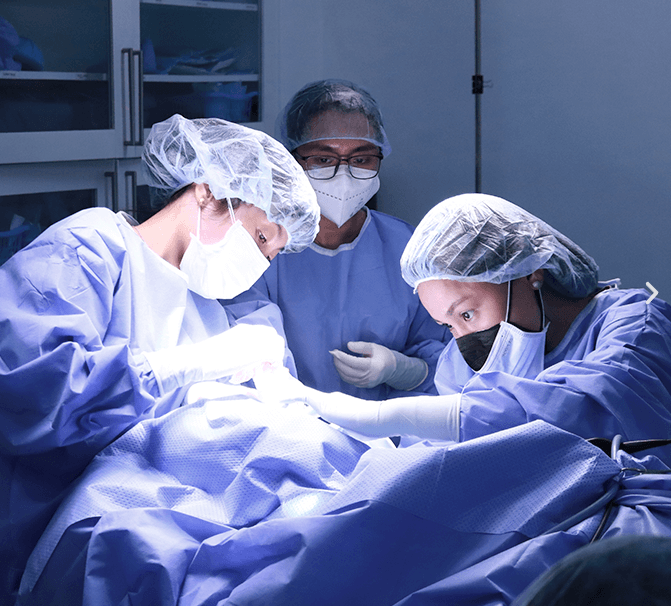
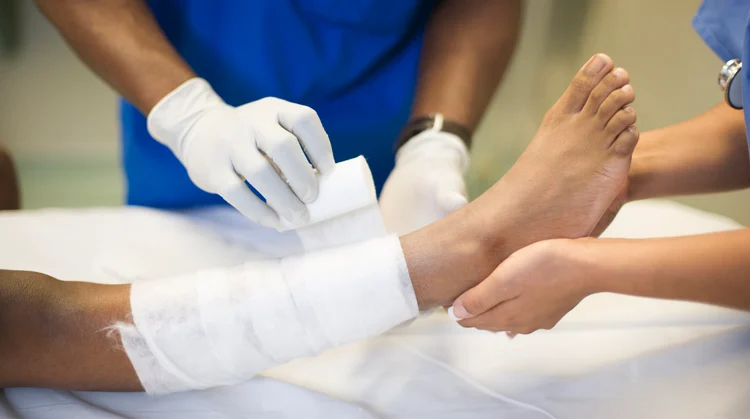
A wound treatment center is a specialized medical facility focused on managing and healing complex or chronic wounds. Unlike general medical care, these centers provide targeted, multidisciplinary treatment tailored to each patient’s needs. They employ a team of specialists, including physicians, nurses, physical therapists, and nutritionists, to ensure optimal healing. Wounds that do not heal properly, such as diabetic ulcers, pressure injuries, burns, and surgical wounds, require careful assessment and ongoing care. Treatment involves both medical interventions and education for patients and caregivers to promote long-term recovery. By focusing on advanced therapies and constant monitoring, wound treatment centers reduce the risk of complications and minimize pain. Emotional and psychological support is also a key component, helping patients maintain confidence and motivation during extended treatment periods.
Who Can Benefit from a Wound Treatment Center
Patients with chronic or non-healing wounds are primary candidates for specialized care. Individuals with diabetes or vascular disorders often experience delayed wound healing and are prone to infections, making them ideal beneficiaries. Elderly patients and those with limited mobility face higher risks for pressure sores and other injuries that require professional attention. Post-surgical patients sometimes need advanced wound management to prevent reopening or infections. Individuals recovering from burns or traumatic injuries can also gain significant benefits from specialized care. Family members and caregivers are supported with guidance on home wound management. Early consultation with a wound treatment center can prevent severe complications and improve overall health outcomes.
Key Services Provided
Wound treatment centers offer a wide range of services designed to accelerate healing and prevent further complications. Initial comprehensive assessment and accurate diagnosis are crucial to create an effective treatment plan. Advanced therapies include:
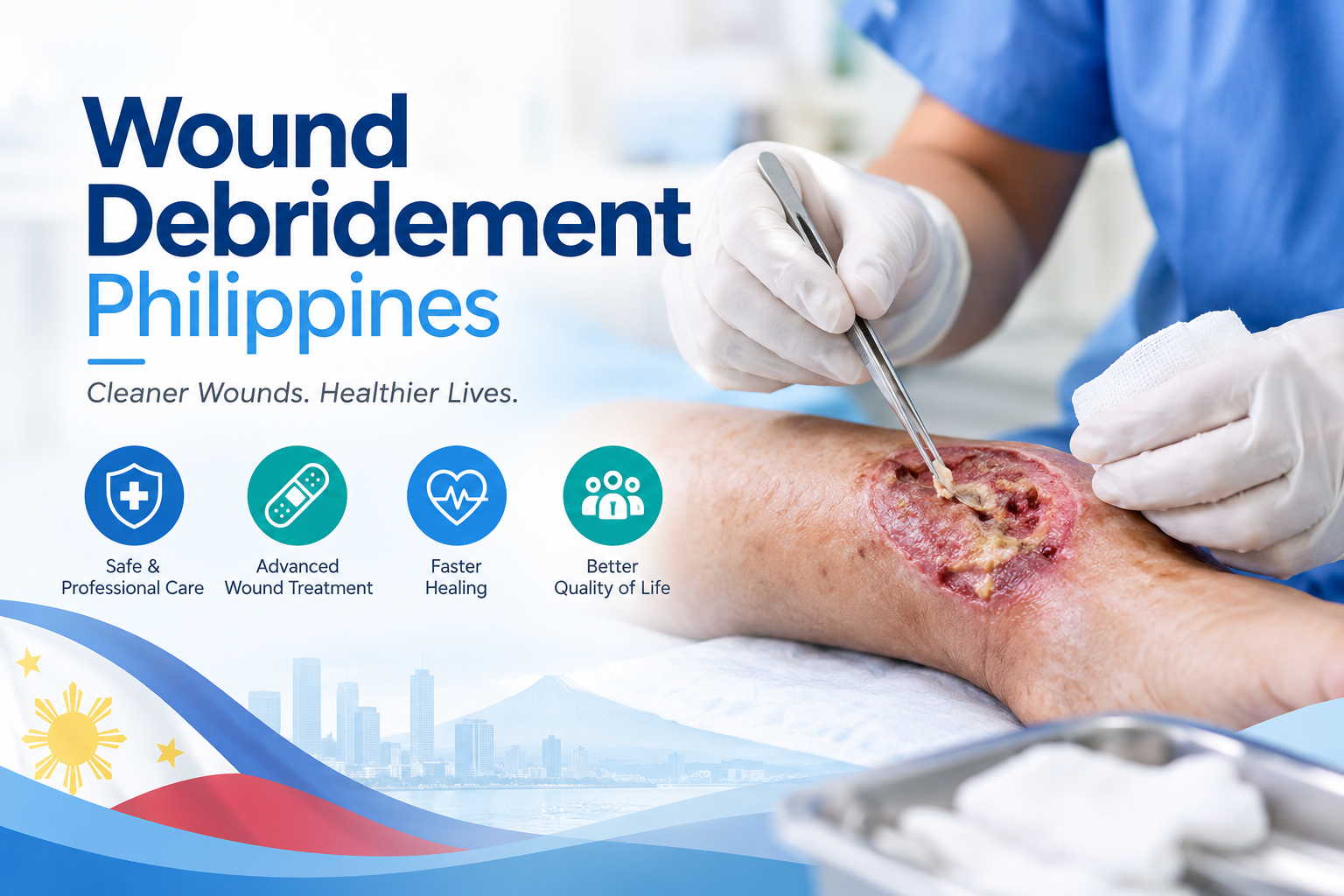
- Debridement to remove dead tissue and promote healing
- Hyperbaric oxygen therapy to increase oxygen supply to tissues
- Negative pressure wound therapy to stimulate cell growth and reduce infection risk
Pain management strategies ensure patient comfort throughout the treatment process. Infection prevention is achieved through proper hygiene, antimicrobial dressings, and ongoing monitoring. Personalized care plans provide guidance for at-home wound care and follow-up visits. Education empowers patients and caregivers to take an active role in wound management, improving long-term results.
Technologies and Innovations in Wound Care
Modern wound treatment centers use innovative technologies to enhance healing. Advanced wound dressings are designed to create an ideal environment for tissue repair and minimize infection. Regenerative therapies, including growth factors and skin substitutes, accelerate the body’s natural healing processes. Telemedicine and remote monitoring allow patients to receive expert guidance without frequent in-person visits. Electronic health records help track wound progress and treatment responses for more precise care. Imaging and diagnostic tools provide detailed insight into wound depth and tissue health. By integrating technology with specialized care, these centers ensure the most efficient and effective healing possible.
The Healing Process: What Patients Can Expect
Patients undergo a thorough initial evaluation to determine the severity and type of wound. Specialists develop a treatment schedule tailored to the wound’s needs, which may include multiple therapy sessions per week. Progress is closely monitored, and adjustments are made to maximize healing. Pain and discomfort are managed with medical interventions and proper wound care techniques. Patients receive education on proper dressing changes, hygiene, and lifestyle adjustments to promote recovery. Emotional support and counseling are provided for patients facing long-term healing challenges. Overall, wound treatment centers aim to restore function, prevent recurrence, and improve quality of life.
Choosing the Right Wound Treatment Center
Selecting a reputable wound treatment center requires attention to several factors. Accreditation and staff qualifications ensure that patients receive expert care. Multidisciplinary teams collaborate to address all aspects of wound management. Patient reputation and feedback provide insight into the center’s effectiveness and patient satisfaction. Location and accessibility are important for regular treatment visits. Insurance coverage and costs should be verified before starting therapy. Personalized attention and clear communication between staff and patients are signs of a high-quality facility. Choosing the right center directly impacts healing outcomes and overall patient experience.
Preventive Measures and Home Care Recommendations
Wound prevention and proper home care play a critical role in long-term healing. Patients are advised on hygiene practices and proper dressing changes. Lifestyle adjustments, such as maintaining a balanced diet and managing chronic conditions, help support recovery. Mobility exercises and pressure-relieving techniques prevent additional injuries. Recognizing early signs of infection ensures prompt professional care. Education on diabetic foot care, skin monitoring, and safe activity practices empowers patients. Combining professional care with diligent home management maximizes healing success and reduces recurrence.
Frequently Asked Questions (FAQ)
What types of wounds are treated at a wound treatment center? Chronic wounds, diabetic ulcers, pressure sores, burns, and post-surgical wounds are all treated.
How soon will I see improvement after starting treatment? Healing timelines vary depending on wound severity, underlying conditions, and treatment type.
Are wound treatment center services covered by insurance? Most centers accept insurance, but coverage depends on your provider and plan.
What makes a wound treatment center more effective than standard care? Specialized expertise, advanced therapies, and personalized treatment plans make them more effective.
Can I continue my regular activities while receiving wound treatment? Most patients can maintain daily routines with guidance from care specialists.
Takeaway
A wound treatment center provides specialized, multidisciplinary care that goes beyond standard medical treatment. With advanced therapies, modern technologies, and personalized care plans, patients experience faster healing and improved quality of life. By addressing both the physical and emotional aspects of recovery, these centers empower patients and caregivers alike. Choosing the right center and following preventive measures ensures optimal outcomes and reduces the risk of complications. For individuals struggling with chronic or complex wounds, partnering with a wound treatment center can transform the healing journey into a manageable and successful process.