Cloudy vision can make simple tasks feel harder than they should. Reading text, watching television, driving at night, checking mobile messages, or recognizing faces may become more difficult once cataracts start affecting vision. Many patients also worry about what happens after surgery, especially when several eye drops must be taken at specific times each day.
Dropless cataract surgery in Naga gives qualified patients a more convenient way to approach cataract recovery. This method follows the same goal as standard cataract surgery: remove the cloudy natural lens and replace it with a clear artificial lens. The difference is that selected medicine may be placed during or around the procedure, which may reduce the need for several post-surgery eye drops.
Lee Tan Eye Center offers trusted eye care for patients who need cataract evaluation, glaucoma assessment, and comprehensive ophthalmology services. Led by Dr. Lee Tan, a board-certified ophthalmologist and experienced eye surgeon, the clinic supports patients through careful screening, personalized treatment planning, and prevention-focused care. For people asking about Dropless cataract surgery in Naga, a proper eye exam is the first step toward knowing whether this option fits their eye condition, health history, and recovery needs.
What Is Dropless Cataract Surgery in Naga?
Dropless cataract surgery in Naga is a cataract surgery approach that aims to reduce dependence on multiple post-operative eye drops. During cataract surgery, the cloudy lens is removed and replaced with an artificial intraocular lens. With a dropless approach, medication may be placed during or near the time of surgery to help manage inflammation and reduce infection-related risks after the procedure.
The term “dropless” can be helpful, but patients should understand what it truly means. It does not always mean that no drops will ever be needed. Some patients may still need specific eye drops after surgery based on healing response, eye pressure, dryness, comfort, or the surgeon’s recommendation. The main idea is to make aftercare simpler for suitable patients.
Dropless cataract surgery in Naga may be especially appealing to older adults, busy patients, and family caregivers who want a recovery plan that is easier to follow. Still, every eye is different. Cataract density, eye pressure, corneal health, retina status, glaucoma history, and other medical factors must be reviewed before deciding whether dropless cataract surgery is a safe and suitable option.
Why Patients Ask About Dropless Cataract Surgery in Naga
Many cataract patients are willing to have surgery but feel concerned about the recovery routine. Standard cataract surgery aftercare often requires prescribed drops for several days or weeks. Some patients need more than one type of drop, taken at different schedules. For people with hand tremors, arthritis, memory issues, poor near vision, or limited family support, this can become stressful.
Dropless cataract surgery in Naga may help reduce that burden. By placing selected medication during or around surgery, the post-operative routine may become less complicated. This can support better comfort for patients who worry about missing doses or placing drops incorrectly.
Family members may also ask about dropless cataract surgery because they often help elderly parents or grandparents during recovery. A simpler plan may make home care easier, especially when patients live alone or when caregivers have work and household duties. While convenience matters, safety always comes first. The right approach should be based on careful eye evaluation, not only patient preference.
How Cataracts Affect Daily Life
Cataracts develop when the natural lens of the eye becomes cloudy. At first, symptoms may be mild. A patient may notice that vision is not as sharp as before, colors look dull, or lights appear too bright. Over time, cataracts can affect reading, walking, driving, work tasks, household chores, and hobbies.
Common cataract symptoms may involve blurry vision, glare from headlights, poor night vision, faded colors, double vision from one eye, and frequent changes to eyeglass prescriptions. Some patients become more dependent on others because daily movement feels less safe. Others avoid night driving or social events because vision feels unreliable.
Dropless cataract surgery in Naga may be discussed when cataracts already affect quality of life and surgery becomes a reasonable option. A cataract evaluation at Lee Tan Eye Center can help determine whether the cataract is the main cause of visual symptoms or whether other eye conditions are also present.
Dropless Cataract Surgery Compared With Traditional Cataract Surgery Aftercare
Traditional cataract surgery and dropless cataract surgery share the same main goal: clearer vision through removal of the cloudy lens. Both require careful preparation, skilled surgery, and follow-up visits. The biggest difference is the medication plan after the procedure.
With traditional cataract surgery, patients are often asked to use prescribed drops after surgery. These may help control inflammation, support comfort, and reduce post-operative concerns. The schedule may involve several doses each day, depending on the doctor’s plan.
Dropless cataract surgery in Naga may reduce the number of drops needed by delivering selected medication during or around surgery. This can make recovery easier for patients who have trouble with eye drop schedules. However, dropless surgery does not remove the need for follow-up care. Patients must still return for checkups, follow activity limits, protect the eye, and report unusual symptoms right away.
Some patients may do better with a traditional post-operative drop plan. Others may be good candidates for dropless cataract surgery. The safest choice depends on the eye exam, medical history, and surgeon’s judgment.
Who May Be a Good Candidate for Dropless Cataract Surgery in Naga?
Dropless cataract surgery in Naga may be suitable for selected patients with cataracts that interfere with daily vision. Good candidates may be people who want a simpler recovery plan, patients who have difficulty applying drops, or older adults who need support with medication schedules.
Patients with arthritis, hand tremors, poor coordination, memory concerns, or limited caregiver support may ask their ophthalmologist about this option. People who have trouble aiming drops properly may also benefit from a treatment plan that reduces the drop burden.
Still, candidacy cannot be confirmed through symptoms alone. A full cataract evaluation is needed. The eye doctor must check vision level, cataract severity, eye pressure, corneal health, optic nerve status, retina condition, and any history of allergy or inflammation. Dropless cataract surgery in Naga should be recommended only when the potential benefits match the patient’s safety needs.
Who May Need a Different Cataract Surgery Plan?
Dropless cataract surgery is not right for every patient. Some people may need a different medication plan because of glaucoma, high eye pressure, retinal disease, active eye inflammation, eye surface disease, corneal concerns, or complex cataracts. Patients with certain allergies or medication sensitivities may also need another approach.
Glaucoma patients require careful planning because eye pressure must be monitored before and after surgery. Some patients may need specific drops or added treatment to protect the optic nerve. This is one reason why choosing an eye doctor with strong glaucoma training matters.
Dr. Lee Tan completed advanced Glaucoma fellowship training at the University of the Philippines–Philippine General Hospital. This background supports careful assessment for patients who may have both cataract and glaucoma concerns. For anyone asking about Dropless cataract surgery in Naga, a complete exam can help identify whether a dropless plan, a traditional drop plan, or another strategy is safest.
Why Choose Lee Tan Eye Center for Cataract Care?
Lee Tan Eye Center is a trusted provider of comprehensive eye care for patients seeking cataract evaluation, glaucoma care, and ophthalmologic services. The clinic is led by Dr. Lee Tan, a board-certified ophthalmologist and experienced eye surgeon with advanced Glaucoma fellowship training from UP–PGH.
Dr. Tan’s academic and clinical background reflects strong preparation for eye care. He graduated cum laude from the University of the Philippines with a degree related to Psychology, earned his Doctor of Medicine degree from UP College of Medicine, and completed ophthalmology residency training at UP–PGH. After several years of general ophthalmology practice, he pursued subspecialty training focused on Glaucoma.
For patients considering Dropless cataract surgery in Naga, this background matters because cataract surgery planning should never focus only on lens clouding. A responsible eye evaluation also checks eye pressure, optic nerve health, and other factors that can affect long-term vision.
Lee Tan Eye Center values preventive and personalized ophthalmologic care. Dr. Tan believes that screening and early detection are better than waiting until a problem requires more complex care. This philosophy supports a stepwise, patient-focused approach where treatment decisions match each patient’s visual needs and health goals.
What to Expect During a Cataract Evaluation
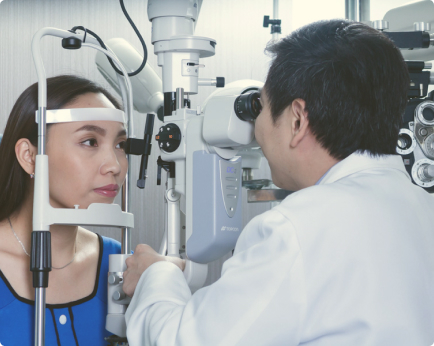
A cataract evaluation helps determine whether cataracts are truly causing vision problems and whether surgery is needed. At Lee Tan Eye Center, the assessment may involve vision testing, eye pressure measurement, slit-lamp examination, dilated eye evaluation, lens assessment, optic nerve review, and retina check.
The doctor may also ask about symptoms, daily activities, driving needs, reading concerns, medical history, medication use, and prior eye problems. This discussion helps connect clinical findings with the patient’s real-life vision needs.
Patients asking about Dropless cataract surgery in Naga should be ready to share whether they can manage eye drops, whether they have caregiver help, and whether they have conditions such as diabetes, glaucoma, or eye inflammation. These details help the ophthalmologist choose a safe recovery plan.
The evaluation may also cover artificial lens options. The chosen lens can affect near vision, distance vision, and possible need for glasses after surgery. A personalized plan can help the patient set realistic expectations before the procedure.
Safety, Recovery, and Follow-Up After Dropless Cataract Surgery in Naga
Dropless cataract surgery in Naga can make recovery easier for selected patients, but it still requires responsible aftercare. Patients should follow all instructions from the ophthalmologist, attend follow-up visits, avoid rubbing the eye, and protect the operated eye as directed.
Vision may improve gradually after surgery. Some patients notice clearer vision after a short period, while others need more time as the eye heals. Mild discomfort, light sensitivity, or blurry vision may happen during early recovery. The doctor will explain what is expected and what should be reported.
Patients should seek urgent eye care if they experience severe eye pain, sudden vision loss, worsening redness, flashes, new floaters, discharge, or a major change from the expected recovery pattern. Dropless cataract surgery does not mean patients can skip checkups or ignore symptoms.
A safe recovery depends on communication between patient and doctor. Lee Tan Eye Center can guide patients through the process, answer concerns, and adjust care if healing requires added support.
Common Myths About Dropless Cataract Surgery
One common myth is that dropless cataract surgery means absolutely no medicine after surgery. The truth is that some patients may still need certain drops or added treatment depending on healing and eye health. The goal is to reduce drop burden, not remove medical supervision.
Another myth is that Dropless cataract surgery in Naga is right for every cataract patient. Suitability depends on a full eye exam. Patients with glaucoma, inflammation, retinal concerns, or other eye conditions may need a different plan.
Some people also think dropless cataract surgery means no follow-up visits. This is not true. Follow-up care remains important because the doctor must check healing, eye pressure, lens position, and visual recovery.
Another myth is that cataracts can be cured by eye drops alone. Once a cataract causes major visual problems, surgery is the proven way to remove the cloudy lens. Eye drops may help with dryness or other symptoms, but they do not remove a mature cataract.
Patients may also worry that cataracts can return after surgery. The cloudy natural lens is removed during surgery, so that same cataract does not grow back. Some patients may later develop clouding behind the artificial lens, which the ophthalmologist can evaluate and treat when needed.
Why Early Cataract Screening Matters
Early cataract screening helps patients understand what is happening to their vision before daily life becomes severely affected. A patient may think blurry vision is just due to age, tiredness, or eyeglasses, yet cataracts, glaucoma, diabetic eye disease, or other eye conditions may also be present.
Dropless cataract surgery in Naga should only be discussed after confirming the source of visual symptoms. A full eye exam can detect cataracts as well as other concerns that may affect treatment planning. This is especially important for older adults and patients with diabetes, high blood pressure, or family history of glaucoma.
Dr. Lee Tan’s care philosophy places strong value on screening, prevention, and early detection. Rather than waiting until vision loss becomes more serious, patients can benefit from timely evaluation and a stepwise plan. Earlier diagnosis may also help patients prepare better for surgery, choose the right lens option, and understand recovery expectations.
Dropless Cataract Surgery in Naga for Patients With Glaucoma Concerns
Cataracts and glaucoma can affect the same patient, especially among older adults. Cataracts make the lens cloudy, while glaucoma can damage the optic nerve, often related to eye pressure. Because these conditions affect vision differently, careful evaluation is needed before surgery.
Patients with glaucoma who ask about Dropless cataract surgery in Naga should have eye pressure and optic nerve health checked closely. Medication choices may matter because certain post-operative responses can affect pressure or inflammation. The ophthalmologist may recommend a dropless approach for some patients, while others may need a more closely controlled drop plan.
Dr. Lee Tan’s Glaucoma fellowship training supports detailed assessment for patients with pressure-related concerns. This can help guide cataract surgery planning beyond visual clarity alone. The goal is not only to remove the cataract but also to protect long-term eye health as much as possible.
Questions to Ask Before Cataract Surgery
Patients can feel more confident when they ask clear questions before surgery. A consultation is a good time to ask whether Dropless cataract surgery in Naga is suitable, whether any drops may still be needed, and what type of artificial lens may fit the patient’s vision goals.
Helpful questions may cover recovery time, activity limits, follow-up visits, warning signs, eyeglass needs after surgery, and whether glaucoma or other eye conditions could affect the plan. Patients should also ask what support they may need at home after the procedure.
Family members can join the discussion when appropriate. This can help older patients remember instructions and prepare for recovery. The more the patient understands the plan, the easier it becomes to follow aftercare correctly.
Why Dropless Cataract Surgery in Naga Should Be Personalized
No two patients have the exact same eyes, lifestyle, or health history. A patient who reads often may have different vision goals from someone who drives daily. A patient with glaucoma may need different monitoring from someone with a simple cataract case. A patient who has trouble using drops may need a recovery plan that reduces stress.
Dropless cataract surgery in Naga should be viewed as one possible option, not a one-size-fits-all answer. Personalized cataract care looks at visual symptoms, cataract severity, eye pressure, cornea status, retina health, daily activities, medication tolerance, and patient support at home.
Lee Tan Eye Center’s patient-centered philosophy fits this approach. Dr. Tan focuses on individualized care plans based on each patient’s needs and goals. Through precision management and stepwise planning, patients can receive guidance that respects both safety and comfort.
When to Visit Lee Tan Eye Center
Patients should visit Lee Tan Eye Center if cloudy vision, glare, faded colors, poor night vision, or reading difficulty starts affecting daily life. A visit is also helpful when eyeglass changes no longer improve vision enough or when family members notice that a loved one is struggling with normal tasks.
People asking about Dropless cataract surgery in Naga can schedule a cataract evaluation to learn whether surgery is needed and whether a dropless approach may be suitable. The clinic can also assess glaucoma risk, eye pressure, optic nerve health, and other eye conditions that may affect vision.
A proper consultation can give patients clear next steps. Some patients may need surgery soon, while others may only need monitoring until cataracts progress. The right timing should be based on symptoms, exam findings, and patient needs.
Clearer Vision Starts With a Proper Cataract Evaluation
Dropless cataract surgery in Naga may offer a more convenient recovery path for selected patients who want to reduce the burden of multiple eye drops after cataract surgery. It can be especially helpful for those who struggle with eye drop schedules or need a simpler post-operative routine.
Still, the best cataract plan should always begin with a complete eye exam. Cataracts, glaucoma, retina concerns, eye pressure, medication tolerance, and patient lifestyle all matter. A careful evaluation helps determine whether dropless cataract surgery, traditional cataract surgery aftercare, or another approach is the safest choice.
Lee Tan Eye Center provides trusted cataract care, glaucoma assessment, and comprehensive ophthalmology services for patients from Naga and nearby communities. Led by Dr. Lee Tan, a board-certified ophthalmologist with advanced Glaucoma fellowship training from UP–PGH, the clinic supports patients through prevention-focused, personalized, and careful eye care.
For patients ready to learn more about Dropless cataract surgery in Naga, a cataract evaluation at Lee Tan Eye Center can help clarify the next step toward better vision and easier recovery.
FAQs About Dropless Cataract Surgery in Naga
What is dropless cataract surgery?
Dropless cataract surgery is a cataract surgery approach where selected medication may be placed during or around the procedure to reduce the need for several post-surgery eye drops. Dropless cataract surgery in Naga may help make recovery more convenient for suitable patients.
Does dropless cataract surgery mean I will not need any eye drops?
Not always. Some patients may still need certain drops after surgery depending on healing, eye pressure, comfort, dryness, or the ophthalmologist’s recommendation. The goal is to reduce the drop burden, not remove follow-up care.
Is Dropless cataract surgery in Naga safe?
Dropless cataract surgery in Naga may be safe for selected patients after proper screening. The ophthalmologist must review cataract severity, eye pressure, retina health, cornea condition, medical history, and possible medication concerns before recommending this approach.
Who may be a good candidate for dropless cataract surgery?
Patients with cataracts who have difficulty managing multiple drops may ask about this option. Older adults, patients with hand tremors, people with arthritis, and those with limited caregiver support may benefit from a simpler recovery plan if their eye exam supports it.
Can glaucoma patients have Dropless cataract surgery in Naga?
Some glaucoma patients may be candidates, but they need careful eye pressure and optic nerve assessment. Dr. Lee Tan’s Glaucoma fellowship training supports careful planning for cataract patients with glaucoma-related concerns.
How do I know if I need cataract surgery?
A cataract evaluation can confirm whether cataracts are causing enough vision difficulty to consider surgery. Symptoms such as cloudy vision, glare, poor night vision, and trouble reading may be signs that an eye exam is needed.
Why choose Lee Tan Eye Center for cataract care?
Lee Tan Eye Center is led by Dr. Lee Tan, a board-certified ophthalmologist and experienced eye surgeon with advanced Glaucoma fellowship training from UP–PGH. The clinic offers cataract evaluation, glaucoma care, and comprehensive ophthalmology services with a patient-centered and prevention-focused approach.
What should I do after dropless cataract surgery?
Patients should follow all instructions from the ophthalmologist, attend follow-up visits, avoid rubbing the eye, protect the operated eye, and report severe pain, sudden vision changes, worsening redness, or unusual symptoms right away.
Is Dropless cataract surgery in Naga right for every patient?
No. Dropless cataract surgery in Naga is not suitable for everyone. Some patients may need standard drops or a different recovery plan due to glaucoma, inflammation, retinal concerns, medication sensitivity, or complex eye conditions.
Where can I ask about Dropless cataract surgery in Naga?
Patients can visit Lee Tan Eye Center for cataract evaluation and discussion of available treatment options. A proper eye exam can help determine whether Dropless cataract surgery in Naga is suitable for their vision needs and eye health.