A Wound treatment center focuses on managing wounds that fail to heal within the expected timeframe or that involve deeper tissue damage requiring specialized care. Complex and non-healing wounds often persist for weeks or months without significant improvement due to underlying medical conditions or improper circulation.
Non-healing wounds usually show slow or stalled recovery despite basic treatment. These wounds may appear open, inflamed, or repeatedly infected. A Wound treatment center evaluates both the surface wound and the internal health factors affecting recovery. Acute wounds normally follow a predictable healing pattern, while chronic wounds remain stuck in an inflammatory phase.
Common warning signs include persistent redness, increasing pain, drainage, foul odor, and tissue breakdown around the affected area.
Common Causes of Non-Healing Wounds
A Wound treatment center often encounters wounds caused by multiple health-related factors. One of the leading causes is diabetes, where high blood sugar levels reduce blood flow and nerve sensitivity, making wounds harder to detect and heal.
Poor circulation is another major contributor. Venous and arterial insufficiencies limit oxygen delivery to tissues, slowing down regeneration. Pressure injuries also occur when prolonged pressure restricts blood flow to specific areas, often affecting bedridden individuals.
Infections can significantly delay healing by damaging healthy tissue and increasing inflammation. Surgical wounds may also become chronic if complications arise during recovery. Trauma, burns, and untreated injuries can also progress into long-term wounds when not managed properly.
Role of a Wound Treatment Center in Chronic Wound Care
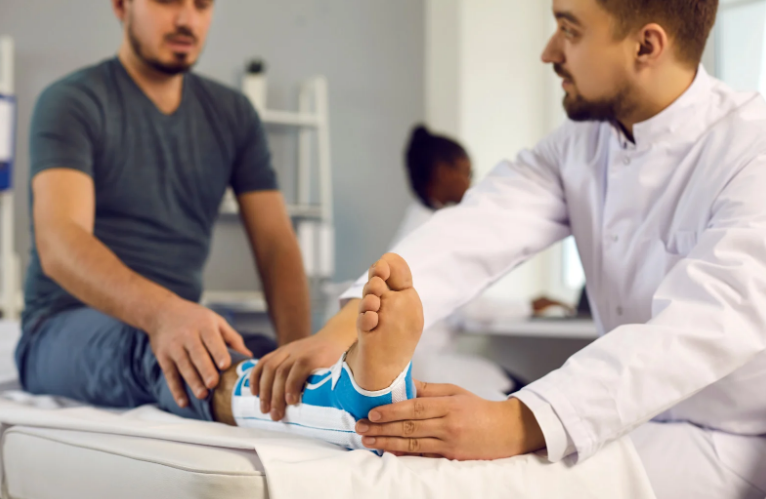
A Wound treatment center provides structured and medically guided care for chronic wounds. The process begins with a thorough assessment that identifies both visible damage and underlying conditions that contribute to delayed healing.
Each patient receives an individualized treatment plan based on wound type, severity, and medical history. A Wound treatment center also coordinates with other healthcare professionals such as physicians, diabetologists, and vascular specialists when needed.
Continuous monitoring ensures that healing progress is tracked and treatment plans are adjusted accordingly. This approach improves outcomes and reduces the risk of complications.
Key Wound Treatment Center Services for Complex and Non-Healing Wounds
Wound Assessment and Diagnostic Testing
A Wound treatment center performs detailed wound assessments to evaluate depth, size, and tissue condition. Diagnostic tools may include imaging tests, blood work, and circulation studies. These assessments help identify infection levels and determine how well blood is reaching the affected area.
Debridement Procedures
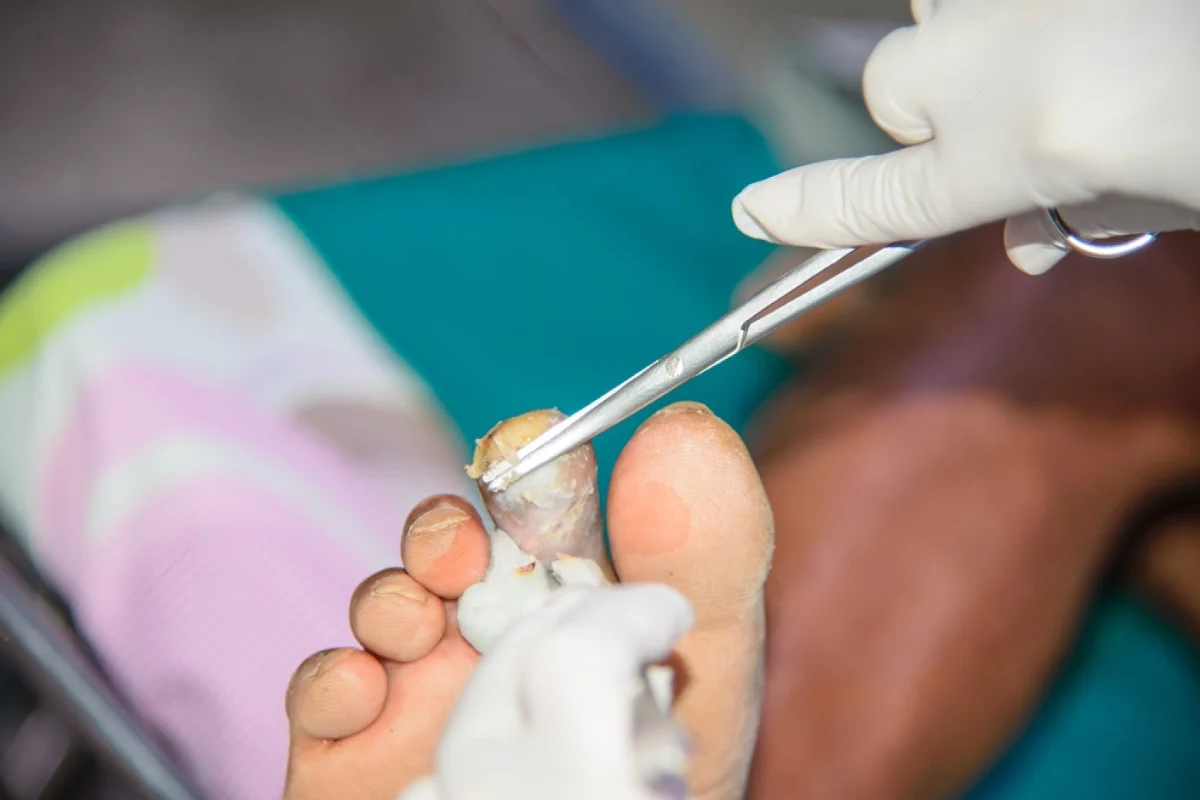
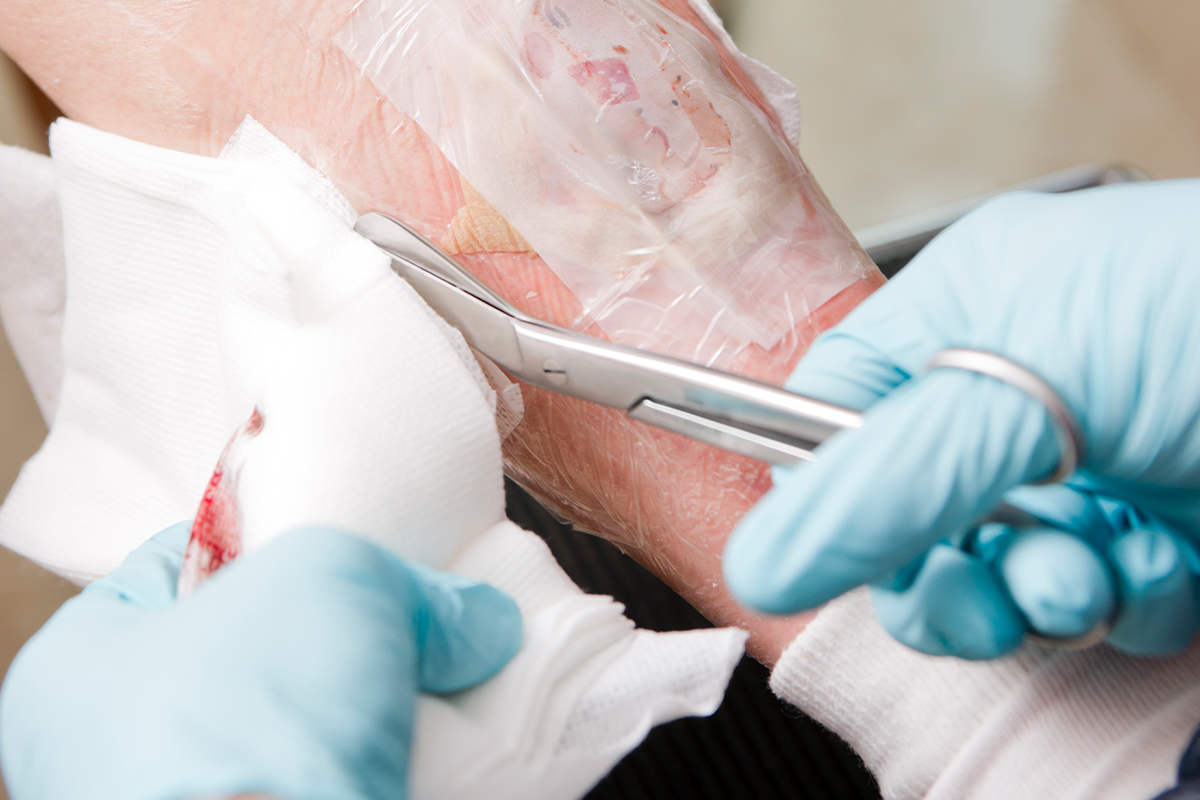
Debridement is the removal of dead, damaged, or infected tissue. A Wound treatment center uses different debridement techniques depending on the wound condition. This process supports faster healing by allowing healthy tissue to grow without obstruction.
Infection Control Management
Infection control is a key service offered by a Wound treatment center. Treatments may include topical or oral antibiotics, antiseptic cleaning, and wound irrigation. Careful monitoring ensures that infections do not spread or worsen the condition.
Advanced Wound Dressings
Specialized dressings help maintain a balanced moisture level in the wound area. A Wound treatment center may use foam dressings, hydrocolloids, or alginate materials depending on wound type. These dressings protect the wound and promote tissue regeneration.
Negative Pressure Wound Therapy (NPWT)
NPWT uses controlled suction to remove excess fluid and improve blood flow to the wound area. A Wound treatment center applies this therapy for deep or complex wounds, helping accelerate tissue formation and reduce swelling.
Compression Therapy for Venous Wounds
Compression therapy is commonly used by a Wound treatment center to treat venous ulcers. Compression bandages or garments help improve circulation and reduce fluid buildup in the lower limbs.
Offloading Techniques for Pressure Wounds
Reducing pressure on affected areas is essential for healing. A Wound treatment center may recommend specialized cushions, footwear, or repositioning techniques to prevent further tissue damage.
Specialized Care for Specific Wound Types
Diabetic Foot Ulcer Care
A Wound treatment center manages diabetic foot ulcers by addressing both the wound and blood sugar control. Proper foot care education is also provided to prevent future complications.
Pressure Ulcer Treatment
Pressure ulcers require careful staging and consistent repositioning. A Wound treatment center ensures pressure is reduced while supporting tissue recovery.
Venous and Arterial Ulcer Management
Circulation-related wounds require targeted therapy. A Wound treatment center evaluates vascular health to determine whether venous or arterial issues are affecting healing.
Burn and Trauma Wound Care
Burns and traumatic injuries often require long-term management. A Wound treatment center supports skin regeneration while also addressing scarring and functional recovery.
Patient Education and Home Care Guidance
A Wound treatment center emphasizes patient education as part of long-term recovery. Proper wound cleaning techniques, dressing care, and hygiene practices are explained clearly to patients and caregivers.
Nutrition also plays an important role in wound healing. A diet rich in protein, vitamins, and minerals supports tissue repair. Patients are also guided on lifestyle habits that may impact recovery, such as smoking or inactivity.
Preventing Wound Complications
Preventing complications is a major goal of a Wound treatment center. Early intervention significantly reduces the risk of chronic wound development. Regular checkups are especially important for individuals with diabetes or poor circulation.
Proper skin care, regular movement, and pressure relief techniques are recommended to avoid wound formation. Monitoring minor injuries early helps prevent them from becoming severe.
When to Visit a Wound Treatment Center
A Wound treatment center should be consulted when wounds fail to show improvement after several weeks. Signs such as increased pain, swelling, redness, or discharge indicate possible complications.
Wounds that repeatedly reopen or show signs of infection also require professional care. Individuals with chronic conditions like diabetes or vascular disease should seek early evaluation to prevent worsening damage.
Benefits of Specialized Wound Treatment Center Services
A Wound treatment center provides structured care that improves healing outcomes and reduces complications. Patients benefit from advanced medical techniques designed specifically for chronic wounds.
Improved circulation, infection control, and tissue regeneration support faster recovery. Access to specialized equipment and trained professionals ensures a higher standard of care compared to general wound management approaches.
Why Choose Kalingap Wound Care Clinic
A Wound treatment center like Kalingap Wound Care Clinic offers focused expertise in managing complex and non-healing wounds. Their approach centers on accurate assessment, individualized care planning, and advanced wound care techniques.
Patients benefit from structured treatment protocols designed to address both the wound and its underlying causes. As a trusted provider, Kalingap Wound Care Clinic supports long-term healing and improved quality of life for individuals dealing with chronic wounds.
Frequently Asked Questions (FAQ)
What is a Wound treatment center?
A Wound treatment center is a medical facility that specializes in managing chronic, complex, and non-healing wounds using advanced therapies and structured care plans.
How long does it take for a non-healing wound to improve?
Healing time depends on wound severity, overall health, and treatment consistency. Some wounds may take weeks, while others require longer care.
What treatments are used in a Wound treatment center?
Common treatments include debridement, infection control, advanced dressings, compression therapy, and negative pressure wound therapy.
Can chronic wounds be fully healed?
Many chronic wounds can heal with proper treatment, especially when underlying conditions are managed effectively.
When should someone visit a Wound treatment center?
A visit is recommended when a wound shows no improvement within two to three weeks or shows signs of infection or worsening condition.