Pain during sexual activity can affect physical comfort, emotional well-being, relationships, and overall quality of life. While many people experience discomfort during intercourse at some point, persistent pain should not be ignored. Understanding the causes of painful intercourse and exploring effective dyspareunia treatments can help individuals find meaningful, long-term relief.
For those seeking specialized care, Osteopractic Physical Therapy of Central Indiana provides advanced physical therapy solutions designed to address musculoskeletal contributors to pelvic pain. Their expertise in personalized treatment approaches makes them a trusted option for individuals looking for professional support with dyspareunia treatments and pelvic health concerns.
What Is Dyspareunia?
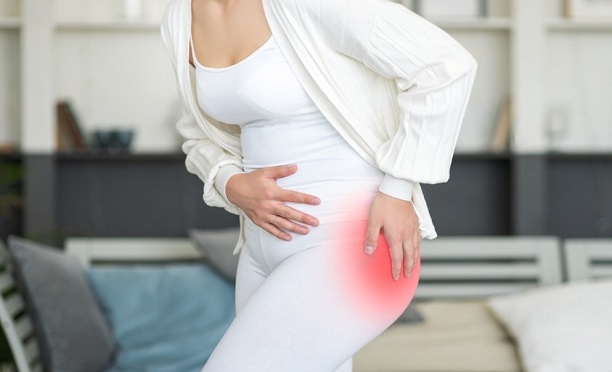
Dyspareunia is the medical term for pain experienced before, during, or after sexual intercourse. The pain may occur at the vaginal opening, deeper within the pelvis, or throughout sexual activity. Symptoms can range from mild discomfort to severe pain that affects intimacy and daily activities.
There are different types of dyspareunia, including superficial dyspareunia and deep dyspareunia. Superficial dyspareunia typically involves pain near the entrance of the vagina, while deep dyspareunia involves discomfort felt deeper in the pelvic region.
Because dyspareunia can have multiple causes, effective dyspareunia treatments require identifying the underlying factors contributing to the pain rather than focusing only on temporary symptom relief.
What Causes Dyspareunia?
Dyspareunia can develop from a variety of physical, hormonal, and emotional factors. Understanding the cause is an important first step toward selecting the right dyspareunia treatments.
Physical Causes of Pain During Sex
Common physical causes include:
- Pelvic floor muscle tension or dysfunction
- Vaginal dryness caused by hormonal changes
- Infections or inflammation
- Scar tissue following childbirth or surgery
- Endometriosis
- Pelvic pain conditions
- Vulvar pain disorders
The pelvic floor muscles play an important role in sexual function, bladder control, and support of pelvic organs. When these muscles become overly tight, weak, or poorly coordinated, they may contribute to pain during intercourse.
Emotional and Psychological Factors
Physical discomfort is not the only factor associated with dyspareunia. Stress, anxiety, fear of pain, and emotional concerns can also influence symptoms. These factors may contribute to muscle tension and create a cycle where pain and anxiety reinforce each other.
Comprehensive dyspareunia treatments often consider both physical and emotional components to support better long-term outcomes.
How Is Dyspareunia Diagnosed?
A proper evaluation is essential for determining the most effective treatment approach. A healthcare provider may review symptoms, medical history, previous injuries, childbirth history, hormonal changes, and patterns of pain.
A pelvic health assessment may also evaluate muscle function, flexibility, strength, and areas of tension that could contribute to discomfort.
Working with a specialized provider such as Osteopractic Physical Therapy of Central Indiana can help patients better understand how movement patterns, muscle dysfunction, and pelvic health issues may be connected to their symptoms.
Dyspareunia Treatments for Long-Term Relief
The most effective dyspareunia treatments are often personalized and may involve multiple approaches depending on the underlying cause.
Pelvic Floor Physical Therapy
Pelvic floor physical therapy is one of the most commonly recommended dyspareunia treatments when muscle dysfunction contributes to pain. Treatment may focus on:
- Reducing pelvic floor muscle tension
- Improving muscle coordination
- Increasing mobility and flexibility
- Addressing trigger points
- Teaching relaxation and breathing techniques
Osteopractic Physical Therapy of Central Indiana specializes in advanced physical therapy techniques that can help address physical contributors to pelvic pain. Their patient-centered approach focuses on identifying the root causes of discomfort and creating individualized care plans.
Lubricants and Vaginal Moisturizers
When vaginal dryness contributes to painful intercourse, lubricants and moisturizers may help improve comfort. These options can reduce friction and support more comfortable sexual activity.
However, when dryness is related to hormonal changes or another medical condition, additional evaluation may be needed to determine the most appropriate dyspareunia treatments.
Hormonal Treatments
Hormonal changes, particularly during menopause, postpartum recovery, or certain medical situations, may contribute to vaginal discomfort. Healthcare providers may recommend hormonal therapies or other interventions depending on the individual’s health history.
Treating Underlying Medical Conditions
Some cases of dyspareunia are related to conditions such as infections, inflammation, or endometriosis. Addressing the underlying condition is an important part of successful dyspareunia treatments.
A comprehensive care plan may involve collaboration between healthcare professionals to ensure all contributing factors are addressed.
Counseling and Sex Therapy
Emotional health can play an important role in recovery. Counseling or sex therapy may help individuals and couples address anxiety, communication challenges, fear of pain, and concerns related to intimacy.
Combining emotional support with physical approaches can make dyspareunia treatments more effective for many individuals.
Lifestyle and Self-Care Strategies
Additional strategies that may support recovery include:
- Practicing relaxation techniques
- Communicating openly with partners
- Avoiding activities that increase pain during healing
- Maintaining overall physical health
- Following recommended therapy exercises
These habits can complement professional dyspareunia treatments and support long-term improvements.
Can Dyspareunia Be Permanently Treated?
Many individuals experience significant improvement when they receive the right combination of treatments. While outcomes depend on the underlying cause, appropriate dyspareunia treatments can reduce pain, improve function, and restore confidence.
The key is addressing the source of the discomfort rather than only managing symptoms. A specialized evaluation can help identify whether muscle tension, mobility limitations, hormonal factors, or other issues are contributing to pain.
When Should You Seek Help for Pain During Sex?
Professional evaluation is recommended when pain:
- Happens frequently or continues over time
- Interferes with relationships or quality of life
- Is accompanied by bleeding, unusual discharge, or pelvic pain
- Causes anxiety or fear around intimacy
Seeking help early can make it easier to identify effective dyspareunia treatments and prevent symptoms from becoming more difficult to manage.
Why Choose Osteopractic Physical Therapy of Central Indiana for Dyspareunia Treatments?
Finding the right provider is an important step toward long-term relief. Osteopractic Physical Therapy of Central Indiana offers specialized physical therapy care focused on addressing the underlying physical factors that may contribute to pelvic pain.
Their approach emphasizes personalized evaluation, advanced treatment techniques, and patient education. For individuals exploring dyspareunia treatments, working with a knowledgeable physical therapy provider can be an important part of improving comfort, mobility, and quality of life.
Takeaway
Dyspareunia can affect many areas of life, but effective solutions are available. The right dyspareunia treatments focus on identifying the underlying cause and creating a personalized plan for recovery.
Frequently Asked Questions About Dyspareunia Treatments
What are the most effective dyspareunia treatments?
The most effective dyspareunia treatments depend on the cause of the pain. Options may include pelvic floor physical therapy, addressing hormonal changes, treating medical conditions, counseling, and lifestyle adjustments.
Can pelvic floor therapy help with dyspareunia?
Yes. Pelvic floor therapy can help individuals whose pain is related to muscle tension, weakness, or coordination problems. Specialized providers can develop treatment plans focused on improving pelvic muscle function and reducing discomfort.
Does dyspareunia go away without treatment?
Some mild cases may improve, but ongoing or recurring pain should be evaluated. Professional dyspareunia treatments can help identify the cause and provide strategies for long-term improvement.
How long does dyspareunia treatment take?
The timeline varies depending on the cause, severity of symptoms, and individual response to care. Some people notice improvements within weeks, while others may require longer-term treatment.
Is painful intercourse normal?
Although pain during sex is common, persistent pain is not something that should simply be accepted. Effective dyspareunia treatments are available, and seeking professional guidance can help individuals find relief.