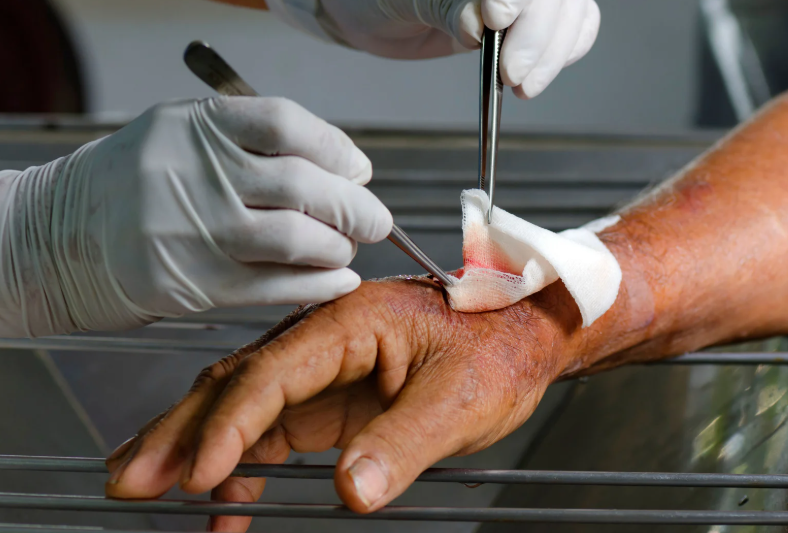
Every wound deserves proper attention, whether it results from a minor accident, surgery, diabetes, or another medical condition. While many cuts and scrapes heal with basic first aid, others require specialized treatment to prevent complications and encourage healthy recovery. Choosing a trusted wound care facility can make a meaningful difference by providing expert assessment, advanced therapies, and personalized care plans designed to support healing.
KALINGAP Wound Care Clinic is dedicated to providing compassionate, patient-centered care that combines advanced medical techniques with evidence-based practices. Guided by the Filipino values of care and nurture, the clinic focuses on treating both the wound and the individual behind it. Every treatment plan is created with the patient’s health, comfort, and long-term well-being as the priority.
Whether you are dealing with a chronic wound, a diabetic foot ulcer, a pressure injury, or a surgical wound, learning what a specialized wound care facility offers can help you make informed decisions about your healthcare.
What Is a Wound Care Facility?
A wound care facility is a healthcare center dedicated to evaluating, treating, and managing wounds that require more than routine first aid. These facilities focus on acute and chronic wounds using evidence-based treatment methods, advanced technologies, and personalized care plans.
Unlike general medical clinics that address a wide range of health concerns, a wound care facility specializes solely in wound healing. Healthcare professionals carefully assess each patient’s condition to identify factors that may delay recovery, such as diabetes, poor circulation, infection, or underlying medical conditions.
Treatment often involves a multidisciplinary approach that includes wound assessment, advanced dressings, infection management, pressure relief strategies, patient education, and ongoing monitoring. This comprehensive approach helps improve healing outcomes while reducing the risk of complications.
Patients of all ages may benefit from visiting a wound care facility, especially those with wounds that have not healed after several weeks or those living with chronic health conditions that affect healing.
Types of Wounds Commonly Treated at a Wound Care Facility
A specialized wound care facility provides treatment for many different types of wounds, each requiring a unique approach.
Acute Wounds
Acute wounds usually occur suddenly and often heal within a predictable timeframe when properly treated. Examples include:
- Surgical wounds
- Cuts and lacerations
- Burns
- Traumatic injuries
- Animal bites
- Abrasions
Although these wounds may heal naturally, complications such as infection or delayed healing can develop without proper care.
Chronic Wounds
Chronic wounds take longer to heal and often require specialized management. A wound care facility commonly treats:
- Diabetic foot ulcers
- Pressure ulcers (bedsores)
- Venous leg ulcers
- Arterial ulcers
- Non-healing surgical wounds
- Infected wounds
- Complex soft tissue injuries
These wounds often need continuous monitoring, advanced treatment techniques, and patient education to improve healing and reduce recurrence.
Services Offered by KALINGAP Wound Care Clinic
KALINGAP Wound Care Clinic provides comprehensive services designed to address every stage of wound healing. Each service is tailored to meet the patient’s unique needs while supporting faster recovery.
Advanced Wound Assessment
Effective treatment begins with a thorough evaluation. Every patient receives a detailed wound assessment that examines:
- Wound size and depth
- Tissue condition
- Circulation
- Signs of infection
- Medical history
- Factors affecting healing
This assessment allows healthcare professionals to create a personalized treatment plan that addresses the patient’s specific condition rather than applying a one-size-fits-all approach.
A detailed evaluation also helps determine whether advanced therapies are appropriate, allowing the wound care facility to provide targeted treatment from the start.
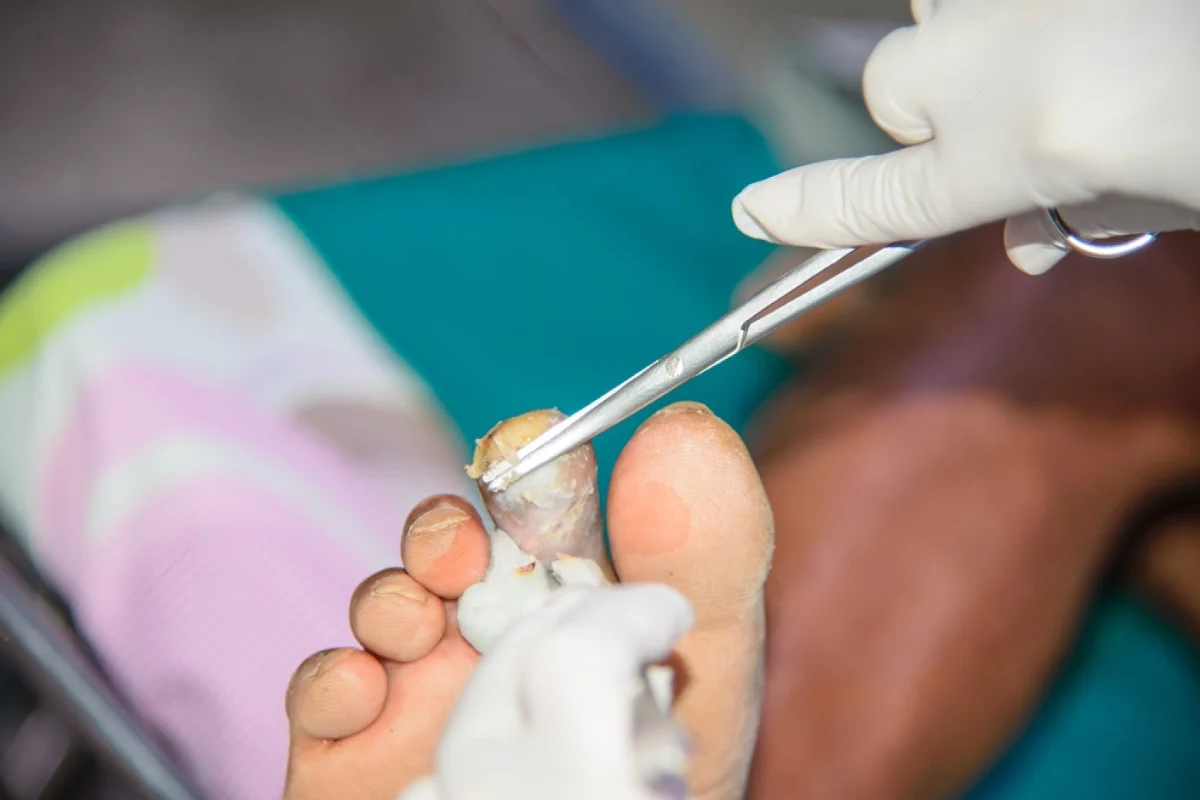
Debridement Services
Dead or damaged tissue can delay healing and increase the risk of infection. Debridement removes this unhealthy tissue, creating a cleaner wound bed that supports healthy tissue growth.
KALINGAP Wound Care Clinic offers debridement using clinically appropriate methods, including ultrasonic debridement when suitable for the patient’s condition.
Regular debridement performed at a qualified wound care facility may improve healing by reducing bacteria, encouraging healthy tissue formation, and preparing the wound for advanced dressings.
Negative Pressure Wound Therapy
Negative Pressure Wound Therapy (NPWT) uses controlled vacuum pressure to assist wound healing.
This treatment may help:
- Remove excess fluid
- Improve blood circulation
- Encourage granulation tissue growth
- Reduce swelling
- Support faster healing
Patients with complex wounds often benefit from this advanced treatment when recommended by healthcare professionals at a specialized wound care facility.
Diabetic Foot Ulcer Management
People living with diabetes face a higher risk of developing foot ulcers because of poor circulation and reduced sensation.
KALINGAP Wound Care Clinic provides comprehensive diabetic wound management that includes:
- Regular wound evaluation
- Infection control
- Pressure relief techniques
- Advanced wound dressings
- Preventive education
- Follow-up monitoring
Early treatment at a wound care facility may reduce the risk of serious complications while supporting better long-term foot health.
Pressure Ulcer Treatment
Pressure ulcers commonly develop among individuals with limited mobility.
Treatment plans may include:
- Advanced wound dressings
- Pressure redistribution
- Skin protection
- Nutrition recommendations
- Regular wound monitoring
Healthcare professionals work closely with patients and caregivers to encourage healing while reducing the likelihood of future pressure injuries.
Infection Control and Management
Untreated wound infections may slow healing and increase health risks.
KALINGAP Wound Care Clinic provides careful evaluation and targeted treatment to help manage wound infections safely.
Treatment may include:
- Wound cleaning
- Advanced dressings
- Monitoring for infection
- Appropriate clinical interventions
- Patient education
Prompt care from a wound care facility helps reduce complications and supports healthier recovery.
Venous Insufficiency Ulcer Care
Venous leg ulcers often result from poor blood circulation.
Treatment may include:
- Compression therapy
- Specialized dressings
- Circulation management
- Routine follow-up visits
Long-term care and patient education play an important role in reducing recurrence and promoting healthy circulation.
Education and Prevention Programs
Healing continues beyond clinic visits.
KALINGAP Wound Care Clinic believes that informed patients are better prepared to care for themselves.
Education programs focus on:
- Proper wound cleaning
- Dressing changes
- Nutrition
- Diabetes management
- Skin care
- Pressure injury prevention
- Early warning signs of infection
This educational approach helps patients become active participants throughout their healing journey.
Benefits of Choosing a Specialized Wound Care Facility
Choosing a dedicated wound care facility offers several advantages compared to relying solely on general wound treatment.
Expert Clinical Care
Specialized healthcare professionals possess extensive knowledge of wound healing and advanced treatment techniques. Their experience allows them to identify problems early and recommend appropriate interventions.
Personalized Care Plans
No two wounds are exactly alike.
Each patient receives an individualized treatment plan based on:
- Medical history
- Overall health
- Type of wound
- Healing progress
- Personal goals
This personalized approach supports more effective care.
Advanced Technology
Modern equipment and evidence-based treatment methods allow a wound care facility to manage complex wounds more effectively.
Advanced therapies such as Negative Pressure Wound Therapy and ultrasonic debridement may improve healing for eligible patients.
Compassionate Patient Experience
KALINGAP Wound Care Clinic places equal importance on medical care and emotional support.
Patients receive respectful treatment while families receive guidance throughout the healing process. This compassionate approach reflects the clinic’s commitment to providing care rooted in kindness, understanding, and dignity.
Better Healing Outcomes
Specialized care may help patients achieve:
- Faster wound healing
- Reduced infection risk
- Fewer complications
- Improved mobility
- Better quality of life
- Greater confidence during recovery
Signs You Should Visit a Wound Care Facility
Certain wounds should be evaluated by healthcare professionals rather than managed at home.
You should consider visiting a wound care facility if you experience:
- A wound that has not healed after several weeks
- Increasing redness or swelling
- Persistent drainage
- An unpleasant odor
- Fever associated with the wound
- Severe pain
- Diabetic foot wounds
- Pressure injuries
- Poor circulation-related wounds
- Recurrent wounds
Seeking care early may help prevent complications while supporting healthier healing.
What to Expect During Your First Visit
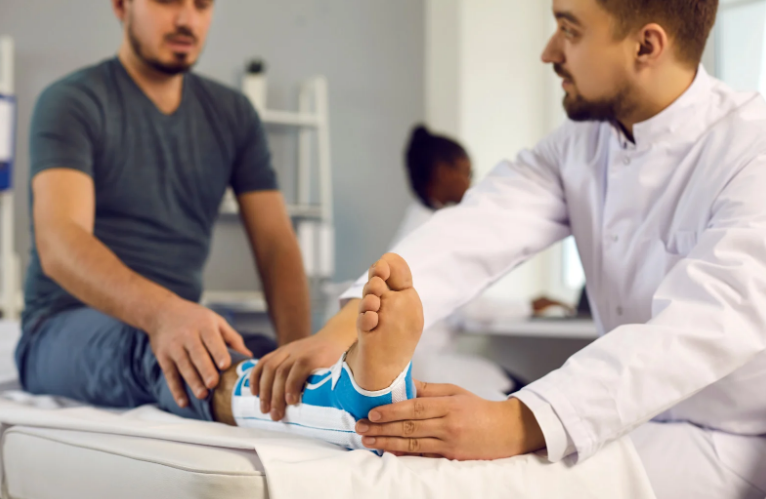
Visiting a wound care facility is a straightforward process focused on understanding your condition and creating an effective treatment plan.
Initial Consultation
Your healthcare provider will review:
- Medical history
- Current medications
- Existing health conditions
- Previous wound treatments
- Lifestyle factors affecting healing
Comprehensive Wound Assessment
A detailed examination includes:
- Measuring wound dimensions
- Evaluating tissue quality
- Checking circulation
- Looking for signs of infection
- Assessing surrounding skin
This information guides treatment decisions.
Customized Treatment Plan
After the assessment, patients receive recommendations that may include:
- Dressing selection
- Debridement
- Advanced therapies
- Home care instructions
- Follow-up appointments
- Preventive guidance
Every plan is adjusted as healing progresses.
Why Choose KALINGAP Wound Care Clinic
KALINGAP Wound Care Clinic stands out through its commitment to compassionate, ethical, and evidence-based care.
The clinic believes healing involves much more than treating a wound. Every patient receives individualized attention designed to support physical recovery while respecting emotional well-being.
Guided by the Filipino values of care and nurture, the clinic works to make specialized wound services more accessible through community outreach, education, and affordability initiatives.
Patients also benefit from advanced wound assessment, modern treatment methods, preventive education, and continuous follow-up. This patient-centered approach allows KALINGAP Wound Care Clinic to provide dependable care for individuals living with both acute and chronic wounds.
Choosing a trusted wound care facility gives patients access to experienced healthcare professionals dedicated to supporting safe, effective healing from the first consultation through recovery.
Tips to Support Wound Healing at Home
Professional treatment works best when combined with good daily care habits.
Patients should:
- Keep wounds clean and protected.
- Change dressings according to healthcare instructions.
- Wash hands before touching the wound.
- Eat a balanced diet rich in protein, vitamins, and minerals.
- Stay well hydrated.
- Control blood sugar levels if living with diabetes.
- Avoid smoking.
- Reduce unnecessary pressure on affected areas.
- Attend scheduled follow-up appointments.
- Watch carefully for signs of infection.
Consistent home care complements treatment received at a wound care facility and helps support healthy healing.
Frequently Asked Questions
What does a wound care facility treat?
A wound care facility treats both acute and chronic wounds, including diabetic foot ulcers, pressure ulcers, venous leg ulcers, burns, surgical wounds, traumatic injuries, infected wounds, and wounds that have failed to heal properly.
When should I visit a wound care facility?
You should seek professional care if a wound does not improve after several weeks, shows signs of infection, becomes increasingly painful, produces drainage, or is associated with diabetes or poor circulation.
Can diabetic wounds heal without specialized care?
Some diabetic wounds may heal with proper medical management, but many benefit from treatment at a specialized wound care facility because diabetes can slow healing and increase the risk of infection.
How often should wound dressings be changed?
The frequency depends on the type of wound, amount of drainage, dressing used, and treatment plan. Your healthcare provider will recommend an appropriate schedule based on your individual needs.
What is debridement?
Debridement is the removal of dead or damaged tissue from a wound. This process creates a healthier wound bed, helping new tissue grow while reducing infection risk.
Does Negative Pressure Wound Therapy work for chronic wounds?
Negative Pressure Wound Therapy may benefit certain chronic and complex wounds by improving circulation, removing excess fluid, and encouraging healthy tissue growth. Your healthcare provider will determine whether it is appropriate for your condition.
How long does wound healing usually take?
Healing time varies depending on the wound type, overall health, circulation, infection status, nutrition, and adherence to the treatment plan. Some wounds heal within days, while others require weeks or months of specialized care.
What should I bring to my first appointment?
Bring your medical records if available, a list of medications, previous wound treatment information, insurance details if applicable, and any questions you would like to discuss with your healthcare provider.