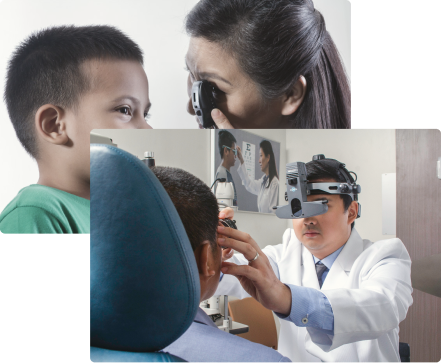
Children rely heavily on their vision for learning, play, and overall development. Pediatric Eye Care is essential to ensure that young eyes develop properly and that vision problems are detected and treated early. Unlike adults, children may not always recognize or communicate issues with their eyesight, making routine eye care critical. Early diagnosis of conditions such as blurred vision, strabismus, or congenital eye problems can prevent permanent vision loss and support a child’s confidence and performance in daily activities.
Pediatric Eye Care provides comprehensive attention to children’s visual health, from routine eye exams to advanced treatment for complex eye disorders. Parents play a key role in monitoring visual development, and choosing a trusted eye care provider can make a significant difference in a child’s future vision and quality of life.
Common Pediatric Eye Conditions
Children can face a variety of eye conditions that differ from those commonly seen in adults. Understanding these conditions helps parents recognize potential warning signs and seek timely care.
Blurred Vision is one of the most frequent issues in children. Uncorrected refractive errors can affect reading, concentration, and participation in school or sports. Detecting blurred vision early allows eye specialists to prescribe corrective lenses or other treatments to support proper visual development.
Strabismus, also known as crossed eyes, occurs when the eyes do not align properly. This condition can affect depth perception and may lead to amblyopia, or lazy eye, if left untreated. Pediatric Eye Care specialists offer treatment options such as glasses, eye exercises, or, in some cases, surgical intervention.
Congenital Cataracts can be present at birth or develop in early childhood. These cloudy areas in the eye lens can impair vision and often require surgical removal to allow proper visual development. Early treatment is essential to prevent long-term vision problems.
Pediatric Glaucoma is a rare but serious condition that can damage the optic nerve and cause irreversible vision loss. Signs may include enlarged eyes, sensitivity to light, or excessive tearing. Early detection through routine eye exams is critical for preserving vision.
Premature Eye Development occurs in babies born prematurely. Their eyes may not have fully developed, which can lead to conditions such as retinopathy of prematurity. Pediatric Eye Care includes monitoring these children closely to identify and manage potential vision issues early.
Signs Your Child May Need an Eye Exam
Children may not always express difficulty with their vision, so parents should observe for subtle signs that indicate the need for a professional eye examination. Squinting, frequent rubbing of the eyes, or tilting the head to see more clearly can indicate vision problems. Difficulty reading, recognizing objects, or tracking moving items are also warning signs.
Behavioral signs, such as avoidance of reading or seeming clumsy while playing, may indicate that a child is struggling with vision issues. Complaints of headaches, eye strain, or fatigue during schoolwork are additional indicators. Routine Pediatric Eye Care ensures that these signs are evaluated promptly, allowing timely interventions that protect vision and support a child’s daily activities.
Importance of Early Eye Screening
Early eye screening is essential for preventing long-term vision problems. Pediatric Eye Care focuses on early detection, which can make a significant difference in treatment outcomes. Conditions such as amblyopia, strabismus, and refractive errors respond best when addressed early in life.
Eye specialists recommend comprehensive eye exams at key stages: around six months of age, at three years, before starting school, and periodically throughout school age. Regular screening allows ophthalmologists to monitor eye growth, detect abnormalities, and provide treatments that support optimal vision development. Pediatric Eye Care emphasizes preventive measures, ensuring children maintain clear vision as they grow.
Pediatric Eye Care Services at Peregrine Eye and Laser Institute
Peregrine Eye and Laser Institute offers a full range of Pediatric Eye Care services designed to meet the unique needs of children.
Routine Eye Examinations evaluate visual acuity, eye alignment, and overall eye health. These exams form the foundation of early detection and help identify problems before they affect daily activities.
Vision Screening Programs identify refractive errors and developmental vision issues. Early screening allows children to receive corrective lenses or therapy that improves vision and learning outcomes.
Diagnosis and Treatment of Eye Disorders addresses conditions such as strabismus, cataracts, glaucoma, and other pediatric eye diseases. Each child receives a personalized treatment plan tailored to their specific needs.
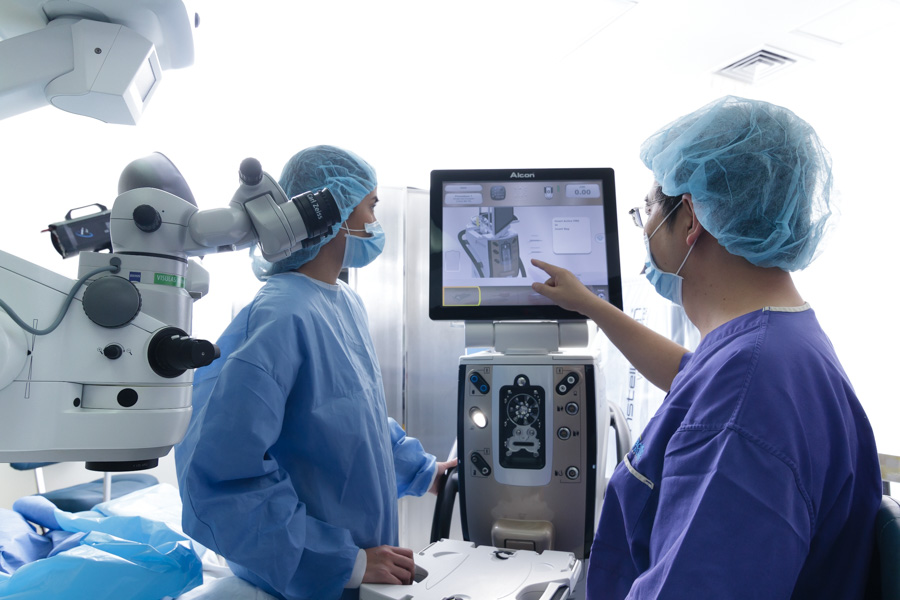
Surgical Interventions are performed safely and effectively in state-of-the-art operating theaters. Complex conditions that cannot be managed with lenses or therapy alone are addressed by highly trained specialists.
Vision Therapy and Rehabilitation Programs support children with developmental or functional vision problems. These programs enhance visual skills, improve coordination, and help children perform confidently in academic and social settings.
Why Choose Peregrine for Pediatric Eye Care
Peregrine Eye and Laser Institute combines medical expertise, advanced technology, and compassionate care to provide outstanding Pediatric Eye Care. The team of ophthalmologists includes specialists trained in globally recognized institutions, bringing decades of clinical and surgical experience.
Peregrine’s clinics are equipped with state-of-the-art diagnostic and surgical equipment, allowing precise evaluation and treatment of both common and complex pediatric eye conditions. Personalized care ensures that children feel comfortable and supported throughout their appointments. Families receive clear information and guidance, empowering them to make informed decisions about their child’s eye health.
The institute’s commitment to excellence extends beyond treatment. Staff members receive ongoing training in technical skills and patient care to provide an environment that is safe, welcoming, and child-friendly. This combination of expertise, technology, and compassionate service makes Peregrine a trusted provider of Pediatric Eye Care in Metro Manila.
How Parents Can Support Children’s Eye Health
Parents play a critical role in maintaining their child’s eye health. Encouraging outdoor play, limiting excessive screen time, and promoting proper lighting while reading can reduce eye strain. Nutrition is also important; a diet rich in vitamins A, C, and E, along with omega-3 fatty acids, supports eye development and overall visual health.
Regular eye exams are essential, even when children do not show signs of vision problems. Following prescribed treatments, wearing corrective lenses as recommended, and attending follow-up appointments ensure that vision problems are addressed effectively. Awareness and proactive care reinforce the benefits of Pediatric Eye Care and support lifelong visual wellness.
Takeaway
Pediatric Eye Care is essential for supporting children’s vision, development, and overall well-being. Early detection and proper treatment of eye conditions can prevent long-term problems and give children the confidence to explore the world around them. Peregrine Eye and Laser Institute provides comprehensive, advanced, and compassionate care, ensuring that every child has access to the best possible eye health services. Parents can take proactive steps by scheduling regular eye exams, observing visual behaviors, and following recommended treatments, securing a lifetime of healthy vision for their children.
Frequently Asked Questions (FAQ) About Pediatric Eye Care
Q: At what age should my child have their first eye exam?
A: Children should have their first comprehensive eye exam by six months, followed by exams at three years, before starting school, and regularly thereafter.
Q: What signs indicate my child may have vision problems?
A: Squinting, eye rubbing, head tilting, difficulty reading or recognizing objects, and complaints of headaches or eye strain can indicate vision issues.
Q: Can Pediatric Eye Care prevent long-term vision loss?
A: Yes. Early detection and treatment of conditions such as amblyopia, strabismus, and congenital cataracts can prevent permanent vision problems.
Q: Are pediatric eye surgeries safe?
A: Pediatric eye surgeries at Peregrine Eye and Laser Institute are performed by experienced specialists using advanced technology, ensuring maximum safety and effectiveness.
Q: How can children be made comfortable during eye exams and treatments?
A: Clinics are designed to be child-friendly, and staff members are trained to provide compassionate care, explain procedures in an age-appropriate way, and reduce anxiety.