Uveitis is a serious eye condition that affects the uvea, the middle layer of the eye, and sometimes other parts of the eye. Uveitis can cause redness, eye pain, blurred vision, sensitivity to light, and floaters. If left untreated, it can lead to permanent vision loss. Understanding uveitis, its causes, symptoms, and treatment options is essential for anyone experiencing these warning signs. Early and effective uveitis treatment is key to maintaining healthy vision and preventing long-term complications.
What is Uveitis?
Uveitis refers to inflammation of the uvea, which includes the iris, ciliary body, and choroid. This inflammation can affect the front, middle, or back portions of the eye. The condition is categorized into four main types based on the location of inflammation. Anterior uveitis affects the front of the eye, intermediate uveitis affects the ciliary body, posterior uveitis involves the back of the eye, and panuveitis affects all parts of the uvea.
Causes of uveitis vary and can include autoimmune conditions such as lupus or rheumatoid arthritis, infections, trauma, or sometimes unknown triggers. The severity of uveitis ranges from mild, short-term inflammation to chronic conditions requiring long-term care. Understanding these causes is vital for guiding proper uveitis treatment and preventing potential complications.
Recognizing Uveitis Symptoms
Identifying uveitis early can make a significant difference in preserving vision. The most common symptoms include redness in the eye, eye pain, sensitivity to light (photophobia), blurred vision, and floaters or spots in the field of vision. Some patients may notice sudden changes in vision, while others may experience gradual symptoms over time. Persistent or recurring symptoms should prompt an immediate consultation with an eye specialist, as early uveitis treatment can prevent serious damage.
Causes of Uveitis
Uveitis can develop from several underlying causes. Autoimmune diseases are a common trigger. Conditions such as lupus and rheumatoid arthritis can cause the immune system to attack tissues in the eye, leading to inflammation. Infections caused by bacteria, viruses, or fungi can also result in uveitis, often requiring a combination of anti-inflammatory and antimicrobial treatments. Trauma, including eye injuries or post-surgical complications, can trigger inflammation as well. In some cases, the exact cause of uveitis remains unknown, which makes proper evaluation and diagnosis critical. Understanding the root cause is essential for successful uveitis treatment.
Uveitis Treatment Options
Effective uveitis treatment depends on the underlying cause and severity of the condition. For most non-infectious cases, anti-inflammatory medications such as corticosteroids are the primary treatment to reduce swelling and prevent tissue damage. These medications may be administered as eye drops, oral medication, or injections around or inside the eye.
In cases caused by infections, antibiotics, antivirals, or antifungal medications are necessary to address the root cause while reducing inflammation. Chronic or severe uveitis, particularly when related to autoimmune conditions, may require immunosuppressive therapy to control the immune system and prevent recurring inflammation.
Early diagnosis and personalized treatment plans are essential. Patients who follow their prescribed uveitis treatment schedules and attend regular check-ups are more likely to achieve favorable outcomes. Specialized eye care facilities, such as Peregrine Eye and Laser Institute, provide both advanced diagnostics and expert treatment plans for all types of uveitis.
Potential Complications if Uveitis is Left Untreated
Without proper treatment, uveitis can lead to serious complications. Chronic inflammation may result in permanent vision loss due to damage to the retina, optic nerve, or other essential structures. Secondary conditions such as cataracts, glaucoma, or retinal swelling can develop, further affecting vision. Recurrent uveitis increases the risk of long-term eye damage, emphasizing the need for consistent medical care and monitoring. Timely uveitis treatment is critical for preventing these complications and preserving vision for the long term.
Why Choose Peregrine Eye and Laser Institute for Uveitis Treatment
Peregrine Eye and Laser Institute is recognized for providing world-class eye care in Metro Manila. Founded in 2013 by Jimmy Tan, Dr. Harvey Uy, and Dr. Pik Sha Chan Uy, the institute is committed to offering advanced, patient-focused eye care. With facilities in Makati, Manila, and Quezon City, Peregrine provides accessible services for patients throughout the region.
The institute combines modern technology with highly trained specialists to deliver effective uveitis treatment. Doctors at Peregrine have trained at leading institutions such as Harvard Medical School, Johns Hopkins University, University of California, Los Angeles (UCLA), California Pacific Medical Center, University of Wisconsin, and Singapore National Eye Centre. Their expertise ensures that patients receive accurate diagnoses, personalized treatment plans, and continuous support throughout their care.
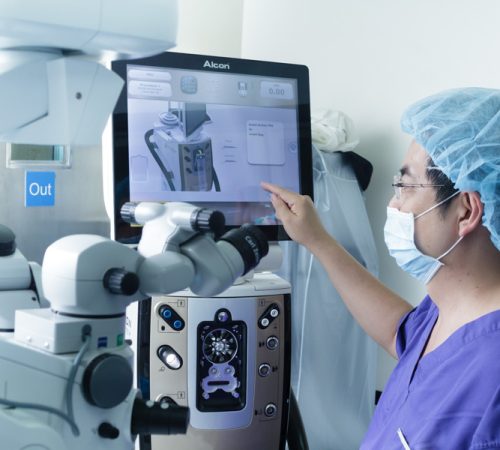
Peregrine’s facilities are equipped with the latest diagnostic and surgical equipment, allowing doctors to handle both routine and complex cases. Every patient benefits from attentive care, efficient scheduling systems, and comfortable clinic environments. The focus on both medical excellence and patient experience makes Peregrine Eye and Laser Institute a trusted choice for uveitis treatment.
Tips for Patients with Uveitis
Patients managing uveitis can take several steps to improve treatment outcomes and maintain eye health. Adhering closely to prescribed medications is essential. Regular eye examinations allow doctors to monitor the condition and adjust treatment plans as needed. Protecting eyes from bright light, avoiding injury, and maintaining overall health, particularly controlling autoimmune conditions, can also support effective uveitis treatment. Open communication with your eye care specialist ensures that any changes in symptoms are addressed promptly, reducing the risk of complications.
Takeaway
Uveitis treatment is essential for protecting vision and preventing long-term complications. Early detection, accurate diagnosis, and tailored treatment plans significantly improve outcomes. Peregrine Eye and Laser Institute offers advanced uveitis care with highly trained specialists, modern diagnostic tools, and a patient-centered approach. If you experience symptoms such as eye redness, pain, blurred vision, floaters, or light sensitivity, scheduling a consultation promptly ensures the best chance of preserving your vision. Protecting your eyes today can prevent permanent damage tomorrow.
Frequently Asked Questions About Uveitis Treatment
What causes uveitis?
Uveitis can be caused by autoimmune diseases, infections, eye trauma, or sometimes unknown factors. Identifying the cause is important for determining the correct uveitis treatment.
How long does uveitis last?
The duration varies. Some cases resolve in a few weeks with proper treatment, while chronic uveitis may require ongoing care.
Can uveitis lead to permanent blindness?
Yes, untreated uveitis can damage critical eye structures, potentially causing permanent vision loss. Early and appropriate uveitis treatment reduces this risk.
Are steroids safe for uveitis treatment?
Steroids are commonly used to control inflammation. When monitored carefully by an eye specialist, they are generally safe and effective.
Can infections cause uveitis?
Yes, bacterial, viral, or fungal infections can trigger uveitis. In these cases, antibiotics, antivirals, or antifungals are combined with anti-inflammatory treatment.
How often should I have check-ups for uveitis?
Frequency depends on the severity and type of uveitis. Regular follow-ups with an eye specialist ensure that inflammation is controlled and complications are prevented.
Why choose Peregrine Eye and Laser Institute for uveitis treatment?
Peregrine provides expert care with state-of-the-art equipment, specialized ophthalmologists trained at top global institutions, and personalized patient support. They offer comprehensive solutions for both routine and complex cases of uveitis.