
Understanding Ganglion Cysts
Ganglion cysts are fluid-filled lumps that most commonly develop along the joints or tendons of your wrist, hand, or foot. These cysts can vary in size and sometimes become more prominent with repetitive use of the affected joint. While they are typically non-cancerous, they can still cause discomfort, limit mobility, or affect the aesthetics of your hand or wrist. The exact cause of ganglion cysts remains unclear, but repeated joint irritation or trauma is often linked to their formation. They tend to be more common in women and usually appear in people between the ages of 20 and 40. While many ganglion cysts are painless, some may produce tenderness, aching, or pressure on nearby nerves. Understanding the characteristics of a cyst can help you decide whether medical intervention is necessary.
Symptoms That Indicate Surgical Attention
Not all ganglion cysts require surgical removal, but certain symptoms may make surgery the most practical choice. Common indicators include persistent pain, swelling, or discomfort that interferes with daily activities. Some cysts can cause numbness or tingling if they press against nearby nerves. Limited joint movement or stiffness can also signal the need for medical evaluation. Visible lumps that grow rapidly or fluctuate in size often raise concern. Activities like typing, lifting, or sports may exacerbate discomfort and make conservative management ineffective. Patients considering surgery often do so because the cyst significantly impacts their quality of life or prevents normal use of their hand or wrist.
Non-Surgical vs. Surgical Options
Ganglion cysts can sometimes resolve on their own or be managed through non-invasive methods. Observation is commonly recommended if the cyst is small and not causing discomfort. Aspiration, a procedure where fluid is drained from the cyst using a needle, may provide temporary relief but carries a high recurrence rate. Wearing a splint or avoiding repetitive movements can also reduce symptoms but does not eliminate the cyst. Surgery becomes a preferred option when non-surgical methods fail, the cyst is painful, or it interferes with daily functions. Surgical removal offers a higher success rate in preventing recurrence and restoring full mobility. Choosing the right approach should be discussed with a qualified surgeon to weigh risks and benefits.
Types of Ganglion Cyst Surgery
Surgical procedures for ganglion cysts generally fall into two categories: open excision and arthroscopic removal. Open excision involves making a small incision over the cyst, carefully removing it along with part of the surrounding tissue, and closing the wound. Arthroscopic surgery is less invasive, using a tiny camera and instruments to remove the cyst through smaller incisions. Each method has its advantages: open surgery may offer a lower recurrence rate, while arthroscopy often results in faster recovery and less scarring. The choice depends on the cyst’s location, size, and the surgeon’s expertise. Surgeons in Manila often evaluate the patient’s overall health, occupation, and activity level before recommending a procedure. Understanding the differences helps patients make an informed decision that aligns with their needs.
Preparing for Surgery in Manila
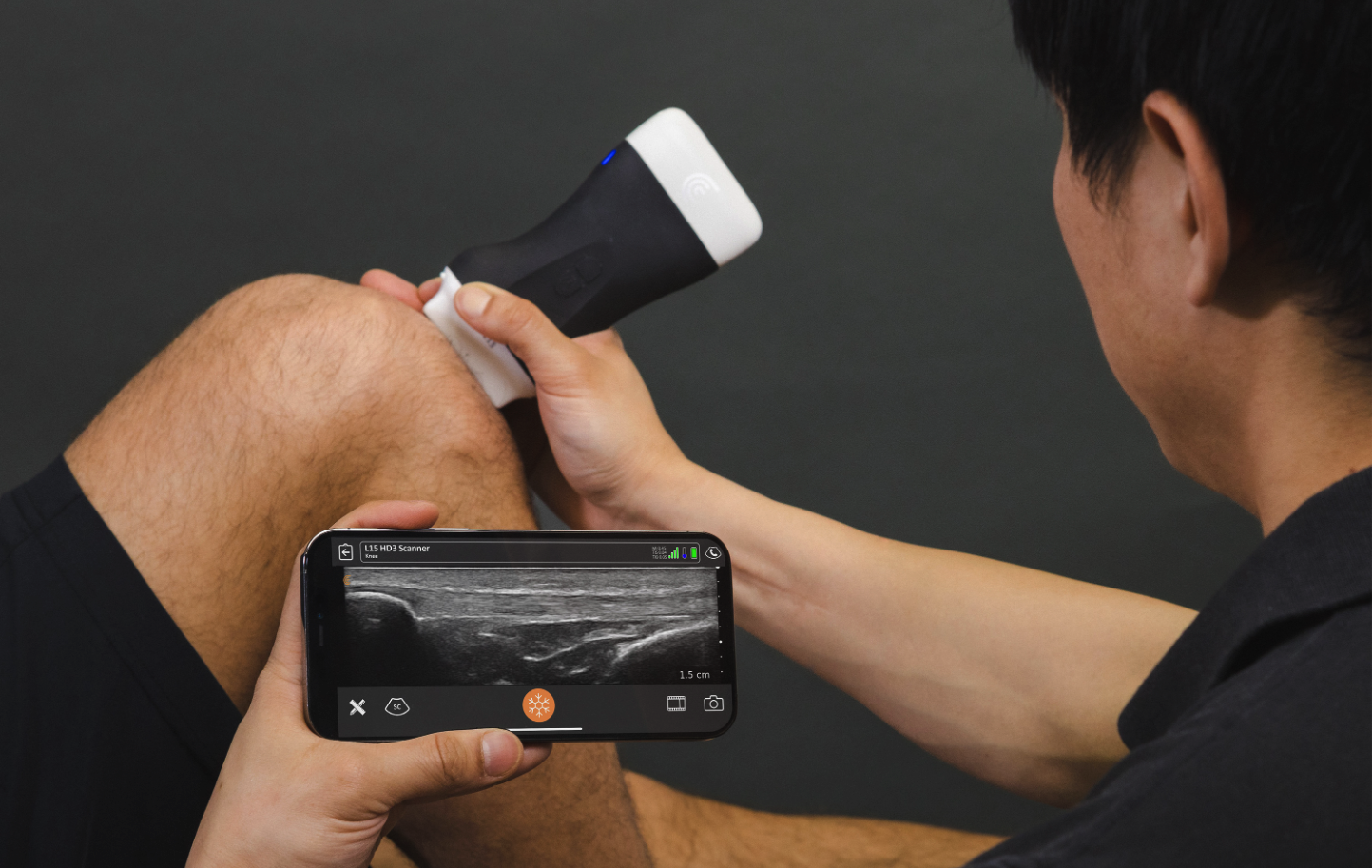
Proper preparation is key to a successful ganglion cyst surgery. Selecting a board-certified orthopedic or hand surgeon ensures the best possible outcome. Preoperative evaluations may include blood tests, imaging scans, and a detailed medical history. Patients should discuss anesthesia options with their doctor, whether general or local anesthesia will be used. Planning for time off work and arranging for post-surgery support at home is recommended. It’s also essential to follow the surgeon’s preoperative instructions, including fasting or temporarily stopping certain medications. Being prepared reduces anxiety, minimizes complications, and promotes a smoother recovery process.
What to Expect During Surgery
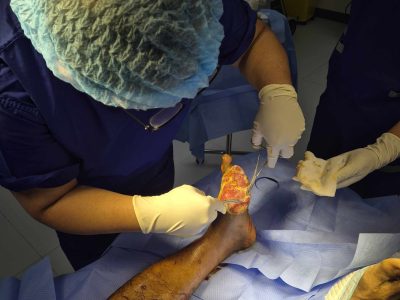
Ganglion cyst removal surgery is usually an outpatient procedure, meaning patients can often go home the same day. The operation typically lasts between 30 minutes to an hour, depending on the cyst’s size and complexity. Local or general anesthesia is administered to ensure patient comfort throughout the procedure. The surgeon carefully removes the cyst along with a portion of the joint capsule or tendon sheath to minimize recurrence. During arthroscopic surgery, a tiny camera guides the removal process with minimal incision. Postoperative pain is usually manageable with prescribed medications, and most patients experience mild swelling and bruising. Complications are rare but can include infection, nerve injury, or limited range of motion.
Post-Surgery Recovery and Care
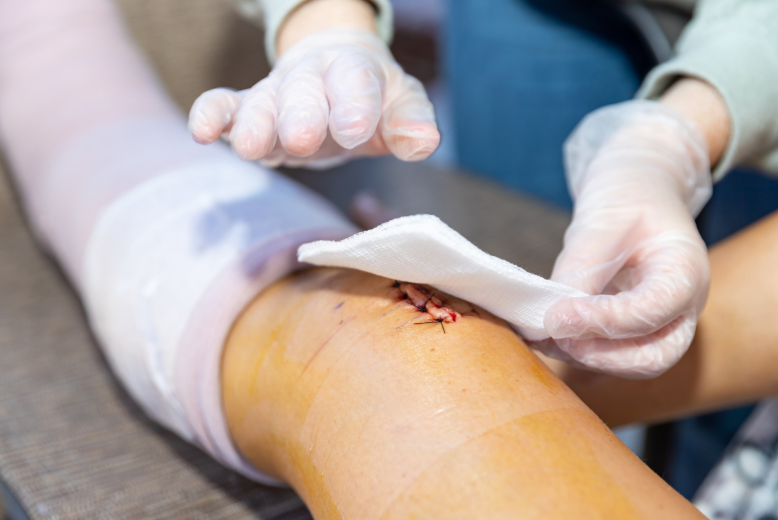
Recovery after ganglion cyst surgery involves careful attention to wound care and gradual resumption of activity. Initially, the surgical site may be bandaged or splinted to protect the joint and promote healing. Pain and swelling are common in the first few days but typically subside with medication and elevation. Physical therapy exercises are often recommended to restore flexibility and strength in the affected joint. Patients should avoid heavy lifting or repetitive motion until cleared by their surgeon. Keeping the incision clean and monitoring for signs of infection, such as redness or discharge, is crucial. Full recovery usually takes a few weeks to a few months depending on the type of surgery performed. Following all postoperative instructions significantly reduces the risk of recurrence.
Long-Term Outcomes
Surgical removal of ganglion cysts in Manila has a high success rate, especially when performed by experienced surgeons. Most patients regain full mobility and experience relief from discomfort. Recurrence rates vary but are lower when both the cyst and its stalk are completely removed. Maintaining proper joint care and avoiding repetitive strain can help prevent new cyst formation. Patients often return to normal activities gradually, with most resuming work or sports within a month. Long-term outcomes are generally favorable, with minimal scarring and lasting functional improvement. Regular follow-ups allow the surgeon to monitor the site and ensure optimal recovery.
Cost and Insurance Considerations
The cost of ganglion cyst surgery in Manila depends on several factors, including the type of procedure, the surgeon’s expertise, and the hospital facility. Open excision surgery may cost differently compared to arthroscopic removal due to equipment and complexity. Additional expenses may include preoperative tests, anesthesia, medications, and post-surgery therapy. Many health insurance plans cover ganglion cyst surgery, especially when it is deemed medically necessary. Patients should verify coverage details and understand potential out-of-pocket expenses. Some hospitals and clinics offer payment plans or financing options for added convenience. Being informed about costs helps patients make practical decisions without financial surprises.
Frequently Asked Questions
How long does it take to fully recover from ganglion cyst surgery?
Most patients experience significant improvement within a few weeks, while complete healing can take up to three months depending on the procedure type and adherence to post-surgery care.
Will the cyst come back after surgery?
Recurrence is possible, particularly if the cyst or its stalk is not completely removed. Open excision tends to have lower recurrence rates than aspiration or partial removal.
Is arthroscopic surgery better than open surgery?
Arthroscopy offers smaller incisions and faster recovery, but open surgery may have a slightly lower chance of recurrence. The choice depends on the cyst’s characteristics and surgeon’s recommendation.
Can I perform normal hand or wrist activities after surgery?
Yes, most patients gradually resume normal activities as healing progresses, guided by their surgeon and physical therapy recommendations.
How painful is ganglion cyst removal surgery?
Pain is typically manageable with prescribed medications and usually diminishes within a few days. Mild swelling or stiffness is normal during recovery.
Are there non-surgical methods that work long-term?
Non-surgical methods like observation, splinting, or aspiration may provide temporary relief but have higher recurrence rates than surgery.
What qualifications should I look for in a Manila-based surgeon?
Look for board-certified orthopedic or hand surgeons with experience in ganglion cyst removal and positive patient feedback on surgical outcomes.
Takeaway
Ganglion cyst surgery in Manila offers a reliable solution for patients struggling with painful or function-limiting cysts. Understanding the different surgical options, preparing properly, and following post-operative care ensures the best possible outcomes. With skilled surgeons and modern facilities available, patients can regain full mobility, reduce discomfort, and improve quality of life. Being informed about the procedure, recovery timeline, and costs allows individuals to make confident decisions for their health.