Nearsightedness or myopia can limit daily activities, making simple tasks like reading signs, driving, or using digital devices challenging without glasses or contact lenses. Many individuals search for a permanent solution that can improve vision without the daily reliance on corrective lenses. Phakic IOL (Intraocular Lens) provides a long-term and effective approach to correct myopia while preserving the natural lens of the eye. Unlike conventional cataract surgery, which removes the natural lens, Phakic IOL enhances vision by implanting a specialized lens that works alongside the eye’s natural structures.
Phakic IOL offers a solution for those who are not ideal candidates for laser eye procedures like LASIK or PRK, particularly individuals with high levels of nearsightedness or thin corneas. This advanced lens technology provides clear, sharp vision and significantly reduces dependence on glasses or contact lenses, giving patients a more natural visual experience.
What is Phakic IOL?
Phakic IOL is a specially designed intraocular lens implanted into the eye to correct nearsightedness. The term “phakic” indicates that the natural lens of the eye remains in place, distinguishing it from pseudophakic lenses, which are implanted after cataract surgery when the natural lens has been removed. The lens works by redirecting light onto the retina, compensating for the refractive errors that cause blurred vision.
The lens is typically made of biocompatible materials such as plastic or silicone, ensuring safety and durability. Phakic IOL can treat moderate to severe myopia, often in cases where traditional laser procedures are not recommended. By preserving the natural lens, Phakic IOL maintains the eye’s ability to accommodate, which can be especially important for younger patients who still rely on natural focusing abilities.
How Phakic IOL Works
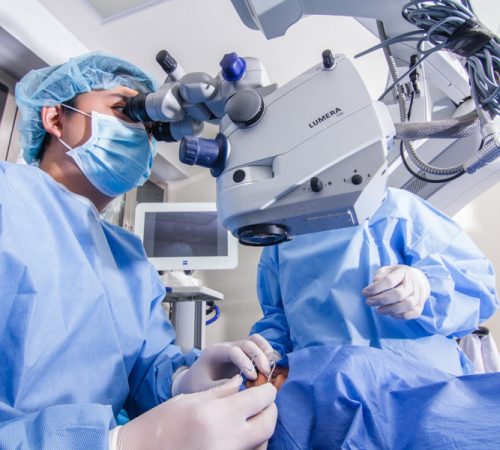
Phakic IOL implantation is a precise surgical procedure performed by trained ophthalmologists. A small incision is made at the front of the eye, through which the lens is carefully inserted. Depending on the patient’s anatomy and the type of lens chosen, the Phakic IOL is positioned either in front of or behind the iris. Once in place, the lens works to correct refractive errors, allowing light to focus accurately on the retina, producing clearer vision.
The procedure typically takes less than an hour and is performed under local anesthesia, making it a relatively comfortable and safe treatment option. Recovery is usually quick, with most patients noticing an improvement in vision within a few days. Phakic IOL provides long-lasting results and is designed to remain in the eye for many years without the need for replacement.
Benefits of Phakic IOL
Phakic IOL offers numerous advantages over traditional methods of correcting nearsightedness. The most significant benefit is permanent correction of myopia, reducing or eliminating the need for glasses or contact lenses. Unlike laser eye procedures, Phakic IOL does not remove corneal tissue, making it suitable for patients with thin corneas or high prescriptions.
The procedure also preserves the natural lens, which helps maintain the eye’s ability to focus, especially for younger patients. Phakic IOL can correct higher levels of nearsightedness than LASIK or PRK, making it a preferred option for patients with severe myopia. Additional benefits include improved night vision, minimal recovery time, and a high safety profile when performed by experienced ophthalmologists.
Who is a Candidate for Phakic IOL?
Phakic IOL is suitable for adults who have stable nearsightedness and are looking for a long-term solution to reduce reliance on corrective lenses. Ideal candidates include individuals who are not good candidates for laser procedures due to thin corneas, high prescriptions, or irregular corneal shapes. A comprehensive eye examination is required to determine eligibility, evaluating factors such as eye health, corneal thickness, and lens suitability.
Patients with certain eye conditions, such as severe glaucoma or uncontrolled cataracts, may not be suitable for Phakic IOL. Ophthalmologists at specialized clinics like Peregrine Eye and Laser Institute perform thorough assessments to ensure patients meet the criteria for safe and effective implantation.
Risks and Considerations
Phakic IOL is considered a safe procedure with a low risk of complications when performed by experienced specialists. Possible side effects include mild irritation, glare, halos around lights, or, in rare cases, lens repositioning. Regular follow-ups are essential to monitor eye health and ensure the lens is functioning properly.
Patients should discuss their medical history and eye conditions with their ophthalmologist to evaluate potential risks. The decision to proceed with Phakic IOL should always be based on professional guidance, ensuring the patient receives the best possible outcome.
Why Choose Peregrine Eye and Laser Institute
Peregrine Eye and Laser Institute (PELI) is recognized for providing world-class eye care in Metro Manila, with a focus on advanced treatments like Phakic IOL. The institute is staffed by highly trained ophthalmologists with credentials from prestigious institutions such as Harvard Medical School, Johns Hopkins University, UCLA, California Pacific Medical Center, University of Wisconsin, and Singapore National Eye Center.
PELI’s facilities are equipped with state-of-the-art ophthalmic technology and modern operating theaters, designed for precision, safety, and patient comfort. Each patient receives personalized guidance, from pre-surgery evaluation to post-operative care, ensuring a smooth and supportive experience.
Conveniently located in Makati, Manila, and Quezon City, Peregrine Eye and Laser Institute combines technical excellence with compassionate care, making it a trusted choice for individuals seeking Phakic IOL surgery in the Philippines.
Cost and Accessibility
The cost of Phakic IOL varies depending on factors such as the type of lens, pre-surgery assessment, and specific patient needs. Peregrine Eye and Laser Institute provides transparent pricing and guidance to help patients make informed decisions. Financing options and insurance coverage may be available to assist with affordability, ensuring that high-quality eye care remains accessible to a wide range of patients.
Takeaway
Phakic IOL represents a safe, effective, and long-term solution for nearsightedness. By preserving the natural lens and correcting refractive errors, it allows patients to enjoy clearer vision and reduced dependence on corrective lenses. Peregrine Eye and Laser Institute combines expert care, advanced technology, and personalized service to deliver excellent results for individuals seeking Phakic IOL surgery. Scheduling a consultation can help determine eligibility and guide patients toward the best solution for their vision needs.
Frequently Asked Questions (FAQ)
What is Phakic IOL?
Phakic IOL is an intraocular lens implanted in the eye to correct nearsightedness while keeping the natural lens intact.
How does Phakic IOL differ from LASIK?
Unlike LASIK, which reshapes the cornea, Phakic IOL implants a lens to correct vision without removing corneal tissue, making it suitable for higher prescriptions.
Who is eligible for Phakic IOL?
Adults with stable nearsightedness who are not ideal candidates for laser procedures, such as those with thin corneas or high myopia, may qualify.
Is Phakic IOL surgery safe?
Yes, it is considered safe when performed by experienced ophthalmologists. Risks are minimal, and regular follow-ups ensure proper lens function.
How long does recovery take after Phakic IOL implantation?
Most patients notice improved vision within a few days, with complete recovery typically occurring within a few weeks.
Will I still need glasses after Phakic IOL surgery?
Phakic IOL significantly reduces dependence on glasses, though some patients may still need reading glasses as they age.
Where can I get Phakic IOL in the Philippines?
Peregrine Eye and Laser Institute offers expert Phakic IOL procedures in Makati, Manila, and Quezon City with advanced technology and personalized care.