Understanding What an Optical Shop Really Offers
An optical shop is more than just a place to buy glasses; it is a central hub for maintaining and improving your vision health. These establishments provide a wide range of services, from helping customers select frames to ensuring lenses are properly fitted according to a prescription. Many people assume optical shops are the same as eye clinics, but they serve a distinct role focused primarily on eyewear and vision correction products. While some optical shops have licensed optometrists on-site, their core function revolves around dispensing glasses and contact lenses. They also assist in adjustments, repairs, and consultations related to eyewear comfort and usability. Optical shops often carry a variety of brands, styles, and lens technologies, making them a one-stop destination for both medical and aesthetic needs. Visiting an optical shop regularly can help ensure your vision remains sharp and your eyewear continues to meet your lifestyle demands.
The Importance of Regular Eye Care
Vision plays a critical role in nearly every aspect of daily life, from reading and driving to working on digital devices. Regular visits to an optical shop help detect early signs of vision problems that might otherwise go unnoticed. Conditions like nearsightedness, farsightedness, astigmatism, and age-related changes can gradually worsen without proper attention. Many individuals only seek help when symptoms become severe, but preventive care is far more effective. Eye strain, headaches, and blurry vision are common signs that it may be time to update your prescription. Children, adults, and seniors all have different eye care needs, making routine check-ups essential at every stage of life. By prioritizing eye care, you not only improve your vision but also enhance your overall quality of life and long-term eye health.
Types of Eyewear Available in an Optical Shop
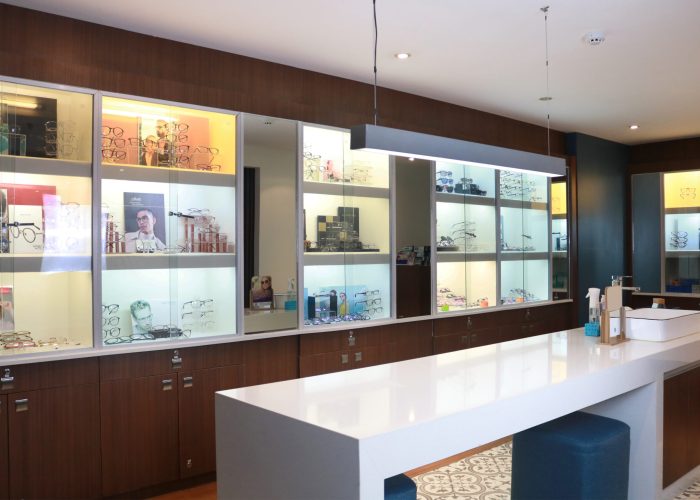
Optical shops offer a wide selection of eyewear tailored to different vision needs and personal preferences. Prescription eyeglasses are among the most common products, designed to correct specific vision issues with precision. These glasses come in various lens types, including single vision, bifocal, and progressive options. Sunglasses are also widely available, offering both style and protection against harmful ultraviolet rays. Many customers choose prescription sunglasses for convenience, allowing them to see clearly even in bright outdoor conditions. Contact lenses provide an alternative to glasses, offering flexibility and a more natural field of vision. Additionally, blue light glasses have become increasingly popular due to the rise in screen usage, helping reduce digital eye strain. This wide range of options ensures that every customer can find eyewear that suits their needs and lifestyle.
Lens Technology and Innovations
Modern optical shops feature advanced lens technologies that significantly improve vision clarity and comfort. Anti-reflective coatings reduce glare from screens and headlights, making them ideal for both office work and nighttime driving. Scratch-resistant coatings help extend the life of lenses, especially for individuals with active lifestyles. Photochromic lenses automatically adjust to changing light conditions, transitioning from clear indoors to tinted outdoors. High-index lenses are designed to be thinner and lighter, providing a more comfortable experience for those with strong prescriptions. Innovations in lens design have also led to specialized options for digital device users, minimizing eye fatigue during prolonged screen exposure. Some optical shops even offer smart eyewear that integrates technology with vision correction. These advancements demonstrate how optical shops continue to evolve to meet the changing needs of modern consumers.
Choosing the Right Optical Shop
Selecting the right optical shop can make a significant difference in your overall experience and satisfaction. Reputation is one of the most important factors, as customer reviews often reflect the quality of service and products offered. A good optical shop should provide a wide range of frames and lenses to accommodate different preferences and budgets. Having a licensed optometrist available can be a major advantage, ensuring accurate prescriptions and professional guidance. Transparency in pricing is also essential, as customers should clearly understand what they are paying for. Some optical shops accept insurance or offer flexible payment plans, making eye care more accessible. Whether you choose a physical store or an online option, convenience and reliability should always be top priorities. Taking the time to evaluate these factors can help you make a confident and informed decision.
How to Choose the Perfect Eyeglasses
Finding the perfect pair of eyeglasses involves more than just picking a stylish frame. Face shape plays a crucial role in determining which styles will complement your features. For example, round faces often benefit from angular frames, while square faces may look better with softer, rounded designs. Skin tone also influences color selection, as certain shades can enhance your overall appearance. Lifestyle considerations are equally important, especially for individuals who engage in sports or spend long hours in front of screens. Comfort should never be overlooked, as poorly fitting glasses can cause discomfort and even headaches. Proper measurements, including bridge width and temple length, ensure a secure and comfortable fit. By considering these factors, you can find eyeglasses that not only improve your vision but also boost your confidence.
The Eye Exam Process Explained
A visit to an optical shop often begins with a comprehensive eye exam, especially if you need a new prescription. During the exam, various tests are conducted to assess your vision and overall eye health. These tests may include reading charts, checking eye coordination, and measuring how your eyes focus. Advanced equipment is often used to detect underlying issues that may not be immediately noticeable. The results are then used to create a personalized prescription tailored to your needs. Understanding your prescription can help you make better decisions when choosing lenses and frames. Follow-up visits are sometimes necessary to monitor changes and ensure your eyewear remains effective. This process highlights the importance of professional evaluation in maintaining optimal vision.
Optical Shop Services Beyond Eyewear
Many optical shops offer services that go beyond simply selling glasses and contact lenses. Frame adjustments are a common service, ensuring your eyewear fits comfortably and securely. Repairs are also available for damaged frames or loose components, helping extend the life of your glasses. Some shops provide lens replacement services, allowing you to update your prescription without purchasing new frames. Eye health consultations may be offered to address specific concerns or conditions. Certain optical shops even provide specialized services such as vision therapy or fittings for unique lens types. These additional services make optical shops a valuable resource for ongoing eye care. By taking advantage of these offerings, customers can maintain both the functionality and longevity of their eyewear.
Pricing Guide: What to Expect
The cost of eyewear can vary widely depending on several factors, including frame style, lens type, and additional coatings. Budget-friendly options are available for those looking for basic functionality, while premium products offer enhanced durability and advanced features. Lenses often account for a significant portion of the total cost, especially when specialized coatings are added. Insurance plans may cover part of the expense, reducing out-of-pocket costs for customers. Some optical shops also provide discounts or bundled packages that include frames and lenses at a lower price. Understanding these pricing elements can help you make a more informed decision. It is important to balance cost with quality to ensure long-term satisfaction with your purchase.
Trends in the Optical Shop Industry
The optical shop industry continues to evolve, driven by changes in consumer preferences and technological advancements. Sustainable eyewear has gained popularity, with many brands offering eco-friendly materials and production methods. Designer frames remain a strong trend, appealing to customers who view glasses as a fashion statement. Customization options allow individuals to personalize their eyewear, from frame colors to lens features. Digital transformation has also impacted the industry, with virtual try-on tools becoming increasingly common. These tools enable customers to preview how glasses will look before making a purchase. The integration of technology and style reflects the growing demand for both functionality and aesthetics. Staying informed about these trends can help you make choices that align with your needs and preferences.
Caring for Your Eyewear
Proper care is essential to maintain the quality and longevity of your eyewear. Cleaning your lenses regularly with a microfiber cloth helps prevent scratches and smudges. It is important to avoid using harsh chemicals or abrasive materials that could damage the lens coating. Storing your glasses in a protective case when not in use reduces the risk of accidental damage. Regular adjustments at an optical shop can ensure your frames remain properly aligned. Replacing worn-out components, such as nose pads, can also improve comfort and usability. Knowing when to update your prescription is equally important, as outdated lenses can strain your eyes. By following these simple care practices, you can extend the life of your eyewear and maintain clear vision.
Common Mistakes to Avoid When Visiting an Optical Shop
Many people make avoidable mistakes when purchasing eyewear, often leading to dissatisfaction or discomfort. One common error is skipping regular eye exams, which can result in outdated prescriptions. Choosing frames based solely on appearance without considering fit can lead to discomfort. Some customers overlook lens options, missing out on features that could enhance their vision. Ignoring professional advice can also result in poor decisions, especially when selecting specialized lenses. Another mistake is failing to compare prices or explore different options before making a purchase. Rushing the process can prevent you from finding the best solution for your needs. Being mindful of these pitfalls can help you make a more informed and satisfying choice.
Optical Shop FAQs
How often should I visit an optical shop?
It is generally recommended to visit an optical shop at least once a year for a routine eye exam. However, individuals with existing vision issues may need more frequent visits. Children and seniors often require closer monitoring due to changes in vision. Regular visits help ensure your prescription remains accurate and your eyes stay healthy. Even if you do not notice any problems, preventive care is essential. Early detection of issues can prevent more serious complications. Staying consistent with visits supports long-term eye health.
Can I buy glasses without an eye exam?
While it is possible to purchase non-prescription glasses, buying prescription eyewear without an exam is not advisable. An accurate prescription ensures your lenses correct your vision properly. Wearing incorrect lenses can cause eye strain and discomfort. Eye exams also check for underlying health conditions that may not be immediately visible. Optical shops often require a valid prescription for customized lenses. Skipping this step can lead to poor vision quality. It is always best to consult a professional before making a purchase.
Are expensive lenses worth it?
Higher-priced lenses often include advanced features such as anti-reflective coatings and durability enhancements. These features can significantly improve comfort and visual clarity. While budget options are available, they may lack certain benefits that enhance daily use. The value of expensive lenses depends on your lifestyle and specific needs. For example, individuals who spend long hours on screens may benefit from specialized coatings. Investing in quality lenses can provide long-term advantages. It is important to weigh the benefits against the cost.
What is the difference between an optician and an optometrist?
An optician focuses on fitting and dispensing eyewear based on a prescription. An optometrist, on the other hand, conducts eye exams and diagnoses vision problems. Both professionals play important roles in eye care. Optical shops often employ opticians to assist customers with frame and lens selection. Optometrists may be available on-site or through affiliated clinics. Understanding this distinction can help you seek the right service. Both contribute to maintaining healthy vision.
How long does it take to get new glasses?
The time required to receive new glasses can vary depending on several factors. Basic prescriptions may be completed within a few days. More complex lenses or custom features may take longer to produce. Availability of frames can also affect the timeline. Some optical shops offer expedited services for faster delivery. It is always best to ask about estimated wait times when placing your order. Planning ahead can help avoid inconvenience.
Can children use the same optical shop services as adults?
Yes, optical shops cater to customers of all ages, including children. Pediatric eyewear is designed with durability and comfort in mind. Eye exams for children are tailored to their developmental needs. Early detection of vision issues is especially important for academic performance. Optical shops often carry a variety of child-friendly frames. Professional guidance ensures proper fit and functionality. Providing children with quality eye care supports their overall growth.
Do blue light glasses really work?
Blue light glasses are designed to reduce exposure to digital screens. Many users report reduced eye strain and improved comfort during extended screen use. While research on their effectiveness is ongoing, they are widely considered beneficial. They can be especially helpful for individuals who work on computers for long hours. Optical shops often recommend them as an additional option rather than a replacement for regular eyewear. Combining them with proper screen habits enhances their effectiveness. They are a practical solution for modern lifestyles.
Takeaway
An optical shop plays a vital role in maintaining clear vision and supporting overall eye health. From offering a wide range of eyewear options to providing essential services, it serves as a reliable partner in your daily life. Understanding what to expect and how to make informed choices can greatly enhance your experience. Regular visits, proper care, and attention to detail ensure your eyewear continues to meet your needs. By staying informed and proactive, you can enjoy better vision and improved quality of life.