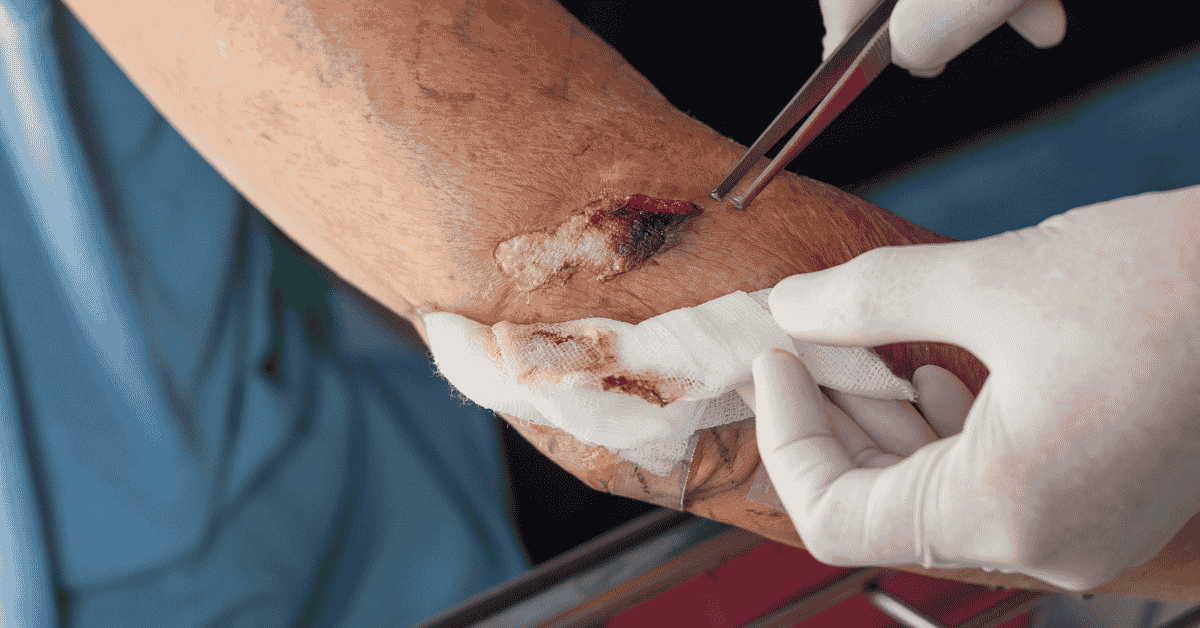
Understanding Sever Wound Surgery in Modern Medical Practice
Sever wound surgery refers to advanced surgical intervention used to treat traumatic injuries that involve deep tissue damage, heavy bleeding, and structural disruption of skin, muscle, bone, or blood vessels. It is commonly performed in urgent and life-threatening situations where standard wound care is not sufficient to restore tissue integrity or preserve function. This type of surgery is a cornerstone of trauma medicine because it directly addresses injuries that can rapidly worsen without immediate surgical correction. In clinical settings, sever wound surgery often requires coordination among multiple specialists, including trauma surgeons, orthopedic surgeons, vascular surgeons, and plastic reconstructive surgeons. The goal is not only to stabilize the patient but also to preserve as much viable tissue as possible. Rapid decision-making is critical, as delays can significantly increase complications such as infection, necrosis, or permanent disability. Sever wound surgery is typically performed in highly controlled environments like trauma centers or emergency operating rooms equipped for complex procedures. The procedure is considered one of the most resource-intensive forms of emergency surgical care due to its complexity and urgency.
Classification and Nature of Severe Wounds Requiring Surgery
Severe wounds that require sever wound surgery are categorized based on the depth, mechanism of injury, and structures involved. These injuries may include deep lacerations that extend through multiple layers of tissue and expose underlying structures. Crush injuries often result in extensive soft tissue damage and compromised blood flow, making surgical intervention necessary. Avulsion injuries occur when skin and tissue are forcibly detached from the body, requiring reconstruction and grafting. Penetrating trauma from sharp objects or high-impact forces can damage internal organs and blood vessels, demanding immediate surgical repair. Degloving injuries, where large sections of skin are torn away, are particularly complex and often require staged reconstructive procedures. Bone exposure or fractures associated with open wounds further complicate treatment and increase infection risk. Each classification influences the surgical approach and determines the urgency of sever wound surgery. Proper classification ensures that treatment strategies align with the severity of trauma and tissue damage.
Causes and High-Risk Scenarios Leading to Sever Wound Surgery
Sever wound surgery is frequently required following high-energy trauma events that overwhelm the body’s natural healing capacity. Motor vehicle accidents remain one of the most common causes, especially when high-speed impacts result in multiple injuries. Workplace accidents involving heavy machinery can produce devastating tissue damage that requires immediate surgical care. Falls from significant heights often lead to complex fractures and deep soft tissue injuries that necessitate reconstructive intervention. Sports-related injuries in high-contact activities can also result in severe trauma requiring surgical correction. Blast injuries from explosions introduce additional complications due to pressure waves and embedded debris. Animal attacks may cause deep puncture wounds and tearing injuries that require surgical cleaning and repair. Fire-related injuries and chemical exposure can destroy tissue layers, making sever wound surgery essential for survival and recovery.
Initial Emergency Response Prior to Sever Wound Surgery
Before sever wound surgery is performed, emergency response teams focus on stabilizing the patient to prevent further deterioration. Airway, breathing, and circulation are prioritized to ensure survival during transport and evaluation. Hemorrhage control is critical, as severe bleeding can quickly lead to shock or death if not managed promptly. Temporary wound dressings are applied to reduce contamination and protect exposed tissue. Pain management is initiated carefully to stabilize the patient without compromising vital signs. Emergency responders also assess injury severity to determine transport urgency to a trauma center. Communication between paramedics and hospital surgical teams ensures readiness upon arrival. These early interventions significantly improve outcomes in sever wound surgery cases and reduce complication risks.
Diagnostic Evaluation Before Sever Wound Surgery
Accurate diagnosis plays a vital role in planning sever wound surgery and ensuring optimal outcomes. Physical examination allows clinicians to assess visible damage, bleeding severity, and tissue viability. Imaging tools such as X-rays help identify fractures and bone displacement associated with trauma. CT scans provide detailed cross-sectional views of internal injuries and organ involvement. Ultrasound is often used to evaluate blood flow and detect vascular damage. Laboratory testing helps identify infection markers, blood loss severity, and overall physiological stability. Neurological assessments are essential when injuries involve potential nerve damage or spinal trauma. These diagnostic methods collectively guide surgical planning and determine urgency in sever wound surgery cases.
Surgical Planning for Sever Wound Surgery
Planning for sever wound surgery requires a structured and coordinated approach to ensure patient safety and surgical precision. Stabilization of vital signs is prioritized before any operative procedure begins. Risk evaluation is conducted to determine possible complications during surgery. Surgeons carefully select the most appropriate technique based on wound type and location. Anesthesia planning is essential to maintain patient stability throughout the operation. Multidisciplinary collaboration ensures that all aspects of injury are addressed effectively. Surgical teams prepare specialized instruments and maintain strict sterile conditions to minimize infection risk. Even in emergency scenarios, structured planning remains essential for successful surgical outcomes.
Core Surgical Procedures in Sever Wound Surgery
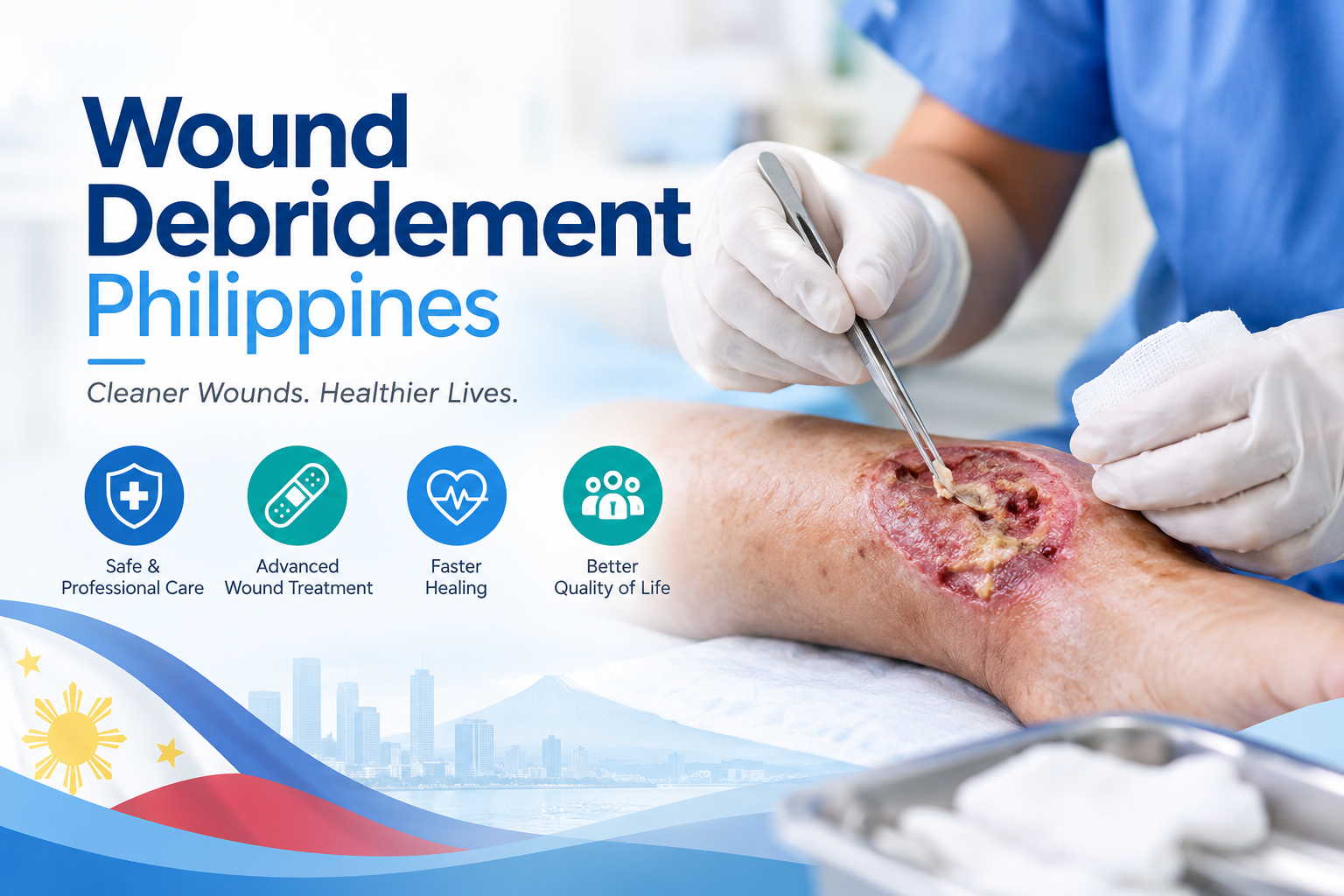
Sever wound surgery involves several core procedures designed to restore tissue integrity and prevent further damage. Debridement is performed to remove dead or contaminated tissue that could lead to infection. Hemostasis techniques are used to control bleeding and stabilize blood vessels. Muscle reconstruction may be necessary when deep tissue layers are damaged. Bone alignment and fixation are performed in cases involving fractures or skeletal disruption. Skin closure techniques include suturing, stapling, or surgical adhesives depending on wound severity. Temporary wound closure is sometimes used before staged reconstruction in complex cases. These procedures form the foundation of effective sever wound surgery and trauma recovery.
Advanced Reconstructive Techniques After Sever Wound Surgery
Reconstructive techniques play a major role in restoring function and appearance after sever wound surgery. Microsurgery allows surgeons to repair tiny blood vessels and nerves with high precision. Skin grafting is commonly used to replace lost tissue, with different graft types selected based on wound depth. Tissue expansion techniques gradually stretch healthy skin for reconstruction purposes. Flap surgery transfers tissue from one part of the body to another to cover large defects. Biomaterials support healing by enhancing tissue regeneration. Advances in regenerative medicine continue to improve surgical outcomes. These techniques significantly enhance long-term recovery and functional restoration.
Infection Control and Post-Surgical Wound Management
Infection prevention is essential following sever wound surgery. Antibiotic therapy is commonly prescribed to reduce bacterial infection risk. Regular dressing changes help maintain a sterile healing environment. Medical teams closely monitor for infection signs such as swelling, fever, or discharge. Severe infections may require additional surgical intervention. Drainage systems are used to prevent fluid accumulation at the surgical site. Negative pressure wound therapy promotes healing by improving blood flow. Proper wound management is essential for preventing complications and ensuring recovery success.
Pain Management and Recovery Support
Pain management is a crucial part of recovery after sever wound surgery. Patients are given tailored medication plans to control discomfort effectively. Non-opioid alternatives are often used to reduce dependency risks. Physical therapy is gradually introduced to restore mobility and strength. Psychological support helps patients cope with trauma-related stress. Nutritional support enhances tissue repair and immune function. Sleep regulation contributes to faster healing and recovery stability. Comprehensive recovery support improves both physical and emotional outcomes after surgery.
Complications Associated With Sever Wound Surgery
Despite advanced techniques, complications may still arise after sever wound surgery. Delayed healing can occur due to infection or poor circulation. Excessive scar formation may affect function or appearance. Loss of function in limbs can result from severe tissue or nerve damage. Secondary infections remain a serious risk during recovery. Blood clots may develop and require medical monitoring. Graft failure is possible if transplanted tissue does not integrate properly. Chronic pain conditions may persist long after the initial injury heals.
Rehabilitation and Long-Term Recovery Process
Rehabilitation plays a vital role in restoring independence after sever wound surgery. Physical therapy helps rebuild strength, flexibility, and coordination. Occupational therapy focuses on restoring daily functional abilities. Assistive devices may support mobility during early recovery stages. Long-term monitoring ensures proper healing progression. Follow-up procedures may refine reconstructive results. Lifestyle adjustments support long-term health and recovery stability. Emotional rehabilitation is equally important for overall well-being and adaptation.
Preventive Strategies to Reduce Sever Wound Surgery Cases
Preventing injuries that require sever wound surgery involves multiple safety strategies. Workplace safety programs reduce risks associated with machinery and hazardous environments. Road safety awareness helps decrease traffic-related trauma incidents. Protective gear in sports minimizes injury severity. Fire safety measures help prevent burn-related trauma. Public education increases awareness of injury prevention. Emergency preparedness training improves response during accidents. Early intervention reduces injury severity and improves survival outcomes.
Technological Advancements in Sever Wound Surgery
Modern technology continues to transform sever wound surgery practices. Robotic-assisted systems enhance precision during complex procedures. 3D printing allows creation of customized implants for reconstruction. Advanced imaging improves surgical planning accuracy. Bioprinting research explores tissue regeneration possibilities. Smart wound dressings monitor healing in real time. Artificial intelligence assists in trauma assessment and surgical decision-making. Minimally invasive techniques reduce recovery time and surgical risks.
Ethical and Clinical Decision-Making in Trauma Surgery
Ethical considerations are essential in sever wound surgery, especially in emergencies. Medical teams must prioritize patients based on injury severity. Decisions are often made under extreme time pressure. Consent issues arise when patients are unconscious or critically injured. Resource allocation becomes critical during mass casualty events. Cultural and personal values may influence treatment approaches. Proper documentation ensures transparency and accountability. These ethical frameworks guide responsible trauma care delivery.
Frequently Asked Questions (FAQ)
What is sever wound surgery used for?
Sever wound surgery is used to treat severe traumatic injuries involving deep tissue damage, bleeding, and structural disruption that cannot heal without surgical intervention.
How quickly should sever wound surgery be performed?
It should be performed as soon as the patient is stabilized, especially in cases involving severe bleeding or life-threatening trauma.
Who performs sever wound surgery?
Trauma surgeons typically perform it, often with assistance from orthopedic, vascular, and reconstructive specialists.
What are the risks of sever wound surgery?
Risks include infection, delayed healing, scarring, blood clots, and possible loss of function depending on injury severity.
How long is recovery after sever wound surgery?
Recovery may take weeks to several months depending on injury complexity and rehabilitation progress.
Can full function be restored after severe wounds?
Many patients regain significant function, but outcomes depend on injury severity and rehabilitation quality.
Is rehabilitation necessary after sever wound surgery?
Yes, rehabilitation is essential for restoring movement, strength, and daily function.
Takeaway
Sever wound surgery represents a critical area of trauma care focused on saving lives and restoring function after severe injuries. Its success depends on rapid emergency response, precise surgical intervention, advanced reconstruction techniques, and structured rehabilitation. Continued advancements in medical technology and trauma systems are improving outcomes, but recovery still relies heavily on coordinated care and patient participation in rehabilitation.