Severe knee pain can make walking, climbing stairs, standing from a chair, working, exercising, or sleeping much harder. For people with advanced joint damage, knee replacement surgery may reduce pain and restore useful movement. Still, surgery is a major treatment decision, and patients deserve a clear picture of both possible benefits and possible drawbacks.
The disadvantages of knee replacement surgery include surgical complications, a demanding recovery period, possible stiffness, persistent pain, activity restrictions, implant wear, and the chance of another operation later. These concerns do not mean knee replacement is a poor choice. They mean each patient should weigh expected benefits against personal health risks, lifestyle needs, joint damage, and recovery goals.
A thoughtful discussion with an orthopedic surgeon can help patients understand which disadvantages of knee replacement surgery matter most for their own situation. The goal should be realistic expectations, careful preparation, and a treatment choice based on medical findings rather than fear or pressure.
What Is Knee Replacement Surgery?
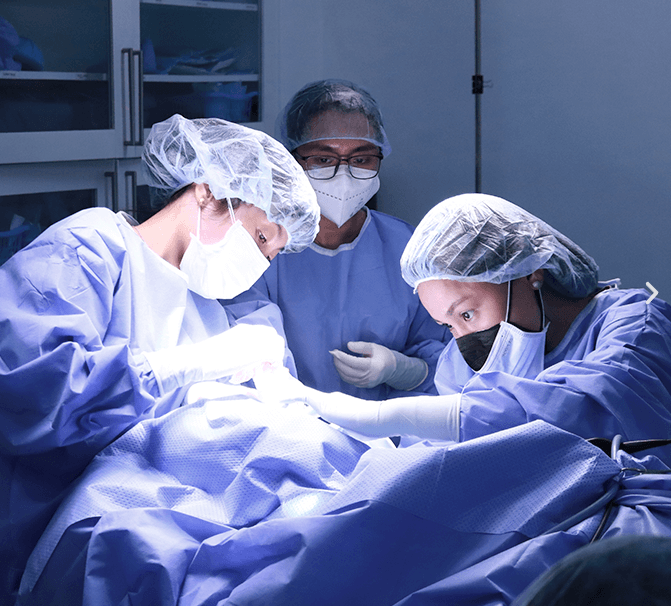
Knee replacement surgery removes damaged joint surfaces and replaces them with artificial components made from materials such as metal and medical-grade plastic. The procedure is commonly considered for severe knee arthritis or joint damage that causes ongoing pain, stiffness, and reduced function despite appropriate non-surgical care. AAOS describes total knee replacement as a procedure designed to relieve pain and correct functional problems caused by badly damaged knee surfaces.
Osteoarthritis is one frequent reason patients consider this operation. Rheumatoid arthritis and arthritis that follows major knee trauma may also damage joint surfaces enough to make replacement a possible treatment option. Surgical candidacy depends on symptoms, examination findings, imaging, overall health, and the effect knee problems have on daily activities.
Knowing the disadvantages of knee replacement surgery before making a decision helps patients compare surgery with other treatment choices. Some people may gain substantial relief, while others may need more time with conservative care before surgery becomes appropriate.
What Are the Main Disadvantages of Knee Replacement Surgery?
The main disadvantages of knee replacement surgery can be grouped into several areas: surgical risk, recovery demands, limitations after surgery, and long-term implant concerns. No patient faces exactly the same risk level. Age, medical history, body weight, mobility, previous operations, medication use, bone quality, and overall health may affect recovery and complication risk.
AAOS states that complication rates after total knee replacement are generally low, although serious problems can occur and may prolong recovery. A low overall complication rate should still be discussed carefully because even uncommon complications can have a major effect when they happen.
Patients should also remember that a replaced knee is an artificial joint. Surgery can improve function, but it cannot recreate every feature or sensation of a healthy natural knee.
1. Infection After Knee Replacement Surgery
One of the most discussed disadvantages of knee replacement surgery is infection. Infection may affect the surgical wound, tissues around the joint, or the artificial components themselves. AAOS reports that serious complications such as knee joint infection occur among fewer than 2% of patients after total knee replacement.
A superficial wound infection may sometimes respond to medication and wound care. A deep infection around an artificial joint can be much more serious because bacteria may attach to implant surfaces. AAOS explains that bacteria can survive and grow on implanted metal or plastic components as well as nearby tissue.
Treatment for a deep joint infection can require antibiotics, additional procedures, removal of implant components, or replacement surgery, depending on severity and timing. Patients should follow wound-care instructions from their surgical team and report concerning symptoms promptly.
Possible warning signs can include worsening redness, drainage, fever, chills, or increasing pain. Any concern about infection after surgery deserves prompt medical assessment rather than self-treatment.
2. Blood Clots and Pulmonary Embolism
Blood clots are another important concern when discussing the disadvantages of knee replacement surgery. Deep vein thrombosis, often called DVT, can develop after lower-limb surgery. A clot commonly forms within a deep vein of the leg and may cause swelling, pain, tenderness, or redness.
The NHS notes that DVT can occur after knee replacement and that a clot may sometimes travel to the lungs, causing a pulmonary embolism. AAOS also lists calf pain, tenderness, redness, and increasing swelling as possible warning signs after knee replacement.
Risk-reduction measures may include prescribed blood-thinning medication, early movement, ankle exercises, compression devices, or other measures selected by the treating team. Patients should follow their surgeon’s instructions because prevention plans vary according to personal medical risk.
Sudden shortness of breath or chest pain after surgery can require urgent medical attention. AAOS identifies those symptoms as possible signs of a clot that has traveled to the lungs.
3. Pain May Continue After Surgery
Pain relief is a major reason people choose knee replacement, but complete freedom from pain cannot be guaranteed. Persistent discomfort is one of the disadvantages of knee replacement surgery that may surprise patients who expect the new joint to feel completely normal.
AAOS reports that a small number of patients continue to have pain after knee replacement. Ongoing pain can have many possible causes, so evaluation by an orthopedic surgeon is important. Possible causes may relate to stiffness, infection, implant position, loosening, soft-tissue problems, nerve irritation, or another source outside the replaced joint.
Pain during early recovery is expected and differs from persistent pain that continues beyond the expected healing period. Patients should discuss pain patterns, swelling, movement problems, and functional changes with their medical team so the cause can be assessed properly.
Realistic expectations matter. Knee replacement aims to provide meaningful pain relief and better function, but no surgeon can promise a completely pain-free result for every patient.
4. Knee Stiffness and Reduced Motion
Knee stiffness can affect daily activities even after successful surgery. Scar tissue, pre-surgical stiffness, pain, swelling, muscle weakness, or difficulty progressing through rehabilitation may reduce movement.
This is one of the disadvantages of knee replacement surgery because patients often expect their new knee to bend and straighten like a healthy natural joint. AAOS notes that some patients develop stiffness after knee replacement and that additional treatment may sometimes be needed when motion remains significantly restricted.
Physical therapy and home exercises prescribed by the rehabilitation team are commonly part of recovery. Regular participation can support strength, walking ability, and joint motion. Progress, however, differs among patients.
Severe stiffness can make stairs, sitting, getting out of a vehicle, or rising from low seats harder. Patients who already have very limited motion before surgery should discuss expected post-surgical movement with their orthopedic surgeon.
5. A Replaced Knee May Not Feel Like a Natural Knee
A technically successful replacement may still feel different from a natural joint. Some patients notice clicking, numbness around the scar, kneeling discomfort, or a mechanical sensation during certain movements. These experiences can become part of the disadvantages of knee replacement surgery for people who expect the artificial joint to feel exactly like their original knee.
AAOS notes that some patients may notice clicking from metal and plastic components during bending or walking. Scar-area numbness and kneeling discomfort may also occur.
These sensations do not automatically mean the implant has failed. Still, new pain, instability, swelling, or sudden changes should be discussed with an orthopedic professional.
Expectations should focus on useful function and pain reduction rather than the idea of returning the knee to a completely natural state.
6. Nerve or Blood Vessel Injury
Nerves and blood vessels pass near the knee, so injury to these structures is a possible surgical complication. AAOS describes nerve or blood vessel injury as an uncommon complication of total knee replacement.
Nerve-related symptoms can include numbness, weakness, tingling, altered sensation, or difficulty controlling certain muscles. Blood vessel injury can create circulation problems that require prompt assessment.
Although this risk is uncommon, it belongs among the disadvantages of knee replacement surgery because nerve or vascular complications can affect mobility and recovery. Patients with prior knee operations, unusual anatomy, circulation problems, or other risk factors should discuss their history with their surgeon before treatment.
7. Knee Implants Can Wear or Loosen
Artificial knee components are designed for long-term use, but they are not guaranteed to last forever. Wear, loosening, instability, infection, or damage around the implant can eventually affect function.
AAOS explains that implant surfaces may wear and components may loosen over time. Excessive activity or body weight can place additional stress on a replacement. This makes implant longevity an important part of any discussion about the disadvantages of knee replacement surgery, particularly for younger or highly active patients.
Wear does not mean every patient will need another operation. Many replacements function well for many years. Still, a patient who receives a replacement at a younger age may have a longer lifetime period during which implant-related problems could develop.
Regular orthopedic follow-up can help assess implant condition, especially when new pain, swelling, instability, or reduced function appears.
8. Some Activities May Need to Change
Better mobility after knee replacement does not mean every sport or physical activity becomes advisable. High-impact activity can place greater stress on artificial components.
AAOS advises patients to avoid high-impact activities such as running and jumping after total knee replacement because those activities can increase wear or stress on implant components. Lower-impact choices may be more suitable after recovery, depending on medical clearance and individual ability.
For active adults, this can be one of the more meaningful disadvantages of knee replacement surgery. A person who enjoys running, jumping sports, or physically demanding recreation should discuss those goals before choosing surgery.
The best activity plan depends on joint stability, muscle strength, balance, other medical conditions, and the surgeon’s recommendations.
9. Recovery Requires Work, Time, and Rehabilitation
Knee replacement recovery is not immediate. Patients usually need a structured recovery period that includes pain control, walking practice, progressive exercises, and physical therapy. Temporary use of a walker, crutches, or another mobility aid may be required.
AAOS explains that recovery after knee replacement includes gradual activity progression and specific exercises to restore movement and strength. Recovery speed varies according to age, health, pre-surgical condition, surgical factors, and rehabilitation progress.
This recovery commitment is one of the practical disadvantages of knee replacement surgery. Patients may need temporary help with household tasks, transportation, work duties, shopping, or personal care. Some people may also need home changes to reduce fall risk during early recovery.
Rehabilitation can feel difficult, especially during the first weeks. Consistency, communication with the care team, and realistic short-term goals can help patients manage this phase.
10. Another Operation May Become Necessary
A knee replacement may eventually require revision surgery. Revision means removing or replacing some or all artificial components because the original replacement no longer functions as intended.
AAOS lists implant wear, loosening, infection, instability, and fractures around replacement components among reasons revision knee replacement may become necessary. Revision surgery can be more complex than a first knee replacement because surgeons may need to manage scar tissue, bone loss, old components, or infection.
The possibility of another operation is one of the long-term disadvantages of knee replacement surgery. This issue can matter more for younger patients because they may place demands on the implant for a longer period.
Are the Disadvantages of Knee Replacement Surgery Greater Than the Benefits?
There is no single answer for every patient. For someone with severe arthritis, major mobility loss, daily pain, and poor response to conservative treatment, potential benefits may outweigh the disadvantages of knee replacement surgery. For someone with milder symptoms or manageable pain, continued non-surgical care may remain reasonable.
AAOS describes total knee replacement as a treatment that can relieve pain and improve function for many patients, while also recognizing possible complications and limitations. The decision should focus on symptom severity, joint damage, health status, treatment history, lifestyle, and personal goals.
Patients should avoid making the choice based only on age, online stories, or fear of surgery. A clinical examination and appropriate imaging can help determine whether symptoms match the level of joint damage and whether replacement is likely to meet the patient’s goals.
A patient who understands both possible benefits and drawbacks is better prepared to discuss treatment choices with an orthopedic surgeon.
Can Knee Replacement Be Delayed or Avoided?
Some patients may have non-surgical choices that help control symptoms before replacement becomes necessary. Options can include physical therapy, activity changes, weight management when appropriate, medication, braces, walking aids, or selected injections. The right choice depends on diagnosis and disease severity.
Non-surgical treatment does not repair every type of severe joint damage, and delaying surgery is not automatically better. A patient whose pain and mobility loss remain severe despite appropriate care may still be a candidate for replacement.
Discussing the disadvantages of knee replacement surgery alongside non-surgical choices allows patients to compare expected outcomes rather than viewing surgery as the only possible next step.
A qualified orthopedic surgeon can assess whether continued conservative care remains reasonable or whether joint replacement deserves serious consideration.
Who Should Discuss Knee Replacement Risks Carefully?
Every patient should discuss surgical risk, but extra attention may be needed for people with significant medical conditions, previous knee operations, circulation problems, a history of blood clots, active infection, poor wound healing, or medications that affect bleeding or immune function.
AAOS notes that chronic illnesses can raise the potential for complications after total knee replacement. A pre-surgical medical review helps the care team identify risk factors and plan steps that may reduce avoidable problems.
Patients should give their orthopedic surgeon a complete medication list and accurate medical history. They should also discuss smoking or nicotine use, allergies, previous infections, prior surgery, and any major health changes before the procedure.
Understanding personal risk is more useful than relying on a generic list of disadvantages of knee replacement surgery.
How Tec Orthopedics Supports Better Knee Treatment Decisions
Tec Orthopedics focuses on helping patients understand the cause of knee pain, the degree of joint damage, available treatment choices, and realistic goals before a major orthopedic procedure is selected.
Dr. Mervyn Tec is a board-certified orthopedic surgeon whose training includes focused work related to hips and knees. His background supports careful assessment of joint pain, mobility concerns, arthritis, and surgical treatment options.
A knee replacement decision should never rest only on an X-ray or pain score. Daily function, walking tolerance, sleep disruption, work demands, recreational goals, previous treatment response, overall health, and patient expectations all deserve consideration.
For patients worried about the disadvantages of knee replacement surgery, an orthopedic consultation offers a chance to ask specific questions: Why is surgery being considered? What alternatives remain? What risks apply personally? What level of movement is realistic after recovery? What rehabilitation will be required?
Clear answers can help patients make a choice based on their own condition rather than general assumptions.
Questions to Ask Before Knee Replacement Surgery
Patients considering surgery may want to prepare several questions before an orthopedic consultation.
Ask what is causing the knee pain and whether arthritis, injury, deformity, instability, or another problem is responsible. Ask whether appropriate non-surgical options have already been tried and whether any reasonable alternatives remain.
Patients should also ask about expected pain relief, likely range of motion, rehabilitation demands, time away from work, activity restrictions, implant longevity, personal complication risk, and circumstances that might require revision surgery.
Discussing the disadvantages of knee replacement surgery openly is part of responsible medical decision-making.
Patients should also ask what symptoms after surgery require urgent medical attention and whom they should contact when recovery does not follow the expected course.
Making a Careful Decision About Knee Replacement
The disadvantages of knee replacement surgery deserve serious consideration, but they should be weighed beside the problems caused by severe knee disease. Persistent pain, poor sleep, reduced walking ability, loss of independence, and inability to perform valued activities can also carry major consequences.
Knee replacement may offer meaningful relief for properly selected patients, yet surgery comes with recovery demands and possible complications. Infection, blood clots, persistent pain, stiffness, implant wear, activity changes, nerve or blood vessel injury, and possible revision surgery are all issues worth discussing beforehand.
A careful orthopedic assessment can help determine whether expected benefits justify those risks. Patients considering knee replacement can speak with Tec Orthopedics about their symptoms, treatment history, mobility goals, and concerns before choosing the next step.
Frequently Asked Questions About the Disadvantages of Knee Replacement Surgery
What is the biggest disadvantage of knee replacement surgery?
There is no single biggest disadvantage for every patient. Some people are most concerned about surgical complications, while others are more affected by rehabilitation demands, long-term activity limits, stiffness, or the possibility of implant wear. Personal health and lifestyle goals help determine which concern matters most.
Can pain remain after knee replacement?
Yes. Most patients seek surgery because of severe knee pain, but a small number can continue to have pain after knee replacement. AAOS recognizes persistent pain as a possible outcome. Ongoing pain should be assessed to determine whether a treatable cause is present.
Can a knee replacement become infected?
Yes. Infection can affect the wound or deeper tissues around the artificial joint. Deep infection may require antibiotics or additional surgery. AAOS explains that bacteria can attach to implant surfaces and nearby tissue, making some joint infections difficult to treat.
Can knee replacement cause blood clots?
Yes. DVT is a known risk after knee replacement. A clot can occasionally travel to the lungs and cause a pulmonary embolism. Patients should follow prescribed clot-prevention measures and seek urgent care for concerning symptoms.
Can knee replacement cause stiffness?
Yes. Some patients experience reduced knee motion after surgery. Rehabilitation often focuses on restoring movement and strength, although severe stiffness can sometimes require additional treatment.
Does a knee replacement last forever?
No artificial knee can be guaranteed to last for a patient’s entire lifetime. Implant surfaces can wear, components can loosen, and other problems may develop over time. Longevity varies from one patient to another.
Will sports be restricted after knee replacement?
Some high-impact activities may be discouraged because they place extra stress on artificial components. AAOS advises avoiding activities such as running and jumping after total knee replacement. Patients should ask their surgeon which activities fit their recovery and implant.
When should someone consider knee replacement?
Knee replacement may deserve consideration when severe knee pain and reduced function continue despite appropriate non-surgical care. The final decision should follow orthopedic assessment, review of imaging, discussion of medical risks, and a clear understanding of recovery expectations.
Are the disadvantages of knee replacement surgery worth accepting?
That answer depends on the individual. Patients with severe pain and major mobility loss may decide that expected pain relief and improved function outweigh the risks. Others may prefer continued conservative care when symptoms remain manageable. An orthopedic surgeon can help compare both sides based on the patient’s actual condition.
Where can patients get advice about knee replacement?
Patients can consult Tec Orthopedics for assessment of knee pain, arthritis, mobility limitations, and possible surgical or non-surgical treatment choices. A consultation with Dr. Mervyn Tec can help patients understand the disadvantages of knee replacement surgery alongside potential benefits, recovery expectations, and alternative care options.