Understanding Foot Necrosis
Foot necrosis refers to the death of tissue in part of the foot when cells are severely damaged or deprived of the oxygen and nutrients they need to survive. The condition can affect the skin, muscles, soft tissues, toes, or deeper structures depending on its underlying cause and severity. Poor blood circulation is one of the major factors associated with tissue death because healthy blood flow delivers oxygen and nutrients while carrying away waste products. Severe infections, injuries, diabetes-related complications, blood clots, and prolonged pressure can also contribute to tissue damage. Foot necrosis should never be treated as an ordinary bruise, minor wound, or temporary change in skin color because the underlying problem may continue to worsen. Some cases develop gradually, while others can progress quickly, especially when infection is involved. Recognizing unusual changes in the foot and obtaining appropriate medical attention can help identify the cause and prevent additional tissue damage.
What Causes Foot Necrosis?
Several different health conditions and injuries can contribute to foot necrosis. Peripheral artery disease can restrict blood flow to the lower legs and feet, making it difficult for damaged tissue to receive enough oxygen for repair. Diabetes can also increase the risk because prolonged blood glucose problems may affect circulation and nerves over time. Nerve damage can reduce sensation, meaning a person may not notice a blister, cut, burn, or pressure injury until it has become serious. Severe bacterial infections can destroy tissue and may spread beyond the original wound if they are not treated promptly. Trauma, including crushing injuries or severe wounds, can damage blood vessels and directly injure tissue. Blood clots and other circulation problems can suddenly reduce the blood supply to part of the foot. Exposure to extreme cold, untreated ulcers, prolonged pressure, and other forms of severe tissue stress may also contribute to tissue death.
The Connection Between Diabetes and Foot Necrosis
Diabetes is an important risk factor for serious foot complications, particularly when blood glucose remains poorly controlled or when related nerve and blood vessel problems develop. Diabetic neuropathy can reduce the ability to feel pain, heat, pressure, or minor injuries in the feet. A person with reduced sensation may continue walking on a blister or wound without realizing that additional damage is occurring. Diabetes can also affect blood vessels and circulation, which may make it harder for wounds to receive the oxygen and nutrients needed for healing. When an injury becomes infected, the combination of infection, poor circulation, and impaired sensation can create a particularly serious situation. Diabetic foot ulcers may become deeper or more difficult to manage when they are not recognized and treated early. Regular foot examinations, appropriate footwear, blood glucose management, and prompt attention to wounds can therefore play an important role in protecting foot health.
Early Warning Signs of Foot Necrosis
The warning signs of foot necrosis can vary depending on the cause, the amount of tissue affected, and whether infection or circulation problems are present. Changes in skin color are among the signs that deserve attention, particularly when the skin becomes unusually pale, blue, purple, gray, or black. The affected area may also feel colder than the surrounding foot when blood circulation is significantly reduced. Some people experience severe pain, while others may have numbness or very little discomfort because of nerve damage. Swelling, blisters, persistent sores, drainage, changes in skin texture, or an unpleasant odor can also indicate serious tissue damage or infection. A wound that fails to heal normally should not be ignored, especially when the person has diabetes or known circulation problems. Any sudden or rapidly worsening change in the appearance, temperature, sensation, or condition of the foot deserves prompt evaluation by a qualified healthcare professional.
How Foot Necrosis Can Progress
Foot necrosis can develop in stages, although the progression is not identical for every person. A circulation problem may initially cause pain, coldness, skin discoloration, or slow wound healing before more severe tissue damage develops. If blood flow becomes severely restricted, tissue may eventually lose its ability to survive. When bacteria enter damaged tissue, infection can accelerate the destruction of surrounding tissue and create additional complications. Dead tissue may also provide an environment where certain bacteria can multiply, increasing the risk of a serious infection. In severe circumstances, tissue death can develop into gangrene, which requires urgent medical attention. Infection that spreads beyond the foot can potentially affect the bloodstream and other parts of the body, making rapid medical assessment particularly important. Early recognition of circulation problems, wounds, infection, and tissue changes can give healthcare professionals a better opportunity to address the underlying problem before damage becomes more extensive.
Types of Tissue Death That Can Affect the Foot
There are several forms of tissue death that may affect the foot, and their appearance and progression can differ. Dry gangrene is commonly associated with severely reduced blood flow and may cause affected tissue to become dry, shriveled, and dark. Wet gangrene involves tissue death combined with infection and may produce swelling, drainage, a foul odor, and rapidly worsening tissue damage. Gas gangrene is a serious infection involving certain bacteria that can produce gas within damaged tissue. This form can progress rapidly and requires immediate medical attention. The distinction between different types of tissue damage is important because treatment depends heavily on the underlying cause and severity. A darkened toe, for example, cannot be accurately diagnosed simply by looking at a photograph because several conditions can produce changes in skin color. Medical evaluation is necessary to determine whether the problem involves poor circulation, infection, trauma, or another underlying condition.
Who Is at Higher Risk of Foot Necrosis?
Certain individuals have a higher risk of developing severe foot tissue damage because of underlying health conditions or repeated exposure to foot injuries. People with diabetes may be more vulnerable because nerve damage and circulation problems can make injuries harder to detect and heal. Individuals with peripheral artery disease may also face an increased risk because reduced arterial blood flow can limit the oxygen reaching the feet. People who smoke may have additional circulation concerns because tobacco use can negatively affect blood vessels and wound healing. Individuals with chronic foot ulcers, significant mobility limitations, or previous serious foot injuries may also require careful monitoring. Older adults may have multiple risk factors that affect circulation, sensation, skin integrity, or the body’s ability to recover from injuries. Understanding personal risk factors can help people and their healthcare providers develop appropriate strategies for protecting the feet and addressing problems at an early stage.
How Doctors Diagnose Foot Necrosis
Diagnosing foot necrosis involves more than examining the visible appearance of the foot. A healthcare professional will typically consider the patient’s symptoms, medical history, medications, existing conditions, recent injuries, and progression of the problem. The physical examination may include checking skin color, temperature, sensation, swelling, wounds, and pulses in the foot and leg. Healthcare professionals may also evaluate circulation using tests such as an ankle-brachial index or Doppler ultrasound. Blood tests can help identify signs of infection or other health problems that may contribute to tissue damage. Imaging studies such as X-rays, CT scans, or MRI examinations may be considered when deeper infection, bone involvement, or extensive tissue damage is suspected. Determining the cause is essential because treating the visible tissue problem without addressing poor circulation, infection, diabetes, or another underlying condition may not resolve the broader health issue.
Treatment Options for Foot Necrosis
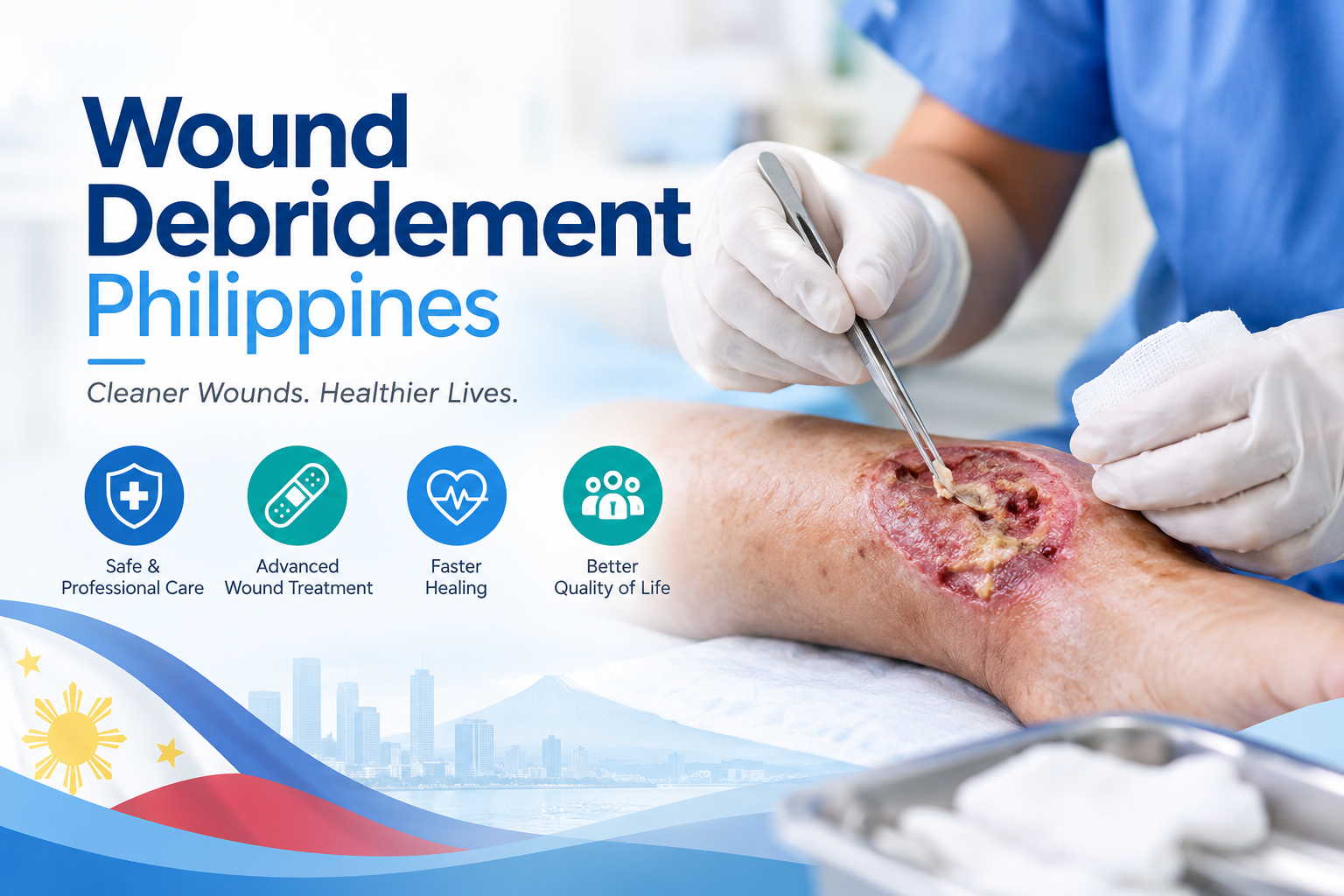
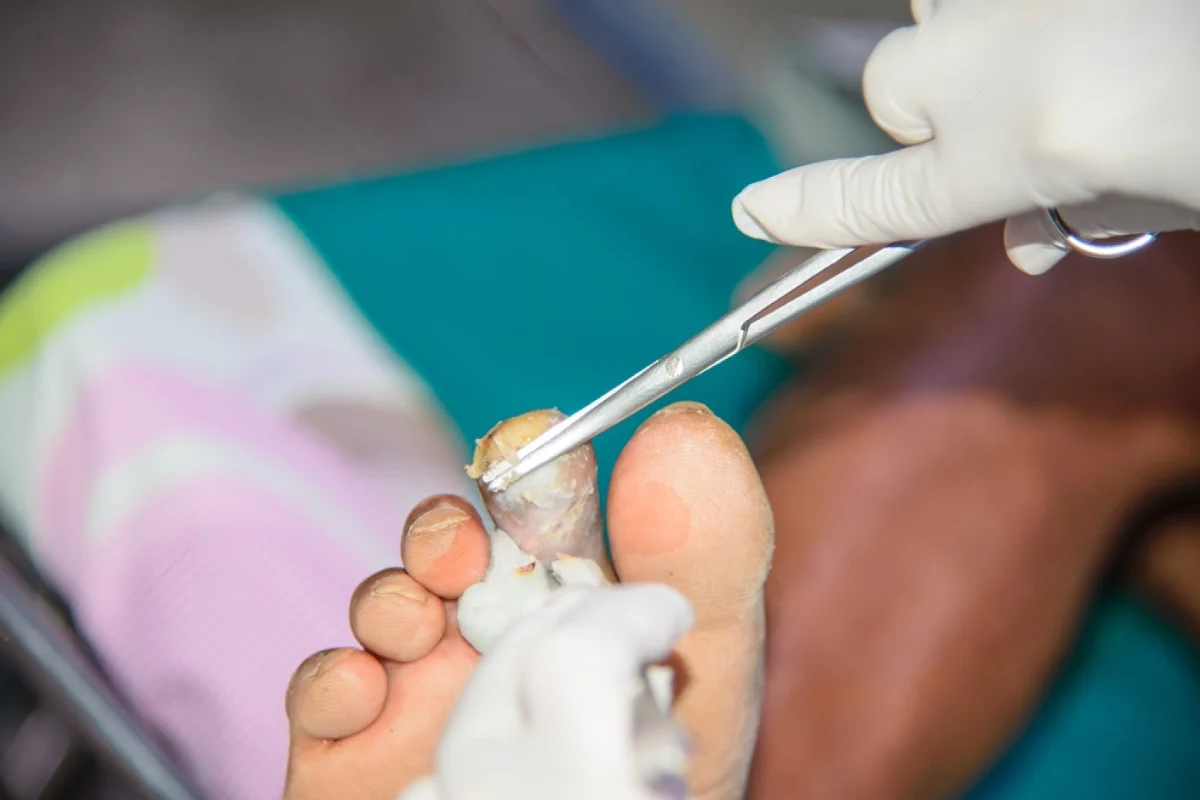
Treatment for foot necrosis depends on the underlying cause, the amount of tissue affected, the presence of infection, and the patient’s overall health. When infection is present, healthcare professionals may prescribe appropriate antibiotics and provide wound management based on the type and severity of the infection. Dead or severely damaged tissue may require debridement, which involves removing tissue that cannot recover so healthier tissue can be properly managed. When poor blood circulation is contributing to tissue death, doctors may evaluate whether a vascular procedure could improve blood flow to the affected area. Blood glucose management is particularly important when diabetes is contributing to wound complications or tissue damage. In advanced cases, surgery may be necessary when tissue has been extensively damaged or when removing affected tissue is required to control a serious infection. Treatment decisions should always be made by qualified medical professionals because attempting to treat extensive tissue damage independently can delay appropriate care and potentially worsen the condition.
Why Restoring Blood Flow Can Be Critical
Healthy circulation is essential for maintaining living tissue and supporting the body’s natural healing processes. Blood carries oxygen, nutrients, immune cells, and other substances needed for tissue maintenance and repair. When an artery becomes significantly narrowed or blocked, the affected portion of the foot may not receive enough oxygen to remain healthy. Poor circulation can also make it more difficult for the body to fight infection and repair wounds. In some situations, treating the wound alone may not be enough because the underlying circulation problem continues to interfere with healing. Healthcare professionals may evaluate blood vessels and determine whether medication, lifestyle changes, or a vascular procedure is appropriate. Improving circulation when medically possible can be an important part of protecting remaining healthy tissue. For this reason, persistent foot wounds, unexplained discoloration, coldness, or slow healing should receive professional evaluation rather than being managed solely with topical products or home remedies.
Foot Necrosis and Wound Care
Proper wound care can be an important part of managing foot problems, particularly for people who have diabetes, circulation issues, or reduced sensation. A healthcare professional may recommend specific cleaning, dressing, offloading, medication, or monitoring practices based on the wound’s condition. Keeping a wound protected can reduce exposure to additional irritation and contamination. People should follow professional wound-care instructions carefully rather than experimenting with harsh chemicals or unapproved treatments. Pressure can interfere with healing, so healthcare professionals may recommend reducing pressure on certain areas of the foot when appropriate. Changes in drainage, odor, swelling, pain, skin color, or wound size should be reported promptly because they may indicate worsening infection or tissue damage. Individuals with reduced sensation should be particularly careful because they may not experience the discomfort that would normally signal a problem. Consistent monitoring and appropriate medical care can help identify changes before a relatively manageable wound develops into a much more serious complication.
When Foot Necrosis Requires Emergency Medical Attention
Some signs associated with foot tissue damage require immediate medical assessment rather than routine observation. Rapidly spreading discoloration, blackened tissue, sudden severe pain, or sudden loss of sensation can indicate a serious circulation or tissue problem. A foot that becomes unusually cold, pale, blue, or significantly swollen also deserves urgent attention. Pus, foul-smelling drainage, rapidly worsening redness, or an expanding wound may indicate a potentially serious infection. Fever, chills, confusion, extreme weakness, or feeling severely unwell alongside a foot wound can indicate that an infection may be affecting the body more broadly. People with diabetes or known circulation problems should be especially cautious about changes that might otherwise appear minor. Waiting for a serious foot problem to improve on its own can allow tissue damage or infection to progress. If a person experiences rapidly worsening symptoms or believes a serious infection or circulation problem may be present, seeking emergency medical care is the safest approach.
How to Reduce the Risk of Foot Necrosis
Although not every case of foot necrosis can be prevented, several habits can help reduce the risk of severe foot complications. People should inspect their feet regularly for cuts, blisters, redness, swelling, cracks, drainage, unusual discoloration, or other changes. Wearing properly fitting shoes can reduce friction and pressure that may cause skin breakdown. People at increased risk should avoid walking barefoot in situations where cuts, burns, punctures, or other injuries are possible. Diabetes management should follow the treatment plan provided by a healthcare professional because blood glucose control can affect nerve health, circulation, and wound healing. Tobacco avoidance is also important because smoking can negatively affect blood vessels and the body’s ability to heal. Existing circulation problems should be evaluated rather than ignored, particularly when foot wounds take longer than expected to heal. Prompt attention to even seemingly minor injuries can be especially valuable for people who have reduced sensation or known circulation problems.
Daily Foot Checks: What to Look For
A simple daily foot inspection can help people notice changes before they become more serious. The examination should include the tops and bottoms of the feet, heels, toenails, and spaces between the toes. People should look for cuts, blisters, cracks, redness, swelling, bruising, drainage, or areas of unusual skin color. It is also useful to notice whether one foot feels colder or warmer than the other. Changes in sensation, including new numbness, tingling, burning, or loss of feeling, should also receive attention. A mirror can help someone inspect the bottom of the foot when it is difficult to see directly. People with diabetes or circulation problems may benefit from having their feet checked regularly by a healthcare professional in addition to performing personal inspections. A consistent routine can make it easier to recognize changes quickly and seek appropriate medical care when something does not look or feel normal.
Common Misconceptions About Foot Necrosis
One misconception is that dark or black skin on the foot is always a simple bruise, when it may sometimes indicate severe tissue damage or impaired circulation. Another misconception is that serious foot problems must always cause intense pain. Nerve damage, particularly in people with diabetes, can reduce sensation and allow significant injuries to develop with surprisingly little discomfort. Some people may also believe that applying a cream or household remedy can restore tissue that has already died, but dead tissue cannot simply be brought back to life with topical products. Another misconception is that foot necrosis only affects people with diabetes, even though trauma, infections, circulation disorders, blood clots, and other conditions can also contribute to tissue death. It is also risky to assume that a wound will heal on its own simply because it initially appears small. Understanding these misconceptions can help people recognize warning signs earlier and avoid delays in seeking professional medical care.
Frequently Asked Questions About Foot Necrosis
What is foot necrosis?
Foot necrosis is tissue death affecting part of the foot, often because tissue has been deprived of sufficient blood flow or severely damaged. Infection, trauma, diabetes-related complications, and vascular problems can contribute to the condition. The appearance and symptoms can vary depending on the affected tissues and underlying cause. Medical evaluation is important because the condition may become more serious if the underlying problem is not addressed.
What does foot necrosis look like?
Foot necrosis may involve skin that becomes unusually dark, pale, blue, purple, gray, or black. The affected tissue may also become dry, fragile, swollen, or develop an open wound. However, changes in skin color alone cannot confirm necrosis because several medical conditions can cause discoloration. A healthcare professional should evaluate concerning changes to determine their cause.
Can diabetes cause foot necrosis?
Diabetes can increase the risk of serious foot complications that may eventually contribute to tissue death. Nerve damage can reduce sensation, while circulation problems can interfere with wound healing. A small injury can therefore go unnoticed and become infected or increasingly difficult to heal. Regular foot inspections and appropriate medical care are important for people with diabetes.
Is foot necrosis painful?
Foot necrosis can be painful, but pain is not always present. People with nerve damage may have reduced sensation and may not notice serious tissue damage. A painless wound or discolored area should therefore not automatically be considered harmless. Any unusual or worsening change should be assessed by a healthcare professional.
Can foot necrosis be treated?
Treatment depends on the cause and severity of the tissue damage. Medical care may involve wound treatment, antibiotics when appropriate, removal of dead tissue, treatment for circulation problems, or surgery in severe situations. The sooner the underlying cause is identified, the sooner an appropriate treatment plan can be considered. Treatment should be individualized by qualified healthcare professionals.
Can dead foot tissue heal?
Tissue that has already died cannot return to its previous healthy state. However, tissue surrounding the affected area may remain viable and may require protection and appropriate treatment. Healthcare professionals may remove dead tissue when necessary and address the condition responsible for the damage. The potential for recovery depends on factors such as blood circulation, infection, wound depth, and overall health.
Is foot necrosis an emergency?
Some forms of foot necrosis can represent a medical emergency, particularly when tissue damage develops rapidly or is accompanied by a serious infection or severe circulation problem. Blackened tissue, rapidly spreading discoloration, severe swelling, sudden numbness, severe pain, foul-smelling drainage, or systemic symptoms should receive urgent medical attention. Rapidly progressing infections can become dangerous if treatment is delayed. Anyone experiencing these warning signs should seek immediate professional care.
How can foot necrosis be prevented?
Risk reduction includes regular foot inspections, appropriate footwear, injury prevention, diabetes management, attention to circulation problems, and prompt treatment of wounds. People who smoke may also benefit from avoiding tobacco because it can negatively affect circulation and healing. Those with diabetes or vascular conditions should follow their healthcare professional’s recommendations for routine foot care. Early attention to wounds and unusual changes can reduce the chance of severe complications.
When should someone see a doctor about a foot wound?
A person should seek medical attention when a wound does not heal normally, becomes increasingly painful, changes color, produces drainage, swells, develops an odor, or shows signs of infection. People with diabetes, reduced sensation, or circulation problems may need to seek professional advice even when a wound appears minor. Sudden changes in foot temperature, color, or sensation can also require urgent assessment. Prompt evaluation can help identify problems that may not be obvious from the surface of the foot.
Takeaway
Foot necrosis is a serious condition involving tissue death that can result from poor circulation, infection, trauma, diabetes-related complications, and other health problems. Early warning signs may include unusual discoloration, coldness, numbness, persistent wounds, swelling, drainage, or changes in skin texture. Not every case causes severe pain, particularly when nerve damage has reduced sensation. People with diabetes and circulation problems should be especially attentive to changes in their feet because seemingly minor injuries can sometimes develop into significant complications. Professional evaluation is essential when tissue damage, infection, or impaired circulation is suspected. Treatment focuses on addressing the underlying cause, protecting healthy tissue, controlling infection when present, and supporting healing whenever possible. Paying attention to foot health every day and responding promptly to unusual changes can be an important part of reducing the risk of severe complications.