
Understanding Accredited Legal Paternity DNA Testing Philippines
Accredited Legal Paternity DNA Testing Philippines refers to DNA testing arranged and documented for situations where the results may be needed for legal purposes. Unlike a personal paternity test, a legal test requires careful attention to participant identification, sample collection, documentation, and chain of custody. These procedures help establish that the biological samples tested actually came from the individuals identified in the official records. This distinction can become important when DNA results may be presented in a family-related legal proceeding. A properly organized legal test can provide scientifically generated information while also maintaining documentation that supports the integrity of the testing process. Individuals should therefore tell the testing provider from the beginning that the test may be used for legal purposes. This allows the provider to explain the appropriate collection procedure and documentation requirements before samples are taken.
DNA testing has become an important scientific tool in Philippine legal proceedings involving biological relationships. The Supreme Court has recognized DNA analysis as a scientific method capable of addressing questions involving paternity and filiation. Under the Philippine Rule on DNA Evidence, courts evaluate DNA results according to specific standards, including the probability of paternity and the totality of evidence presented. However, obtaining a DNA result and presenting that result as evidence are separate matters. A person seeking legal testing should therefore consider both the scientific testing process and the documentation surrounding the collection and handling of samples. Choosing an appropriately qualified laboratory and following its legal-testing procedures can help reduce questions about sample identity and integrity.
Why Legal Paternity Testing May Be Important
Questions about biological paternity can have significant personal and legal implications for parents and children. A paternity DNA test may be relevant when biological fatherhood is disputed or needs to be established with scientific evidence. It can become particularly important in matters involving filiation, child support, inheritance, parental rights, or other family-related concerns. Each situation can have different legal requirements, so individuals involved in an active dispute should consider obtaining advice from a qualified Philippine attorney. Legal guidance can help determine whether a private legal test, a court-related testing process, or another procedure is appropriate. The purpose of the DNA test should be clearly identified before samples are collected. This is especially important when the results may eventually be submitted as part of a court proceeding.
A properly documented test can provide more than a simple statement about whether DNA profiles are consistent with biological paternity. It can establish a record of who participated, how the samples were collected, and how those samples were handled. This documentation can be important when another party questions the origin or integrity of the biological material. Legal testing therefore places greater emphasis on traceability than a test performed solely for personal knowledge. Individuals should avoid assuming that every commercially available paternity test follows the same procedures. Asking questions before booking the test can help ensure that the selected service matches the intended purpose.
Legal Paternity DNA Testing vs. Personal Paternity Testing
A personal paternity DNA test is generally designed to provide private information to the people who request the test. A legal paternity DNA test is arranged with procedures intended to establish the identity of participants and maintain documented sample handling. With a personal test, participants may collect their own samples using a home collection kit. With legal testing, collection is generally controlled and documented according to the provider’s established procedures. Identification requirements can also be more extensive because the identity of each tested person needs to be associated with the correct biological sample. This distinction is one of the most important factors to understand before ordering a paternity test. A person who needs results for a legal matter should specifically request a legal testing process rather than simply ordering a standard personal test.
The difference does not necessarily mean that one type of DNA analysis is scientifically superior to the other. Both may use DNA profiling techniques to compare genetic markers between tested individuals. The major difference concerns the circumstances surrounding collection, identification, documentation, and intended use of the results. A personal test may answer a private question but may lack the documentation needed for a legal proceeding. A legal test is structured to create a more complete evidentiary record. Anyone considering testing should communicate the intended purpose clearly before samples are collected. This simple step can prevent the inconvenience of repeating the test under a different collection procedure.
What Makes a Paternity DNA Test Appropriate for Legal Use?
Several procedural elements can distinguish a legal paternity DNA test from an ordinary personal test. Participant identification is one of the first important steps because the laboratory needs to associate each sample with the correct person. The collection process should also be properly documented so there is a record of when and how the samples were obtained. Sample labeling must accurately correspond with the participant information recorded during collection. Chain-of-custody procedures help document the movement and handling of the samples before and during laboratory testing. The laboratory should also maintain appropriate records relating to the analysis and preparation of the final report. These procedures collectively help establish confidence that the DNA profile belongs to the individual identified in the testing documentation.
A person requesting legal testing should ask the provider what procedures are used for identity verification. It is also reasonable to ask how samples are labeled, transported, stored, and received by the laboratory. The provider should be able to explain what documents participants need to bring to the appointment. Participants should carefully review names, dates, identification details, and other information recorded on testing documents. Errors in documentation can create unnecessary complications later. Proper preparation can make the testing appointment more efficient and reduce the risk of administrative problems. The goal is to create a clear connection between each participant, the collected sample, the laboratory analysis, and the final report.
Chain of Custody and Legal Paternity DNA Testing
Chain of custody is an important concept when biological evidence may be used in a legal setting. It refers to documentation showing how a sample is identified, handled, transferred, stored, and processed. For a paternity DNA test, this process helps establish that the sample analyzed by the laboratory is associated with the person identified during collection. Proper records can include information about collection personnel, participant identification, sample labeling, laboratory receipt, and testing procedures. Each stage should be handled according to the laboratory’s established protocols. Maintaining these records can become particularly important if someone later questions whether a sample was properly identified or handled. A well-documented process provides a clearer evidentiary trail from collection through laboratory analysis.
Participants also have an important role in protecting the integrity of the process. They should provide accurate identification and personal information during the appointment. They should not allow another individual to provide a sample on their behalf. They should also follow all collection instructions provided by the authorized personnel. If a participant has concerns about the procedure, those concerns should be raised before the sample is collected. Clear communication at the collection stage can prevent misunderstandings later. These steps help support a transparent and properly documented legal DNA testing process.
Philippine Rules on DNA Evidence
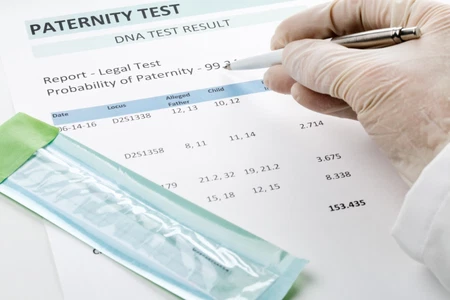
The Philippines has a specific Rule on DNA Evidence, identified as A.M. No. 06-11-5-SC. Philippine Supreme Court decisions have discussed the use of DNA evidence in matters involving paternity, filiation, and biological relationships. The rule provides standards for evaluating DNA testing results and recognizes the importance of scientific reliability. Under Section 9 of the rule, DNA results excluding a putative parent from paternity are treated as conclusive proof of non-paternity. When the Probability of Paternity is below 99.9%, the DNA result is treated as corroborative evidence. When the Probability of Paternity is 99.9% or higher, the rule provides for a disputable presumption of paternity. This legal framework demonstrates why the wording and statistical information contained in an official DNA report can matter in a court proceeding.
The 99.9% figure should not be misunderstood as a statement that DNA testing produces an absolute guarantee about every legal issue surrounding parentage. A disputable presumption can be challenged by other evidence under applicable legal procedures. Courts also evaluate DNA evidence within the broader circumstances and evidence presented in a particular proceeding. This means that people should avoid treating a laboratory percentage as a substitute for legal advice. The meaning and legal effect of a particular DNA result can depend on the facts and procedural circumstances of the matter. Anyone involved in litigation should discuss the appropriate use of DNA evidence with legal counsel. The laboratory can provide scientific testing and reporting, while legal professionals can explain how those results may fit within the applicable legal process.
How the Legal Paternity DNA Testing Process Works
The process usually begins by identifying the purpose of the DNA test. If the results may be needed for legal purposes, participants should request a legal paternity testing procedure before collection. The testing provider can then explain identification requirements, consent documents, collection procedures, and other necessary steps. Participants typically provide identification so the collection record can be linked to the correct individuals. Biological samples are collected under controlled conditions and labeled according to the provider’s procedures. The samples are then transferred to the laboratory for DNA analysis while maintaining the relevant documentation. Once analysis is complete, the laboratory prepares a report containing the DNA findings and statistical interpretation.
The process may vary depending on the laboratory and the circumstances surrounding the test. Additional participants may sometimes be included when scientifically or procedurally appropriate. The mother may also be tested in certain testing arrangements, although the exact participant requirements should be confirmed with the provider. Minors may have additional identification, consent, or guardian-related requirements. People involved in court proceedings should also ask their attorney whether additional procedures are necessary. Keeping all official documents associated with the testing process can be important. A complete record can help participants understand how the result was produced and provide documentation that may be relevant if the report is later needed for legal purposes.
Choosing an Accredited DNA Testing Laboratory
Selecting a laboratory is an important step when arranging Accredited Legal Paternity DNA Testing Philippines. People should look beyond advertising claims and ask about the laboratory’s actual accreditation and relevant testing scope. Accreditation should be considered in relation to the specific services and testing activities covered by that accreditation. A laboratory may have accreditation for particular testing activities without that accreditation automatically determining whether every report will be accepted in every legal proceeding. Consumers should therefore ask detailed questions rather than relying on a general claim that a facility is accredited. It is also useful to ask whether the laboratory specifically provides legal paternity testing rather than only personal or informational DNA tests. The provider should be able to explain its collection, identification, chain-of-custody, reporting, and privacy procedures.
Cost should also be considered carefully, but it should not be the only deciding factor. A lower-priced test may not provide the collection and documentation procedures required for the intended legal purpose. Prospective clients should request a clear explanation of what the quoted price includes. Questions about turnaround time, participant requirements, additional documentation, and report delivery should be addressed before payment. Clients should also ask how samples and genetic information are protected. These questions can help individuals compare providers based on meaningful factors rather than price alone. The best choice is a provider whose procedures appropriately match the intended legal and scientific purpose of the test.
Documents and Identification for Legal Paternity Testing
Legal DNA testing generally requires more documentation than an informal personal test. Participants may need valid government-issued identification or other documents specified by the testing provider. Information such as full names, dates of birth, and other identifying details may be recorded as part of the testing documentation. A child may have additional requirements depending on age and the circumstances of the test. Parents or guardians should ask the laboratory about requirements for minors before scheduling an appointment. Participants should make sure that all information submitted to the provider is accurate and consistent. Accurate documentation helps maintain a clear connection between each individual and the biological sample associated with that person.
The exact document checklist can vary between laboratories and testing circumstances. People should therefore request the checklist directly from the provider before attending the collection appointment. This can prevent delays caused by missing identification or incomplete forms. Participants should also carefully review paperwork before signing it. If something appears incorrect, it should be addressed immediately rather than after the samples have been processed. Legal testing is most effective when the administrative and scientific components are handled carefully from the beginning. Good preparation can also make the overall experience more straightforward for everyone involved.
Privacy and Genetic Information
Privacy deserves special attention when arranging a paternity DNA test because genetic information is highly personal. Under the Philippine Data Privacy Act of 2012, information concerning a person’s genetic life is included within the definition of sensitive personal information. This means organizations handling such information must consider applicable requirements for lawful processing, security, and appropriate handling of personal information. Individuals should ask a testing provider how participant information, DNA results, and biological samples are stored and protected. They should also ask who may receive the final report and whether samples are retained after testing. Understanding these policies can help participants make informed decisions before providing biological material. Privacy questions are particularly important when testing involves children or sensitive family circumstances.
The National Privacy Commission has also issued guidance concerning personal data processing in legal proceedings. Its guidance recognizes circumstances where processing sensitive personal information may be necessary to protect lawful rights and interests in court proceedings or for establishing, exercising, or defending legal claims. This does not mean that participants should ignore privacy safeguards. Instead, individuals should understand why their information is being collected and how it will be handled. A reputable testing provider should have clear procedures concerning personal information and laboratory records. Participants should avoid sharing DNA reports casually or sending them to unauthorized individuals. Responsible handling of genetic information protects the privacy of everyone involved.
Common Mistakes to Avoid
One common mistake is ordering a standard home paternity test when the actual need is a legally documented result. Another mistake is failing to tell the testing provider that the result may be used in a legal matter. Participants may also overlook identification requirements until the day of sample collection. Providing incomplete or inaccurate personal information can create unnecessary administrative complications. Another concern is failing to ask how chain of custody is maintained throughout the testing process. Some people also focus exclusively on the final percentage without understanding how the result should be interpreted under the applicable legal framework. Avoiding these mistakes starts with asking detailed questions before the test is scheduled.
People should also be cautious about choosing a provider based only on claims of speed or low cost. The intended legal use of the result requires attention to documentation and procedure. Participants should keep copies of relevant paperwork and official communications received from the provider. If the test is connected to an active court proceeding, they should communicate with their attorney about the appropriate testing arrangements. They should also avoid collecting unofficial samples when a controlled legal collection is required. Following the provider’s instructions can help maintain the integrity of the process. Careful preparation can reduce the possibility that a test will need to be repeated because the original collection did not meet the requirements of the intended legal use.
How DNA Results May Be Used in Legal Proceedings
Receiving a DNA report does not automatically mean that every legal issue concerning paternity has been resolved. The report provides scientific findings that may become part of a larger body of evidence. Under the Philippine Rule on DNA Evidence, courts evaluate DNA results according to applicable standards and consider them alongside other evidence. The Supreme Court has recognized the evidentiary significance of DNA testing while also applying the specific rules governing its evaluation. A legal paternity DNA test can therefore be valuable when properly conducted and documented. However, the appropriate legal presentation of the report remains an important consideration. Individuals involved in court proceedings should consult qualified legal counsel regarding how and when the report should be presented.
The distinction between scientific testing and legal procedure is worth emphasizing. A laboratory’s role is to collect and analyze samples according to its established procedures and provide the appropriate scientific report. A lawyer can help determine how the report fits into the particular legal matter. A court ultimately evaluates evidence under the applicable rules and circumstances. This approach helps prevent unrealistic expectations about what a DNA test alone can accomplish. Participants should therefore approach legal paternity testing with both scientific and legal considerations in mind. Proper testing can provide valuable evidence while responsible legal guidance helps ensure that the evidence is used appropriately.
Questions to Ask Before Booking a Legal Paternity DNA Test
Before scheduling Accredited Legal Paternity DNA Testing Philippines, prospective clients should prepare several questions. They should ask whether the provider specifically offers legal paternity DNA testing. They should ask what accreditation the laboratory currently holds and what testing activities are included within its relevant scope. They should ask how identities are verified and how samples are collected. They should also ask how chain of custody is maintained from collection through laboratory analysis. Questions about required identification, consent forms, turnaround time, fees, and report delivery should also be addressed. Finally, clients should ask how genetic information and biological samples are protected.
These questions can make it easier to compare different providers. They also help clients understand whether a particular service matches their intended purpose. People involved in a court dispute may want to ask their attorney whether additional requirements apply. If a court order already exists, the testing provider should be informed before collection. The laboratory may be able to explain its procedures while the attorney can address the legal requirements of the specific matter. Written information about the testing process can also help prevent misunderstandings. Taking time to ask questions before collection can make the entire testing experience more organized.
FAQ About Accredited Legal Paternity DNA Testing Philippines
What is Accredited Legal Paternity DNA Testing Philippines?
Accredited Legal Paternity DNA Testing Philippines refers to paternity DNA testing performed through an appropriately qualified testing facility using procedures designed for legal use. The process generally includes participant identification, controlled sample collection, documentation, and chain-of-custody procedures. These steps distinguish legal testing from many personal home-testing arrangements. The DNA analysis itself compares genetic information between the tested individuals. The resulting report provides scientific findings and a statistical interpretation of the relationship being tested. Individuals should verify the laboratory’s current accreditation and relevant testing scope before proceeding. They should also confirm that the provider specifically handles legal paternity testing.
Is a home paternity test automatically acceptable for court?
A home-collected paternity test may provide useful personal information, but it does not necessarily provide the documentation associated with a legal collection. Legal testing generally places greater emphasis on identity verification and documented sample handling. The specific requirements for using evidence in a proceeding depend on the applicable rules and circumstances. A person who expects to use a DNA result for legal purposes should therefore request a legal test from the beginning. This can help avoid the need to repeat testing through a controlled collection process. Anyone involved in an active case should also discuss testing requirements with legal counsel. The safest approach is to determine the intended use before collecting any samples.
What does a 99.9% Probability of Paternity mean?
Under the Philippine Rule on DNA Evidence, a Probability of Paternity of 99.9% or higher results in a disputable presumption of paternity. A probability below 99.9% is treated as corroborative evidence under the rule. DNA results that exclude the putative parent from paternity are treated as conclusive proof of non-paternity under the cited rule. The statistical result should still be interpreted in the context of the applicable legal proceeding. A percentage should not be treated as a replacement for legal advice. Participants should ask the laboratory to explain the scientific report and consult an attorney when the result will be used in court.
Can a court order a paternity DNA test?
Philippine courts can address DNA testing within the framework of the Rule on DNA Evidence. The circumstances surrounding a requested DNA test can affect how the court approaches the request. The scientific relevance and reliability of the proposed testing can be important considerations. A court-related DNA test may also involve procedural requirements beyond those associated with a privately arranged test. Individuals involved in litigation should therefore consult their attorney before arranging testing independently. The attorney can help determine whether a court order or another legal procedure is appropriate. The testing provider can then explain the practical requirements for carrying out the collection and analysis.
How should I choose a legal DNA testing provider?
Start by asking whether the provider specifically offers legal paternity DNA testing. Ask about current accreditation and the scope covered by that accreditation. Ask how participant identities are verified and how samples are collected. Ask how chain of custody is maintained and documented. Ask what official documents and reports are provided after testing. Also ask about privacy protections, sample retention, fees, and turnaround time. Comparing these factors can help you select a service that better matches the scientific and legal purpose of your DNA test.
Takeaway
Choosing Accredited Legal Paternity DNA Testing Philippines requires more than looking for a laboratory that performs DNA analysis. The legal purpose of the test makes participant identification, controlled sample collection, documentation, and chain of custody especially important. Philippine rules recognize DNA evidence as a significant scientific tool in matters involving biological relationships, while the legal effect of a result depends on applicable rules and circumstances. A properly arranged legal test can provide scientifically meaningful information supported by documentation showing how the samples were collected and processed. Privacy should also remain a priority because genetic information is treated as sensitive personal information under Philippine data protection law. Before scheduling a test, prospective clients should verify the provider’s credentials, legal-testing procedures, identification requirements, chain-of-custody process, privacy practices, and reporting procedures. When the test relates to an active legal dispute, obtaining guidance from a qualified Philippine attorney can help ensure that the testing process fits the needs of the particular proceeding.