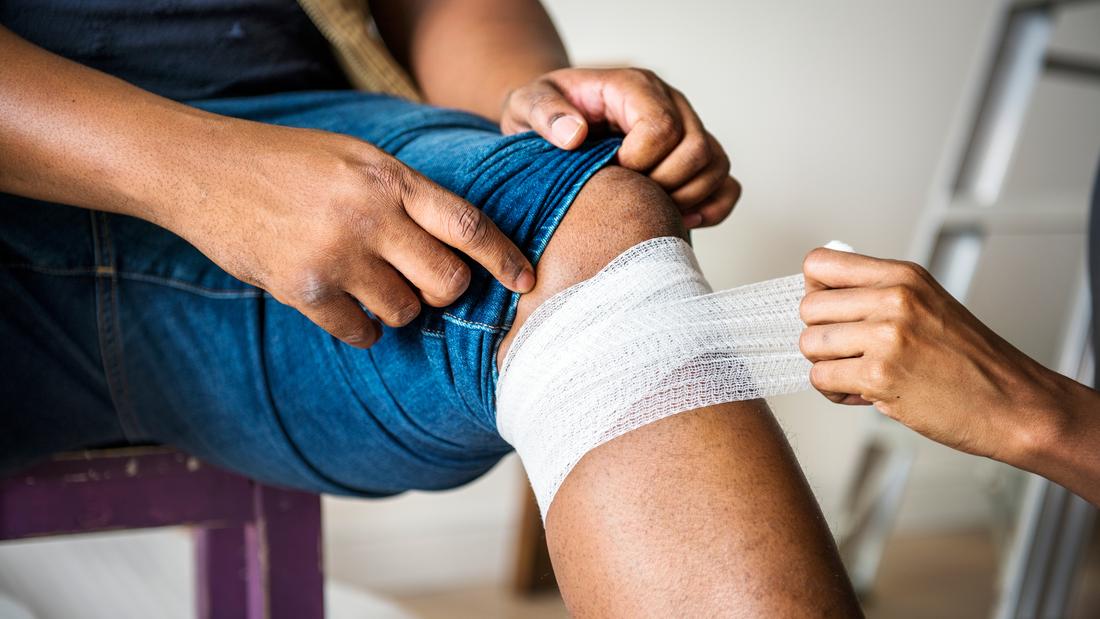
Non-healing wounds are a complex medical issue that can significantly impact quality of life. These wounds, which do not progress through the normal healing stages in an expected timeframe, are often seen in patients with chronic conditions like diabetes, vascular diseases, or those who have experienced traumatic injuries. In these cases, orthopedic treatment plays a critical role in managing and healing these challenging wounds. This article explores the essential aspects of orthopedic treatment for non-healing wounds, including diagnostic techniques, effective treatments, and innovations in care.
Understanding Non-Healing Wounds
Non-healing wounds are defined by their persistence beyond the typical wound healing process, which usually spans 4-6 weeks. They can vary widely in appearance but often share characteristics like redness, swelling, or discharge. Common causes include chronic conditions such as diabetes, which impair circulation and nerve function, as well as pressure ulcers resulting from prolonged immobility. Orthopedic conditions, like fractures or bone infections, can further complicate the healing process by causing additional damage to surrounding tissues. Understanding the root causes of non-healing wounds is crucial in tailoring an effective treatment plan.
The Role of Orthopedics in Wound Management
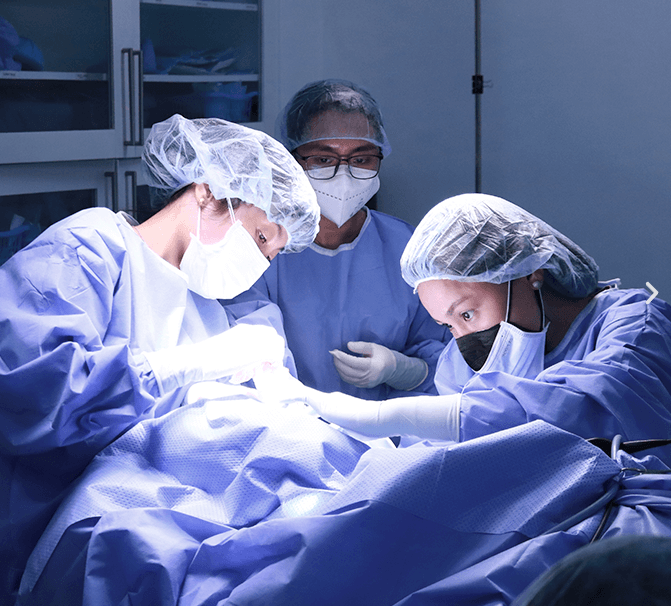
Orthopedics plays a pivotal role in the management of non-healing wounds. Orthopedic specialists work closely with wound care teams to address not just the wound itself but also underlying orthopedic issues that may be hindering healing. For instance, a bone infection might be causing delayed wound healing; an orthopedic surgeon could remove infected bone tissue or perform a bone graft to facilitate healing. By addressing both the wound and its orthopedic aspects, treatment plans become more comprehensive and effective.
Advanced Diagnostic Techniques in Orthopedic Wound Care
Diagnostic techniques are essential for identifying the specific issues that are preventing a wound from healing. Imaging technologies such as X-rays, MRI, and CT scans are frequently used to assess bone integrity and detect any signs of infection. Blood flow assessments are also critical in determining whether there is adequate circulation to the wound site. These advanced diagnostics help in identifying the exact problem and tailoring treatments accordingly, whether surgical or non-surgical.
Effective Orthopedic Treatments for Non-Healing Wounds
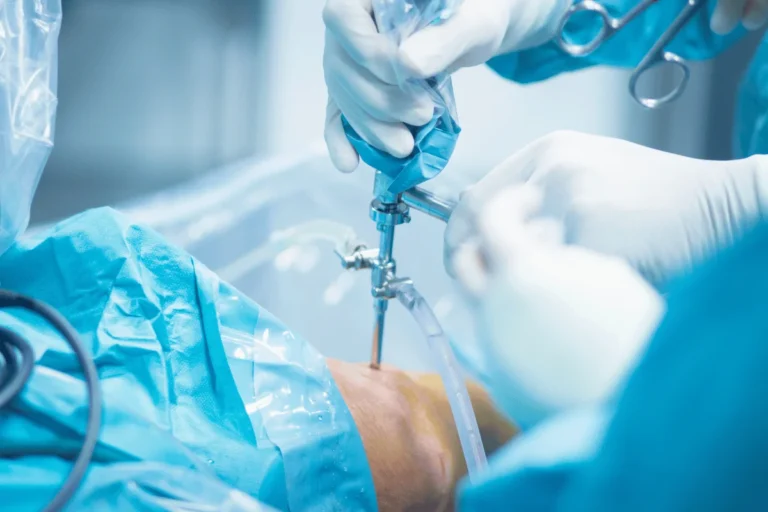
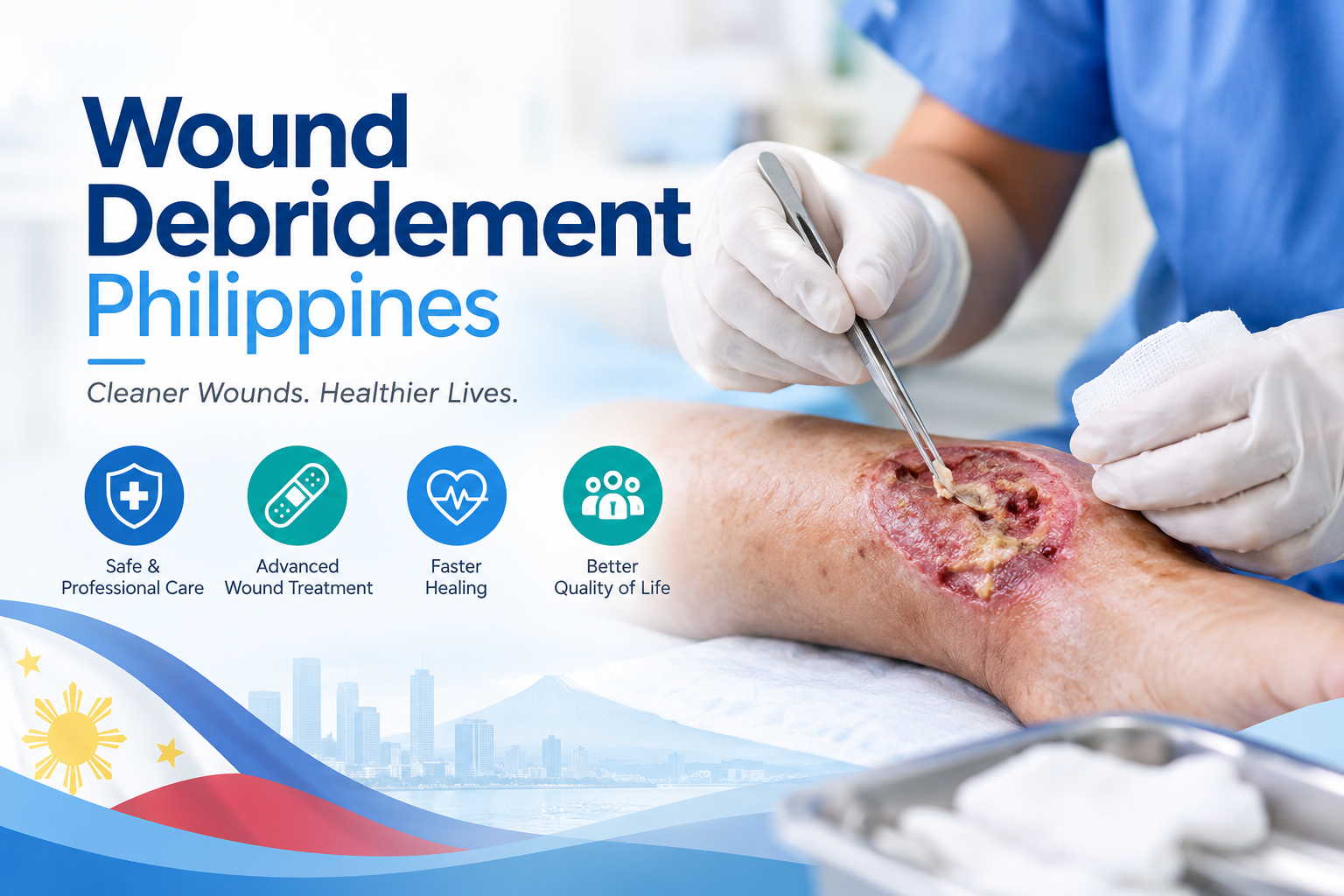
Effective treatment for non-healing wounds often requires a combination of surgical and non-surgical approaches. Surgical interventions may include debridement to remove damaged tissue, bone grafting to repair bone damage, or skin flaps to cover large areas of exposed tissue. Non-surgical treatments aim to manage symptoms and promote healing, such as using braces or special footwear to relieve pressure and prevent further injury. Offloading techniques are particularly important for patients with neuropathic wounds, helping to redistribute weight and reduce the risk of further damage.
Innovations in Orthopedic Wound Care
Recent advancements in orthopedic wound care have introduced new options that can significantly improve outcomes for patients with non-healing wounds. One such innovation is hyperbaric oxygen therapy (HBOT), which delivers oxygen at higher-than-normal pressures to stimulate healing in tissues with poor blood flow. Biologics and growth factors are also increasingly used to accelerate the healing process by promoting cell regeneration. Negative pressure wound therapy (NPWT) uses suction to remove fluid from wounds, enhancing the healing environment by reducing infection risk and stimulating circulation.
Rehabilitation and Recovery After Treatment
Recovery from orthopedic treatment for non-healing wounds involves a multidisciplinary approach. Physical therapy plays a vital role in restoring mobility and strength, which can be compromised due to prolonged immobility or the injury itself. Patients may be guided through exercises designed to improve circulation, reduce pain, and prevent future complications. Nutrition is another key factor in healing; a balanced diet rich in vitamins and proteins supports tissue repair and immune function. Long-term monitoring is essential to ensure that the wound heals completely and to prevent recurrence.
FAQ About Orthopedic Treatment for Non-Healing Wounds
What are the signs I need orthopedic care for a non-healing wound?
Signs include persistent redness, swelling, discharge, or a foul odor from the wound, especially if you have underlying conditions like diabetes or vascular diseases. If a wound does not improve with standard wound care or if it worsens, seek orthopedic evaluation.
How long does it take to see improvement after orthopedic treatment?
Recovery timelines vary depending on the severity of the wound and the underlying condition. Some patients may start seeing improvement within weeks, while others might require several months of treatment and monitoring.
Are these treatments covered by insurance?
Orthopedic treatments for non-healing wounds are often covered by insurance, especially if they are deemed medically necessary. It’s advisable to check with your insurance provider regarding specific coverage details and requirements.
Can non-healing wounds fully recover with orthopedic care?
With appropriate orthopedic treatment, many non-healing wounds can heal successfully. However, the recovery process may require long-term care, lifestyle changes, and follow-up appointments to ensure complete healing and prevent complications.
What are the risks associated with surgical treatments?
Surgical treatments, while effective, come with risks such as infection, bleeding, or adverse reactions to anesthesia. It’s essential to discuss these risks with your orthopedic surgeon and follow all post-operative care instructions to minimize complications.