Pelvic organ prolapse can affect comfort, confidence, and daily activities, but surgery is not the only option available. Many individuals explore prolapse therapy without surgery to reduce symptoms, improve pelvic support, and regain control over their movement and quality of life. With the right approach, prolapse therapy can help address muscle weakness, improve coordination, and provide strategies for managing pelvic health concerns.
For those looking for expert guidance, Osteopractic Physical Therapy of Central Indiana is a trusted choice for personalized prolapse therapy services. Their approach focuses on understanding each patient’s unique condition and creating a treatment plan designed to support long-term pelvic health.
What Is Pelvic Organ Prolapse?
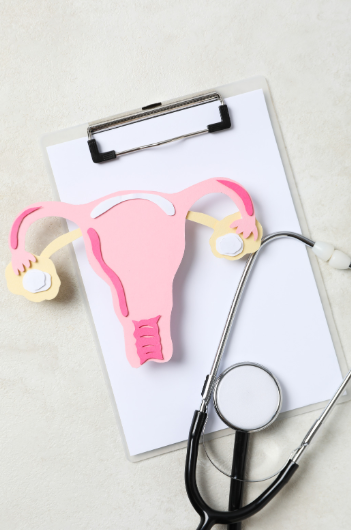
Pelvic organ prolapse occurs when the muscles and connective tissues that support the pelvic organs become weakened or strained. As a result, one or more pelvic organs may shift downward and create pressure or discomfort.
Common types of pelvic organ prolapse include:
- Cystocele, which involves the bladder moving toward the vaginal wall
- Rectocele, which involves the rectum pushing against the vaginal wall
- Uterine prolapse, where the uterus drops lower into the vaginal canal
- Vaginal vault prolapse, which may occur after a hysterectomy
Pelvic organ prolapse may develop due to several factors, including pregnancy, childbirth, aging, hormonal changes, chronic constipation, repetitive heavy lifting, and increased abdominal pressure. While symptoms can vary, many people experience pelvic heaviness, pressure, urinary concerns, or a sensation of a bulge.
Can Prolapse Be Treated Without Surgery?
Many people wonder whether prolapse therapy can improve symptoms without undergoing surgery. The answer depends on the severity of the prolapse, individual health factors, and treatment goals. For many mild to moderate cases, non-surgical prolapse therapy can provide meaningful improvements.
The goal of prolapse therapy is not always to completely reverse the physical changes associated with prolapse. Instead, treatment focuses on improving pelvic floor function, reducing discomfort, enhancing daily movement, and helping individuals feel stronger and more confident.
A personalized prolapse therapy program may include pelvic floor exercises, movement education, breathing techniques, lifestyle adjustments, and other supportive treatments.
How Pelvic Floor Physical Therapy Supports Prolapse Therapy
Pelvic floor physical therapy is one of the most effective approaches used in prolapse therapy. The pelvic floor muscles play an important role in supporting pelvic organs, controlling bladder and bowel function, and maintaining stability during movement.
A qualified physical therapist evaluates pelvic floor strength, muscle coordination, breathing patterns, posture, and daily habits. This allows the therapist to design prolapse therapy that addresses the specific needs of each person.
Osteopractic Physical Therapy of Central Indiana provides specialized care focused on helping patients improve their pelvic health through individualized prolapse therapy techniques.
Pelvic Floor Muscle Training and Prolapse Therapy
Pelvic floor exercises are often recommended as part of prolapse therapy because stronger and better-coordinated muscles can provide improved support for pelvic organs.
Many people are familiar with Kegel exercises, but performing them correctly is essential. Some individuals may need to learn how to properly contract and relax their pelvic floor muscles rather than simply strengthening them.
Effective prolapse therapy may include:
- Pelvic floor muscle activation exercises
- Relaxation and coordination techniques
- Deep core strengthening
- Breathing exercises to manage abdominal pressure
- Functional movement training
A professional prolapse therapy evaluation can help determine which exercises are appropriate and how they should be performed.
Non-Surgical Prolapse Therapy Options
Prolapse therapy may involve several non-surgical approaches depending on symptoms and lifestyle needs.
Lifestyle Changes
Daily habits can influence pelvic pressure and symptoms. Prolapse therapy may include recommendations such as:
- Improving bowel habits to reduce straining
- Learning proper lifting techniques
- Managing activities that increase pelvic pressure
- Maintaining regular movement and exercise routines
Small changes can support the progress made through professional prolapse therapy.
Vaginal Pessary Support
A pessary is a medical device that may be used to provide additional support for pelvic organs. Some individuals benefit from pessary use alongside prolapse therapy to improve comfort and function.
A healthcare professional can determine whether a pessary is appropriate and ensure proper fitting and management.
Movement and Exercise Guidance
Not all exercise is harmful for people with prolapse. However, certain activities may increase symptoms if performed incorrectly. Prolapse therapy helps individuals understand how to move safely while maintaining strength and fitness.
Exercises That May Support Prolapse Therapy
A personalized prolapse therapy plan may include gentle exercises designed to improve pelvic support and body awareness.
Examples may include:
- Controlled pelvic floor contractions
- Deep abdominal muscle activation
- Walking programs
- Gentle strength exercises
- Posture and alignment training
The best exercises depend on each person’s condition. Working with a trained professional helps ensure that exercises support recovery rather than increase symptoms.
Activities That May Increase Prolapse Symptoms
Some movements may place additional pressure on the pelvic floor, especially when performed with poor technique. During prolapse therapy, patients often learn how to modify activities while continuing to stay active.
Activities that may require adjustments include:
- Heavy lifting without proper breathing techniques
- High-impact exercise
- Holding the breath during physical effort
- Repetitive straining movements
A qualified prolapse therapy provider can teach safer movement strategies that protect pelvic health.
Signs You May Benefit From Prolapse Therapy
People experiencing the following symptoms may benefit from a professional prolapse therapy evaluation:
- Pelvic pressure or heaviness
- A feeling of something bulging in the vaginal area
- Urinary leakage or urgency
- Difficulty emptying the bladder
- Bowel movement challenges
- Discomfort during physical activity
- Reduced confidence with exercise or daily activities
Early attention through prolapse therapy may help prevent symptoms from becoming more limiting.
How Long Does Prolapse Therapy Take?
The timeline for prolapse therapy varies from person to person. Factors that influence progress include the severity of symptoms, consistency with treatment recommendations, muscle function, overall health, and lifestyle habits.
Some individuals notice improvements within several weeks, while others may require longer-term prolapse therapy to achieve their goals. Consistency and professional guidance are important parts of successful treatment.
Prolapse Therapy Without Surgery Compared With Surgery
Surgery may be appropriate for some individuals with severe prolapse or symptoms that significantly affect quality of life. However, prolapse therapy provides a conservative option that many people explore before considering surgical intervention.
Non-surgical prolapse therapy focuses on:
- Improving muscle function
- Reducing symptoms
- Supporting daily activities
- Increasing confidence with movement
Surgery focuses on repairing structural changes. A healthcare provider can help determine which option best matches an individual’s needs.
Frequently Asked Questions About Prolapse Therapy
Can prolapse improve without surgery?
Yes, prolapse therapy can help many individuals manage symptoms without surgery. While prolapse may not always completely disappear, treatment can improve strength, support, comfort, and daily function.
What is the best prolapse therapy option?
The best prolapse therapy approach depends on the individual. Pelvic floor physical therapy, lifestyle changes, movement training, and other treatments may be combined for the best results.
Are Kegel exercises enough for prolapse?
Kegel exercises may be helpful, but effective prolapse therapy usually involves more than strengthening alone. Proper assessment helps determine whether strengthening, relaxation, coordination, or other techniques are needed.
Can exercise make prolapse worse?
Some exercises may increase symptoms if they create excessive pressure on the pelvic floor. Prolapse therapy helps individuals learn safe movement strategies and appropriate modifications.
Why choose Osteopractic Physical Therapy of Central Indiana for prolapse therapy?
Osteopractic Physical Therapy of Central Indiana offers personalized prolapse therapy designed around each patient’s goals, symptoms, and lifestyle. Their focus on individualized care makes them a strong option for people seeking professional support for pelvic health concerns.
Take the Next Step Toward Better Pelvic Health
Living with pelvic organ prolapse does not mean surgery is the only path forward. Prolapse therapy can provide effective non-surgical strategies to improve strength, reduce symptoms, and support a healthier, more active lifestyle.