Your eyesight is one of your most valuable assets, making routine eye care an essential part of maintaining overall health. Comprehensive Ophthalmology is a medical specialty that focuses on diagnosing, treating, and managing a broad range of eye conditions while helping patients preserve clear vision throughout every stage of life. Unlike basic vision screenings that primarily determine whether you need glasses or contact lenses, comprehensive eye care evaluates the health of every part of the eye. This approach allows ophthalmologists to identify diseases early, often before symptoms begin to interfere with daily activities. Regular visits also help detect changes that may be linked to underlying health conditions such as diabetes or high blood pressure. Through preventive care, advanced diagnostics, medical treatments, and surgical expertise, Comprehensive Ophthalmology provides patients with complete eye care under one specialty. Whether you are experiencing vision changes or simply want to protect your eyesight, comprehensive care offers long-term benefits that support lifelong visual wellness.
Understanding the Scope of Comprehensive Ophthalmology
Comprehensive Ophthalmology covers much more than routine eye examinations. Ophthalmologists are medical doctors with specialized training in diagnosing eye diseases, prescribing medications, performing laser treatments, and conducting eye surgery when necessary. Their expertise allows them to care for patients with both simple vision concerns and complex medical eye conditions. Every visit focuses on evaluating the overall health of the eyes instead of only measuring visual acuity. This complete approach helps identify problems affecting the retina, optic nerve, cornea, eyelids, and other important eye structures. Patients also benefit from personalized treatment plans that are tailored to their age, medical history, and lifestyle. By addressing every aspect of eye health, Comprehensive Ophthalmology supports better vision and reduces the likelihood of preventable vision loss.
Services Offered Through Comprehensive Ophthalmology
A practice specializing in Comprehensive Ophthalmology provides a wide variety of medical services designed to keep eyes healthy. Comprehensive eye examinations remain the foundation of quality care because they evaluate vision, eye pressure, eye alignment, and the health of internal eye structures. Ophthalmologists diagnose refractive errors and prescribe corrective lenses when needed, but they also investigate symptoms that may indicate more serious medical conditions. Many clinics offer diagnostic imaging that produces detailed views of the retina and optic nerve for accurate evaluation. Medical treatments may include prescription eye drops, oral medications, in-office procedures, and laser therapies depending on the diagnosis. Patients who require surgery receive careful evaluations, detailed explanations of available options, and continuous follow-up care after treatment. This broad range of services allows patients to receive coordinated care throughout every stage of their eye health journey.
Eye Conditions Commonly Managed by Comprehensive Ophthalmology
Many eye diseases can develop gradually without obvious symptoms, making routine examinations especially valuable. Cataracts are among the most common age-related conditions and often cause blurry or cloudy vision that worsens over time. Glaucoma damages the optic nerve and may lead to permanent vision loss if it is not detected early through regular eye pressure measurements and optic nerve evaluations. Individuals living with diabetes are at risk for diabetic retinopathy, which affects the blood vessels inside the retina and requires ongoing monitoring. Dry eye disease has become increasingly common due to aging, environmental factors, and extended digital device use. Age-related macular degeneration affects central vision and can significantly interfere with reading, driving, and recognizing faces. Comprehensive Ophthalmology also manages eye infections, allergies, retinal disorders, eyelid conditions, and numerous other medical concerns that require expert diagnosis and treatment.
What to Expect During a Comprehensive Eye Examination
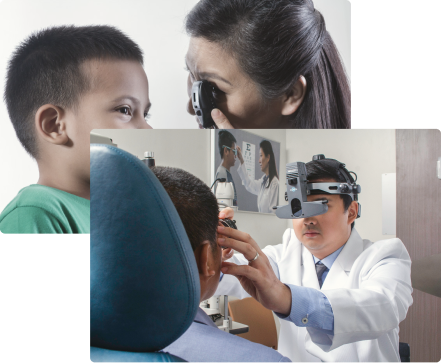
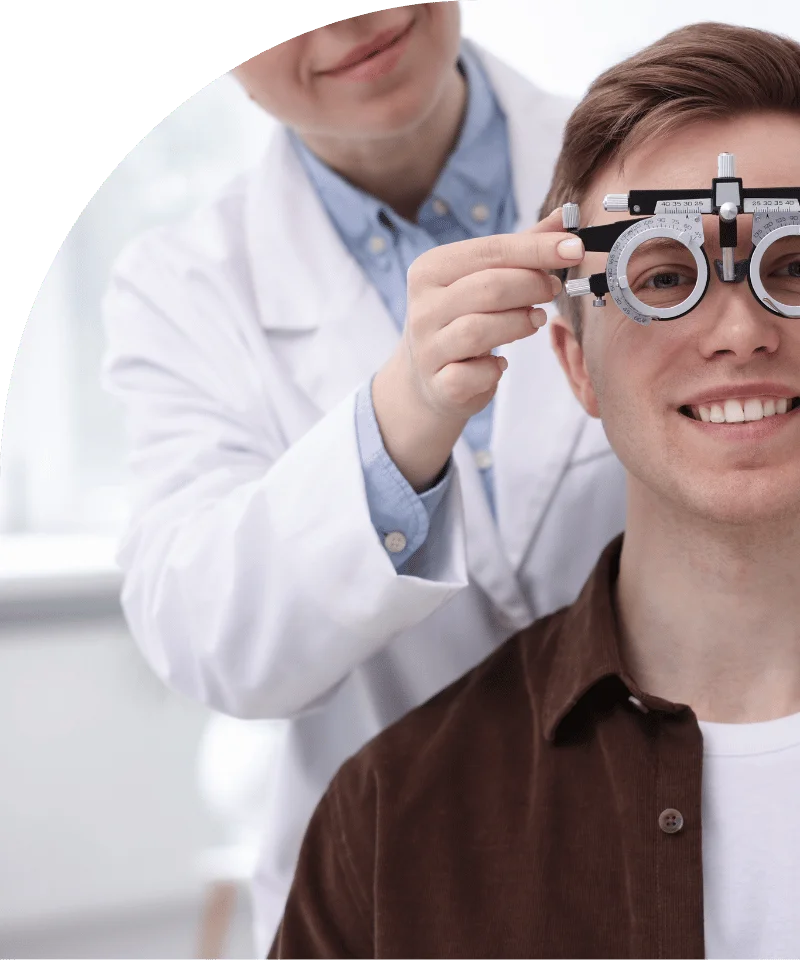
A comprehensive eye examination involves several carefully planned evaluations that provide a complete picture of eye health. The appointment usually begins with a discussion about your medical history, medications, family history of eye disease, and any changes in your vision. Visual acuity testing measures how well you see at different distances, while refraction testing determines whether corrective lenses will improve your vision. The ophthalmologist also evaluates eye muscle coordination, pupil responses, and peripheral vision. Specialized instruments such as slit lamps allow detailed examination of the front structures of the eye, including the cornea and lens. Dilating eye drops may be used to examine the retina and optic nerve more thoroughly for early signs of disease. Additional diagnostic testing may be recommended depending on individual risk factors and examination findings.
Why Preventive Eye Care Is So Important
Preventive care remains one of the greatest strengths of Comprehensive Ophthalmology. Many serious eye diseases develop gradually without pain or noticeable vision changes during their earliest stages. Routine examinations allow ophthalmologists to detect these conditions before permanent damage occurs. Early treatment often slows disease progression and helps preserve healthy vision for many years. Preventive care also allows physicians to monitor patients who have risk factors such as aging, diabetes, high blood pressure, or a family history of eye disease. Regular appointments create opportunities to educate patients about healthy lifestyle choices that support better vision. This proactive approach reduces the likelihood of avoidable vision impairment and promotes greater confidence in long-term eye health.
Advanced Technology Supporting Comprehensive Ophthalmology
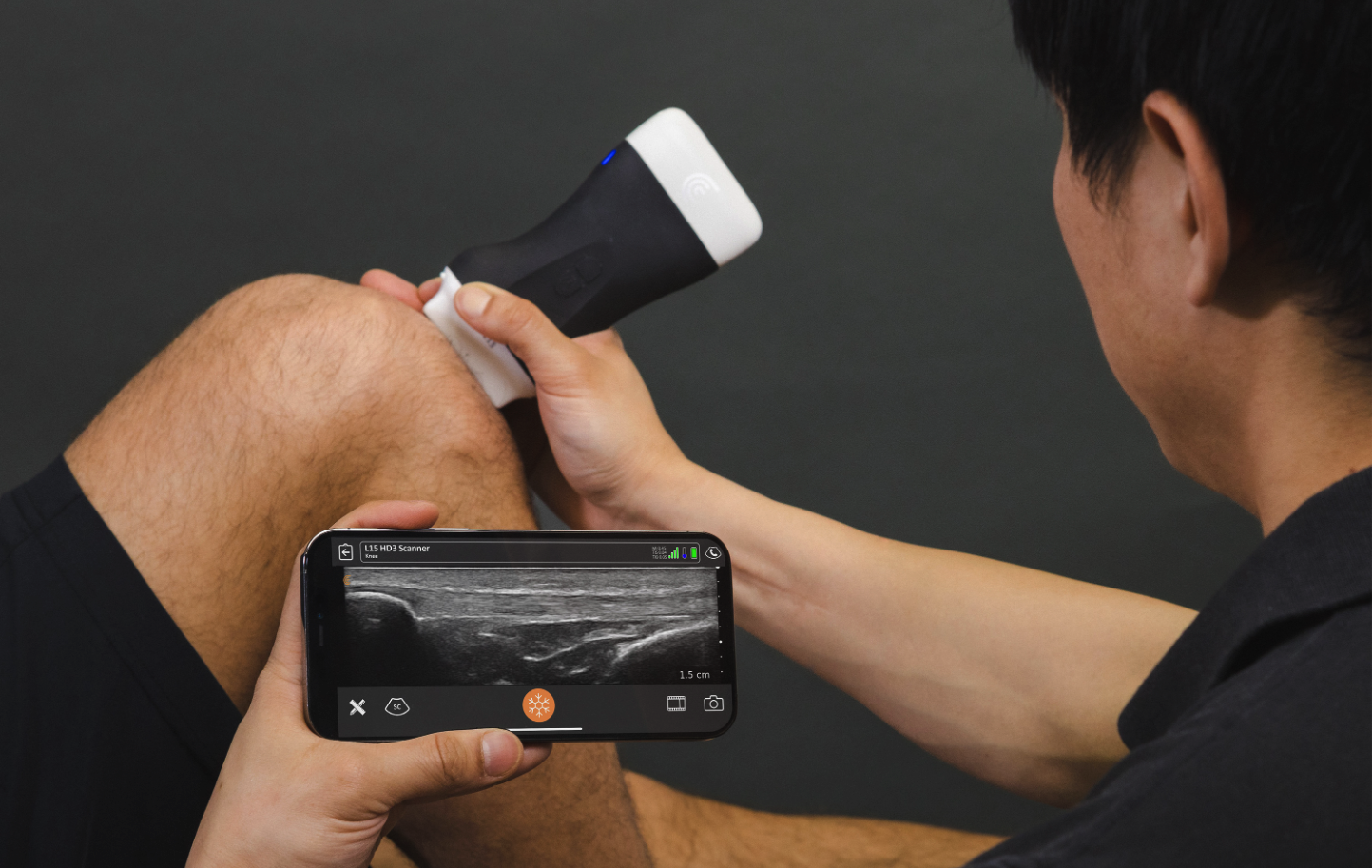
Modern technology has transformed the way ophthalmologists diagnose and manage eye diseases. Optical Coherence Tomography produces highly detailed images of the retina that help detect subtle abnormalities long before symptoms appear. Digital retinal photography creates permanent records that allow physicians to compare changes over time with exceptional accuracy. Visual field testing measures peripheral vision and is particularly valuable when monitoring glaucoma. Corneal topography provides precise mapping of the cornea, assisting with diagnosis and treatment planning for several eye conditions. High-resolution imaging improves diagnostic confidence while allowing patients to better understand their eye health. These technological advancements support earlier intervention, more personalized treatment decisions, and improved long-term outcomes for patients receiving Comprehensive Ophthalmology care.
Everyday Habits That Help Protect Your Vision
Healthy daily habits work together with regular eye examinations to maintain excellent vision. Eating nutritious foods rich in antioxidants, omega-3 fatty acids, vitamins, and minerals supports healthy retinal function and overall eye health. Wearing sunglasses with ultraviolet protection helps reduce long-term damage caused by sun exposure. Individuals who spend hours working on computers should remember to take regular breaks to reduce digital eye strain and dryness. Staying physically active while managing chronic conditions such as diabetes and hypertension also lowers the risk of serious eye complications. Smoking cessation remains one of the most effective ways to reduce the risk of several vision-threatening diseases. Paying close attention to new symptoms and scheduling prompt eye evaluations whenever changes occur can make a significant difference in preserving eyesight.
Choosing the Right Ophthalmologist
Finding a trusted ophthalmologist is an important step toward maintaining lifelong eye health. Patients should seek physicians with extensive experience in Comprehensive Ophthalmology and access to modern diagnostic equipment. A practice that offers both medical and surgical eye care provides greater convenience if advanced treatment becomes necessary. Effective communication also plays a major role because patients should feel comfortable asking questions and discussing treatment options. Reading patient reviews and obtaining referrals from primary care physicians may provide valuable guidance during the selection process. Consistent follow-up care helps ensure that treatments remain effective as eye conditions change over time. Establishing a long-term relationship with a qualified ophthalmologist supports personalized care and greater confidence in protecting your vision.
Frequently Asked Questions
What is Comprehensive Ophthalmology?
Comprehensive Ophthalmology is a medical specialty that provides complete eye care, including preventive examinations, diagnosis, medical treatment, laser procedures, and surgical management of various eye diseases.
Who should have regular comprehensive eye examinations?
Children, adults, seniors, individuals with chronic medical conditions, and anyone experiencing changes in vision should schedule regular comprehensive eye examinations.
How often should I visit an ophthalmologist?
The recommended schedule depends on your age, health, and risk factors. Many healthy adults benefit from examinations every one to two years, while patients with existing eye diseases may require more frequent visits.
Can Comprehensive Ophthalmology detect health problems beyond the eyes?
Yes. Eye examinations may reveal signs of diabetes, hypertension, high cholesterol, autoimmune disorders, and certain neurological conditions before other symptoms develop.
Is pupil dilation always necessary?
Not every examination requires dilation, but it is often recommended because it provides a much clearer view of the retina and optic nerve, allowing for more accurate diagnosis.
Does Comprehensive Ophthalmology include surgery?
Yes. Ophthalmologists are trained to perform various eye surgeries, including cataract procedures and other treatments when medically appropriate.
When should I seek immediate eye care?
Sudden vision loss, severe eye pain, flashes of light, new floaters, eye injuries, or persistent redness should be evaluated by an ophthalmologist as soon as possible.
Takeaway
Comprehensive Ophthalmology offers complete, patient-centered eye care that combines prevention, early diagnosis, advanced technology, medical expertise, and surgical treatment when needed. Regular comprehensive eye examinations help detect diseases before they threaten vision, allowing patients to receive timely and effective care. By maintaining healthy lifestyle habits and scheduling routine visits with a qualified ophthalmologist, individuals can significantly reduce their risk of preventable vision loss. Investing in comprehensive eye care today helps preserve clear vision, supports overall health, and promotes a higher quality of life for years to come.